A fully charged car battery should read 12.6 to 12.8 volts when the engine is off and 13.7 to 14.7 volts when running. Think of it as a health check for your car's heart, and knowing the right numbers keeps you from getting stranded.
If you've ever turned the key and heard nothing but a sad click, you already know how much your daily life depends on a healthy car battery. As someone who has tested hundreds of batteries over the years in my garage, I can tell you that most battery problems are avoidable if you just know what to look for. Understanding what a fully charged car battery should read on a voltmeter is the single most useful piece of knowledge a driver can have. It takes less than a minute to check, and it saves you from the panic of a dead battery on a cold morning.
Why Battery Voltage Matters More Than You Think
Your car battery is not just a box that starts the engine. It is a chemical storage unit that powers everything from your headlights to your infotainment system. When the voltage drops, every component in your vehicle starts to suffer. Over time, low voltage can damage your alternator, starter motor, and sensitive electronics.
I remember one winter when a customer's car refused to start at a gas station. The battery was only two years old, but it read 11.9 volts. We charged it up, and it held fine for a few weeks. Then it died again. That is when I learned that voltage is a story, not just a number. It tells you about the battery's health, the alternator's output, and even whether you have a parasitic draw draining power while you sleep.
What a Fully Charged Car Battery Should Read at Rest
When your car has been sitting for several hours, or overnight, the battery voltage settles into its resting state. This is the most honest reading you will get. No surface charge, no alternator trickery.
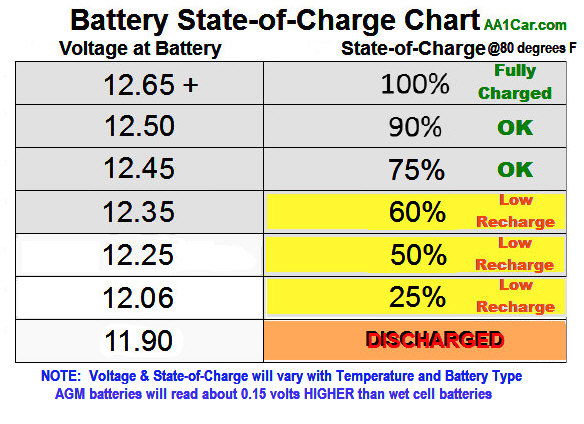
Here is what the numbers mean:
- 12.6 to 12.8 volts: Fully charged and healthy
- 12.4 volts: About 75 percent charged
- 12.2 volts: Around 50 percent charged
- 12.0 volts: Discharged and needs immediate attention
- Below 11.8 volts: Severely discharged, possibly damaged
If your resting voltage is between 12.6 and 12.8 volts, you have a strong battery. If it sits at 12.4 volts after a full charge, your battery may be aging or your alternator may be undercharging. Anything below 12.0 volts means your battery is sulfated, which means lead sulfate crystals have built up and reduced its capacity.
What the Voltage Should Be While the Engine Is Running
Once you start the car, the alternator takes over and begins charging the battery. The voltage reading will climb higher. A healthy charging system should show between 13.7 and 14.7 volts at the battery terminals while the engine is running.
I always tell people to think of it this way: the resting voltage is your battery's report card, and the running voltage is your alternator's report card. If the running voltage is below 13.7 volts, the alternator may not be charging properly. If it is above 15.0 volts, the alternator is overcharging, which will cook your battery and damage your electronics.
Here is a simple way to remember:
- 13.7 to 14.7 volts: Alternator is doing its job
- Below 13.7 volts: Alternator is weak or there is a wiring issue
- Above 15.0 volts: Voltage regulator is bad, replace the alternator
How to Accurately Measure Battery Voltage
You do not need a fancy mechanic's tool to check your battery. A basic digital multimeter from any auto parts store will do the job, and they usually cost less than twenty dollars. I have used the same one for over a decade, and it has never let me down.
Follow these steps for an accurate reading:
- Turn off the engine and all accessories
- Remove the key from the ignition
- Wait at least one hour, ideally overnight, for the surface charge to dissipate
- Set your multimeter to DC voltage, usually the 20-volt setting
- Connect the red lead to the positive terminal
- Connect the black lead to the negative terminal
- Read the display and compare it to the healthy range
The surface charge is a tricky thing. Right after you drive or charge the battery, the voltage will read artificially high, sometimes 13.0 volts or more, even if the battery is weak. That is why waiting is so important. I learned this the hard way when I tested a battery right after a long highway drive and thought it was perfect. A week later, the customer was back with a dead car.

Factors That Affect Battery Voltage Readings
Voltage is not a fixed number. It moves with temperature, age, and usage. Understanding these factors helps you read the numbers correctly.
Temperature plays a big role. Cold weather thickens the battery's internal fluids, which slows the chemical reaction and lowers voltage. That is why batteries seem to die more often in winter. Heat does the opposite. It speeds up the reaction but also speeds up corrosion and water loss inside the battery.
Age is another factor. Most car batteries last between three and five years. As they age, the lead plates inside get coated with sulfate, and the electrolyte weakens. An old battery may show 12.4 volts at rest, but it will drop fast under load.
Load is the third factor. When you turn the key, the starter pulls hundreds of amps from the battery. If the voltage drops below 9.6 volts during cranking, the battery is weak and may need replacement. I have seen batteries that read 12.6 volts at rest but drop to 8.5 volts under load, which means they are on their last legs.
Common Myths About Battery Voltage
There is a lot of bad advice out there about car batteries. Let me clear up a few of the most common myths.
Many people think that a battery showing 12.0 volts is fine because the label says 12 volts. The truth is, a fully charged battery is never exactly 12.0 volts. That number is just a category, like saying a human is 6 feet tall when they are actually 5 feet 11 inches. The real range is higher.
Another myth is that you should always keep your battery fully charged by idling the car. Idling does not charge a battery well because the engine runs at low RPM, which means the alternator spins slowly. A proper drive at road speed for at least 20 minutes does a much better job.
Some drivers also believe that disconnecting the battery will prevent it from dying during long storage. While disconnecting the negative terminal helps, the battery still self-discharges at a rate of about 5 percent per month. A battery tender or trickle charger is the proper way to store a battery for more than a month.
Signs Your Battery Voltage Is Telling You Something
Your car usually gives you warning signs before the battery dies completely. Paying attention to these signs can save you from a breakdown.
Slow engine cranking is the most obvious warning. If the starter sounds sluggish, especially on cold mornings, the battery is probably weak. Dim headlights when the engine is off are another sign. So is a clicking sound when you turn the key.
Another sign is a swollen or bloated battery case. This happens when the battery has been overcharged or exposed to extreme heat. The acid inside starts to gas and warp the plastic.
I once had a customer whose battery light came on while driving. He ignored it for two weeks because the car seemed fine. Then the car died on the highway. The alternator had failed, and the battery was running the car alone until it had nothing left. Always check the battery light immediately.
How to Maintain Proper Battery Voltage
Keeping your battery in the right voltage range is not hard. A few simple habits will extend its life by years.
Drive your car regularly. A battery needs to be exercised. Short trips that last less than 15 minutes do not give the alternator enough time to recharge what the starter used. If you only take short trips, consider using a battery maintainer.
Keep the terminals clean. Corrosion acts like a resistor and blocks the flow of current. A mixture of baking soda and water, plus a wire brush, will clean the terminals in minutes. After cleaning, apply a thin layer of dielectric grease to prevent future corrosion.
Check the electrolyte level if you have a traditional flooded battery. The fluid should cover the lead plates. If it is low, top it off with distilled water, not tap water. Tap water contains minerals that will damage the plates.

How Temperature Changes Battery Voltage
Temperature affects voltage more than most people realize. Here is how to read your battery in different seasons.
In cold weather, a fully charged battery may read 12.4 volts at rest. That is normal. The cold reduces voltage but not necessarily capacity. The real danger is when a weak battery is exposed to cold. It may drop below 10 volts and freeze.
In hot weather, voltage may read 12.8 volts or higher at rest. The heat increases the chemical reaction, but it also increases water loss and shortens its lifespan. Park in the shade when possible and check the water level more often in summer.
If you live in an area where temperatures swing wildly between seasons, test your battery twice a year. Spring and fall are good times, before the extreme weather hits.
The Difference Between Voltage and State of Charge
Many people confuse voltage with state of charge, but they are not the same thing. Voltage is the electrical pressure in the battery. State of charge is the percentage of usable energy stored inside.
A battery can show 12.6 volts at rest and still have a low state of charge if it is sulfated. This happens because the surface charge on the plates gives a false reading. A load test or a conductance test will reveal the true state of charge.
I have tested batteries that looked perfect with a multimeter but failed a load test within seconds. That is why a voltmeter is a good starting point but not the final word. If you want a complete picture, take your battery to an auto parts store for a free load test. Most stores will do this in about five minutes.
How Long Does a Fully Charged Battery Last Without Driving
A fully charged battery will hold its charge for different lengths of time depending on its age, condition, and the electrical drain on the vehicle.
A new, healthy battery can sit for two to three months without significant loss. An older battery may only last a few weeks. Modern cars with computers and sensors draw small amounts of power even when parked, so the battery is never truly at rest.
If you plan to store your car for more than a month, connect a battery tender. These devices monitor the battery and only charge it when needed. They prevent overcharging and keep the battery at a full state of charge indefinitely. I use one on my classic car during the winter, and the battery is always ready to go in spring.
What About Electric Vehicles and Hybrids
The voltage numbers we discussed apply to traditional 12-volt lead-acid batteries, which are used in nearly all gasoline and diesel vehicles. Electric vehicles use lithium-ion battery packs that operate at hundreds of volts. The 12-volt battery in an EV or hybrid still follows the same rules, since it powers the lights, computers, and accessories.
In a hybrid, the 12-volt battery starts the computers and allows the high-voltage system to engage. If the 12-volt battery dies, the hybrid will not start even if the high-voltage pack is fully charged. This surprises many hybrid owners who expect the big battery to do everything.

Choosing the Right Battery for Your Climate
Not all batteries are created equal. Choosing the right one for your climate can make a big difference in voltage consistency and lifespan.
In cold climates, look for a battery with high cold cranking amps, or CCA. This rating measures how much current the battery can deliver at 0 degrees Fahrenheit. A higher CCA rating means stronger starting power in winter.
In hot climates, look for a battery with a high reserve capacity. This measures how long the battery can run essential accessories if the alternator fails. Hot climates also require batteries with stronger internal construction to resist heat damage.
I always recommend checking the group size of your battery. This refers to the physical dimensions and terminal placement. Using the wrong group size can lead to poor fitment and vibration damage, which shortens battery life.
When to Replace Your Battery Based on Voltage
Voltage is a great guide for knowing when to replace your battery. Here are the warning signs that mean it is time for a new one.
If your resting voltage consistently reads below 12.4 volts after a full charge, the battery is losing capacity and should be replaced soon. If it drops below 12.0 volts, replace it immediately. If it drops below 11.8 volts, the battery may be permanently damaged and unable to hold a charge.
Age is also a factor. Even if the voltage looks fine, a battery older than five years is living on borrowed time. I have seen batteries last seven years, but they are rare. Most fail between years three and five.
Another sign is a rotten egg smell from the battery. This means the battery is venting hydrogen sulfide, which happens when it is overcharged or internally shorted. Replace the battery and have the charging system checked.
How to Jump Start a Battery Without Damaging Voltage
Jump starting is a useful skill, but it must be done correctly to avoid damaging the battery or the electrical system.
Connect the positive cable to the positive terminal of the dead battery, then to the positive terminal of the good battery. Connect the negative cable to the negative terminal of the good battery, then to a metal ground on the car with the dead battery. Do not connect the negative cable to the negative terminal of the dead battery. This can cause sparks and ignite hydrogen gas.
Start the working car and let it run for a few minutes. Then try to start the dead car. Once started, remove the cables in reverse order. Drive the car for at least 30 minutes to recharge the battery.
I have jump-started hundreds of cars, and I have made every mistake in the book. The most common mistake is reversing the polarity, which can fry the alternator, the computer, and the battery itself. Always double-check the cables before turning the key.
How to Charge a Battery to the Right Voltage
If your battery is low, you can charge it with a proper battery charger. There are three main types: trickle chargers, standard chargers, and smart chargers.
A trickle charger delivers a slow, steady charge and is best for batteries that are deeply discharged. It can take 24 hours or more to fully charge a battery this way.
A standard charger delivers a faster charge, usually 2 to 10 amps. It is best for occasional use, but it can overcharge the battery if left unattended.
A smart charger monitors the battery and adjusts the charge rate automatically. It is the safest and most efficient option. Once the battery is full, it switches to a maintenance mode.
For best results, charge the battery at a rate of 10 percent of its amp-hour rating. For example, a 50 amp-hour battery should be charged at 5 amps. This slow charge prevents overheating and extends battery life.
Frequently Asked Questions About What a Fully Charged Car Battery Should Read
What voltage is too low for a car battery
Anything below 12.0 volts at rest is considered too low and indicates a discharged or damaged battery. Below 10.5 volts, the battery is considered dead and may not recover.
Is 12.2 volts okay for a car battery
A reading of 12.2 volts at rest means the battery is about 50 percent charged. It will likely still start the car, but it should be charged soon to prevent long-term damage.
Can a car battery show 12 volts and still be bad
Yes, a car battery can show 12 volts and still be bad. Voltage is not the only indicator of battery health. A load test or conductance test will reveal the true condition, especially under heavy demand.
What voltage means a bad alternator
If the running voltage is consistently below 13.5 volts or above 15.0 volts, the alternator is likely failing. The alternator should keep the battery between 13.7 and 14.7 volts when the engine is running.
How often should I check my car battery voltage
You should check your car battery voltage at least twice a year, ideally in spring and fall. You should also check it whenever you notice signs of weakness, such as slow cranking or dim lights.
Final Thoughts on Battery Voltage
Knowing what a fully charged car battery should read is one of the simplest and most powerful pieces of knowledge you can have as a driver. It turns you from someone who is at the mercy of their car into someone who understands the heart of their vehicle. A quick voltage check takes less than a minute and can save you hundreds of dollars in towing fees, mechanic visits, and missed appointments.
Over the years, I have seen how a little knowledge transforms people's relationship with their cars. They stop fearing the unknown and start understanding the signs. They go from reactive to proactive. That is the real power of knowing the numbers.
Your battery is the quiet hero of your car. Treat it well, check it often, and it will keep you moving for years to come. If this guide helped you understand your battery better, share it with a friend who has ever been stranded with a dead car, and leave a comment below with your own battery story or any questions you still have.