Image source: Pexels / Erik Mclean (Pexels License)
Dash Cam Loop Recording: Your Continuous Driving Companion
If you're driving today, chances are you've thought about having a dash cam. But what happens when that tiny memory card gets full? Loop recording on a dash cam automatically overwrites your oldest video files with new ones, ensuring it’s always ready to capture your drive without you lifting a finger. This feature is a lifesaver for drivers who need constant, uninterrupted recording.
You might wonder if this means losing important footage, but that’s not how it’s designed. Manufacturer specifications confirm that most modern dash cams with loop recording integrate smart systems, like G-sensors, to protect crucial files. As of 2026, the standard for reliable dash cams heavily features this technology, making it easier than ever to keep your drive safely documented.
What is Dash Cam Loop Recording, Anyway?
Loop recording on your dash cam is essentially a system that manages your storage automatically. Instead of stopping when the memory card is full, the dash cam will begin overwriting the oldest recording segments with new ones. It’s designed to ensure you always have continuous, up-to-date footage of your drive, eliminating the need for manual file deletion. This is particularly useful for drivers who might be on long journeys or in busy areas where incidents, however minor, can happen without warning and you might otherwise miss crucial moments.
You'll typically set the duration of these "loops", common options include 1, 3, or 5-minute segments. Whichever you choose, the camera will record for that duration, then start a new file, overlaying the oldest one. This ensures that even if your card has gigabytes of storage, it's always being efficiently managed for current events rather than getting clogged with outdated recordings.
How Loop Recording Actually Works
The magic behind loop recording is a smart, automated process that keeps your dash cam rolling. It’s a fundamental feature that transforms a dash cam from a recording device that needs constant attention into a set-it-and-forget-it safety tool. Most systems operate on a simple principle: when storage space runs low, older data is cleared to make way for new data.
The Automatic Overwrite Process
Here's the core of it: your dash cam constantly records video, breaking it into shorter files based on the loop duration you've selected (like 1, 3, or 5 minutes). When the memory card reaches its capacity, the dash cam identifies the oldest file and deletes it to make room for the newest recording. This cycle repeats continuously, ensuring that the dash cam is always recording the most recent events. It’s like a conveyor belt for your video history, always dropping off the old to make space for the new.
The Crucial Role of the G-Sensor (Accident Detection)
Now, you might be thinking, "What if something important happens? Will that file just get overwritten?" That's precisely where the G-sensor comes in.
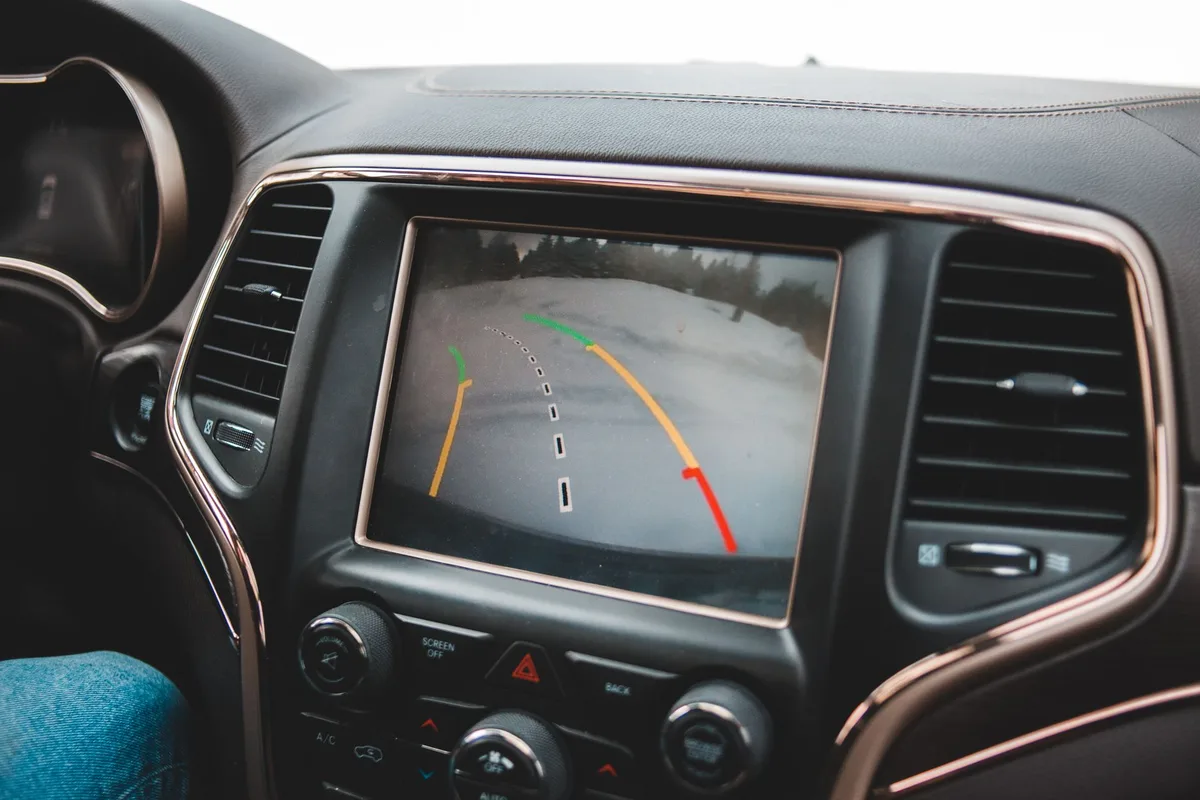
Image source: Pexels / Erik Mclean (Pexels License)
This built-in sensor detects sudden impacts, changes in speed, or vibrations, think of a fender-bender, a hard brake, or even hitting a significant pothole. When the G-sensor registers such an event, it signals the dash cam to lock the current video file. This locked file is then protected and will not be overwritten by the loop recording function. It’s the dash cam’s way of recognizing a potentially critical moment and preserving it for you.
The sensitivity of the G-sensor is often adjustable, allowing you to fine-tune it to your driving conditions and avoid accidental locks from everyday bumps.
Manually Protecting Important Footage
Beyond automatic accident detection, most dash cams offer a manual way to protect footage. If you see something you want to save, a unique event, a beautiful landscape, or a strange occurrence, you can usually press a button on the dash cam itself to manually lock the current recording.
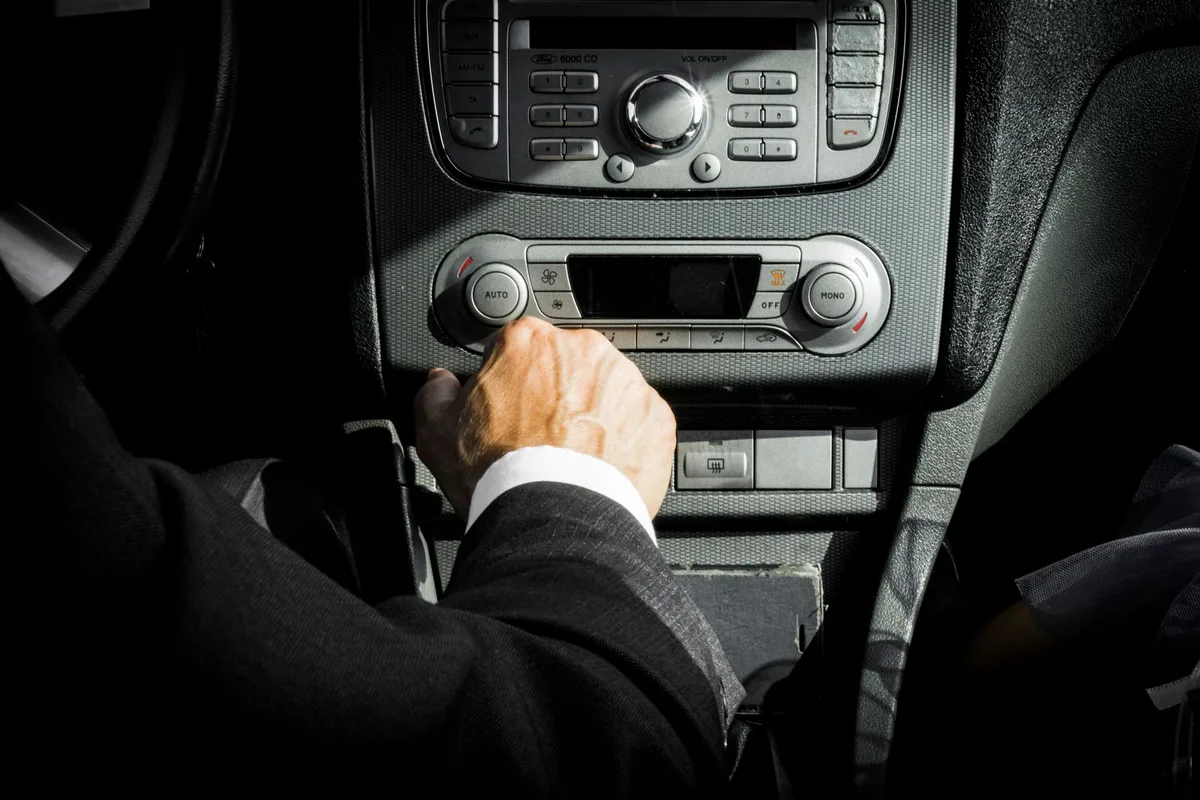
Image source: Pexels / Mateusz Dach (Pexels License)
This action immediately saves the current video file and prevents it from being overwritten. This gives you immediate control over what’s important, even if it doesn't trigger the G-sensor. It's a simple yet powerful way to ensure critical moments are never lost, adding another layer of security to your recording system.
Loop Recording Durations: Choosing Your Clip Length
When setting up your dash cam, you'll often encounter an option for "Loop Recording Duration" or something similar. This setting dictates how long each individual video file will be before the dash cam starts a new one. You'll commonly see choices like:
- 1 Minute: Short, manageable clips. Great if you like to quickly review specific events.
- 3 Minutes: A good balance between detail and file size.
- 5 Minutes: Provides a more continuous recording segment.
- 10 Minutes: For longer segments, if your card is very large or you prefer longer continuous records.
There's no single "best" setting; it often comes down to personal preference and how you typically review your footage. Shorter clips can be easier to manage and upload if you're sharing them, while longer clips might offer more sequential context for an event. Regardless of your choice, the loop recording function will still overwrite the oldest file once the card fills up. Think of it as choosing the size of the puzzle pieces, they all eventually get replaced on the table.
Key Benefits: Why Loop Recording is a Must-Have
Loop recording isn't just a technical feature; it's a significant quality-of-life improvement for dash cam users. It addresses one of the most common frustrations people have with these devices: managing storage. By taking over this task, loop recording offers several clear advantages that make your dash cam genuinely useful day in and day out.
- Effortless Storage Management: The most obvious benefit is that you don't have to think about your memory card filling up. The dash cam handles it automatically, so you can focus on driving.
- Constant Readiness: Your dash cam is always prepared to record. No matter how long your drive, the most recent footage is always being captured, ensuring you're protected for unexpected events.
- Peace of Mind: Knowing that your dash cam is continuously recording and protecting important incidents provides a significant sense of security and peace of mind on the road.
- Reduced Hassle: Forget constant manual deletions. Loop recording simplifies the entire ownership experience, making your dash cam a much more user-friendly device.
Potential Downsides and What to Watch For
While loop recording is incredibly beneficial, it's not without its nuances. Understanding these potential downsides helps you use the feature effectively and avoid common pitfalls. These aren't deal-breakers, but they are points to be aware of when relying on this technology.
- Accidental Overwriting Risk: Although G-sensors and manual locks are designed to prevent this, there's a small chance that an event you intended to save might be overwritten if it's not locked in time. This is more likely with very sensitive G-sensors that trigger on minor road vibrations, or if you're slow to manually lock a file.
- Fragmented Footage: Because videos are recorded in segments, you might need to piece together events from multiple files if they span across loop points. This is usually a minor inconvenience, as most dash cam software can help with this.
- Memory Card Wear: Continuous recording and overwriting can, over time, put more wear on a memory card than a card that's used intermittently. That's why using a high-quality, dash cam-specific memory card rated for high endurance is recommended. These are engineered for better durability.
- Not a Backup Solution: Loop recording means older footage is routinely deleted. It is NOT a long-term storage solution. For evidence or long-term archiving, you'll need to manually download and save important clips to a computer or cloud storage.
Who Needs Dash Cam Loop Recording?
Loop recording is a core feature for most dash cam users today, but it’s particularly essential for certain driving scenarios and user types. If you rely on your dash cam for documentation, safety, or peace of mind, understanding where this feature truly shines is key. It’s not just a setting; it's what makes a dash cam a practical, low-maintenance tool for daily life. Its automatic nature means it can work for anyone, but some will benefit more directly.
Everyday Drivers
For the vast majority of drivers, loop recording is the default setting that should simply be enabled and forgotten. You're commuting, running errands, or driving around town, moments that might seem uneventful until something unexpected happens. Without loop recording, your dash cam might stop recording after a few hours because its memory card is full. This could mean missing a hit-and-run in a parking lot, a tricky merge situation, or even just a funny roadside encounter.
Aggregated user feedback consistently reports that the hands-off nature of loop recording is what makes dash cams truly valuable for daily use.
Long-Haul Travelers
If you spend significant time on the road, whether for work or pleasure, loop recording is non-negotiable. Long trips mean many hours of driving, accumulating a lot of footage. Manually managing storage on a cross-country journey or a regular trucking route would be incredibly inconvenient and prone to error. Manufacturer specifications for dash cams intended for professional use often highlight long-term recording capabilities, which inherently rely on efficient loop recording.
This ensures that any event during a long journey, from scenic views to potential hazards, is captured without interruption.
Common Mistakes and How to Avoid Them
Even with a feature as straightforward as loop recording, users can run into issues. Most of these stem from not understanding how it works or from using the wrong type of hardware. Avoiding these common slip-ups ensures your dash cam performs as expected when you need it most. For instance, using a standard SD card instead of one rated for dash cam use is a frequent oversight.
- Using the Wrong Memory Card: Not all memory cards are created equal. Standard SD cards are designed for occasional writing and reading, not for the continuous write-and-overwrite cycle of a dash cam. Using one can lead to premature failure and corrupted files. Always opt for cards specifically rated for dash cams or high-endurance applications, which are built to withstand constant use.
- Forgetting to Lock Crucial Files: While the G-sensor is smart, it's not infallible. If you witness a significant event or are involved in an incident, remember to manually lock the current recording. Don't rely solely on the automatic detection, especially if road conditions are bumpy and might trigger false positives or if the event is less of a jolt and more of a gradual issue.
- Not Formatting the Card Periodically: Even with loop recording, it's good practice to format your memory card every few months (check your dash cam manual for recommendations). This helps clear out any residual data fragments and can prevent minor glitches or errors from developing, ensuring optimal performance.
Beyond Loop Recording: Other Dash Cam Features
While loop recording is essential for continuous capture, it's just one piece of the dash cam puzzle. Modern dash cams offer a suite of features designed to enhance safety, convenience, and the quality of your recordings. Understanding these complementary features helps you get the most out of your device. For example, features like GPS logging and parking mode add significant value beyond basic video capture.
- GPS Logging: Many dash cams include GPS receivers that embed location data into your video files. This can be invaluable for verifying where an incident occurred or for recalling specific routes taken.
- Parking Mode: This feature allows the dash cam to monitor your vehicle even when it’s parked and the engine is off. It typically uses motion detection or G-sensor triggers to record any bumps or activity around your car, providing a digital witness while you're away.
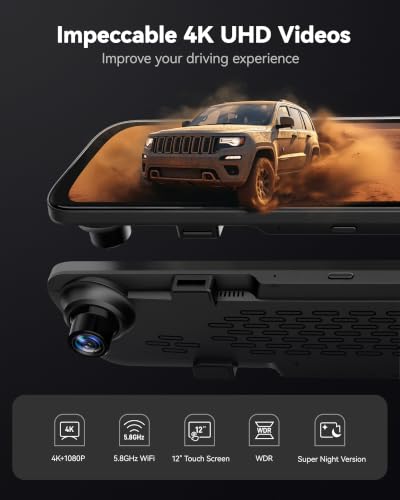
- High-Resolution and Night Vision: Look for dash cams that record in HD (1080p at a minimum) or even 4K for superior detail. Features like Wide Dynamic Range (WDR) and advanced low-light sensors significantly improve video quality in challenging lighting conditions, especially at night.
- Wi-Fi Connectivity: Many newer models offer Wi-Fi, allowing you to connect to your dash cam via a smartphone app. This makes it easy to view footage, download files, and adjust settings without needing to remove the memory card.