Ever wondered what’s happening behind the scenes when a big motor roars to life? It’s not just a simple on/off switch. That’s where a motor starter comes in. Think of it as the intelligent gatekeeper and protector for electric motors, especially the bigger ones.
You see, electric motors, particularly industrial ones, draw a huge surge of electricity the instant they start up, way more than they need to run normally. This "inrush current" can be anywhere from 5 to 8 times their usual operating current. Without anything to manage this, it's like trying to shove a giant boulder through a tiny doorway, it causes a lot of stress and potential damage.
The Problem: Why Motors Need More Than Just a Switch
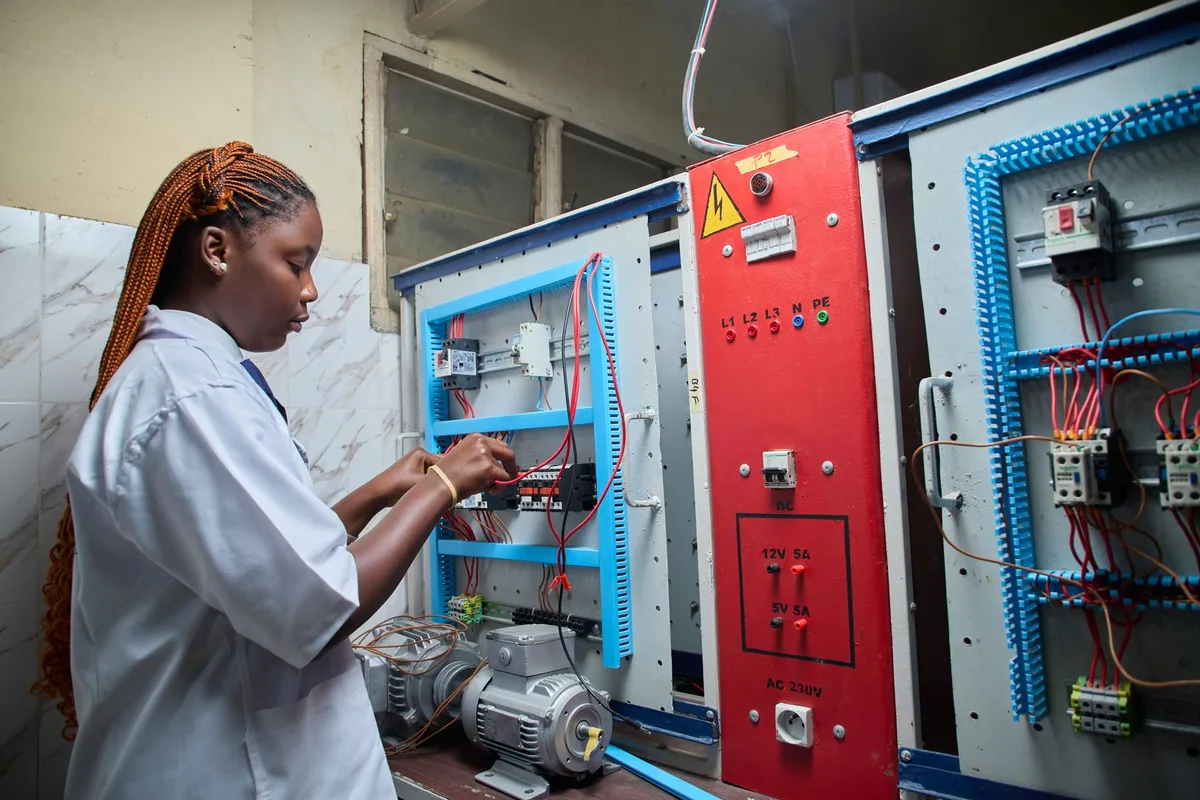
The fundamental issue is that electric motors require a significantly higher current to start rotating than they do to maintain their speed. This isn't a minor difference; it's a substantial electrical surge that can cause problems if not managed correctly.
Inrush Current: The Big Hurdle
This massive surge, known as inrush current, can happen for several reasons. When an AC induction motor starts, its rotor isn't yet spinning, so there's no back electromotive force (EMF) generated to oppose the applied voltage. This lack of opposition allows a very high current to flow. Manufacturer specifications often detail this, with values commonly reaching 5 to 8 times the motor's full load amperage (FLA).
As of 2026, these characteristics remain consistent across standard induction motor designs. Without specific control, this surge can overwhelm electrical circuits, reduce component lifespan, and even trip circuit breakers unnecessarily.
Quick Insight: The Two Main Jobs of a Motor Starter
At its core, a motor starter is doing two really important things for your electric motor. First, it provides a safe and controlled way to get the motor up to speed without damaging itself or your electrical system. Second, once the motor is running, it acts as a vigilant protector, ready to shut things down if it detects abnormal conditions like overheating or an unexpected jam.
How Motor Starters Work: The Visuals Matter
Understanding exactly how a motor starter functions is much clearer when you can visualize its internal workings. While we can describe the process, imagining the physical movement of components is key. The starter essentially acts as a robust, electrically controlled switch that also incorporates protective elements. This coordinated action is what allows a motor to start smoothly and operate safely.
Key Components Inside a Motor Starter
A typical motor starter isn't just a single switch; it's made up of several interdependent parts. Each plays a distinct role in controlling and protecting the motor.
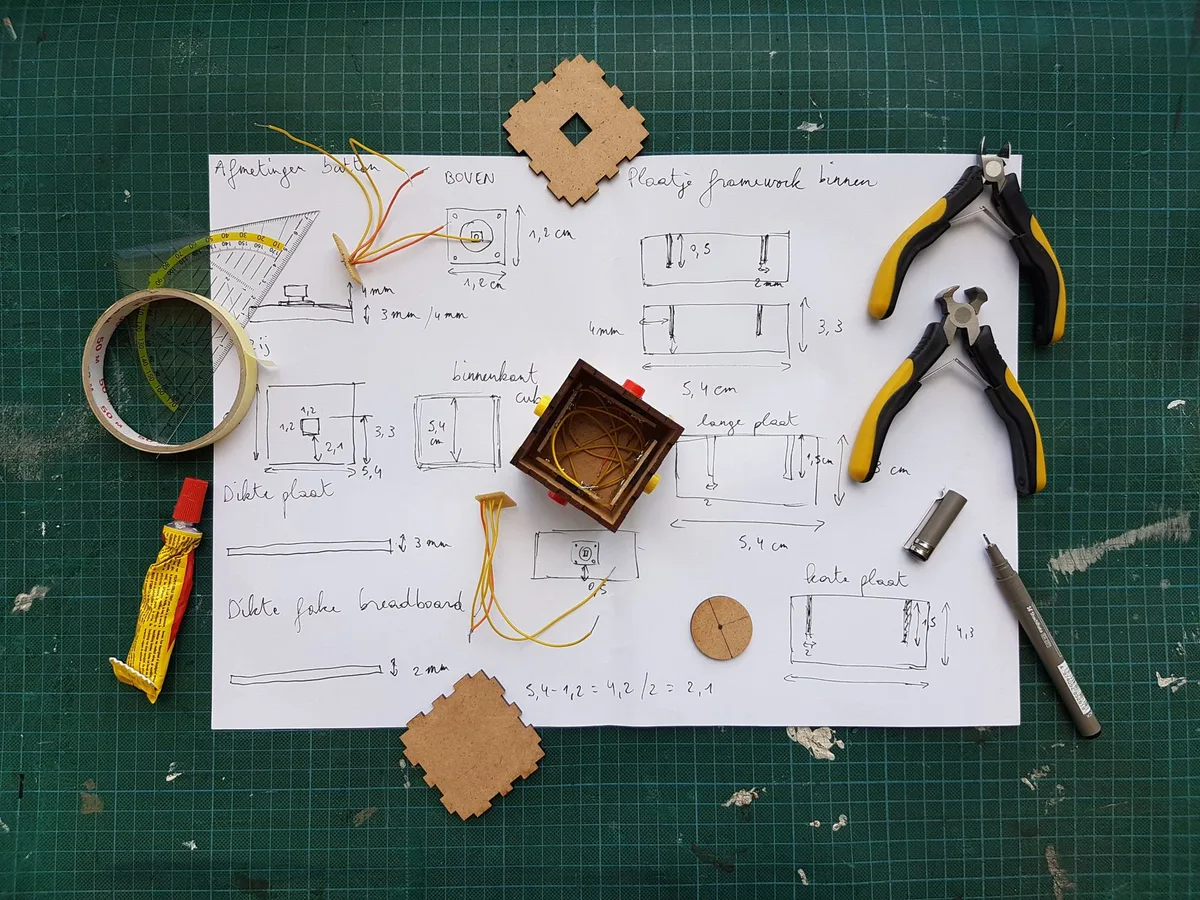
- Contactor: This is the main heavy-duty switch. It’s an electromagnetically operated device that connects or disconnects the motor from the power source.
- Overload Relay: This component monitors the motor's current draw and protects it from overheating due to sustained overcurrent.
- Push Buttons: These are your manual interface for starting and stopping the motor.
These components work in concert to manage the motor's power supply and safeguard it from electrical faults.
The Startup Sequence: Step-by-Step
Getting an electric motor going with a starter involves a sequence of events that’s initiated by your command. When you press the "start" button, a low-voltage signal is sent to the starter's control circuit. This signal energizes a coil within the contactor. The energized coil creates a magnetic field that pulls in the main power contacts, establishing a direct connection between the power supply and the motor.
At this point, the motor begins to spin, drawing its high initial inrush current. Once the motor reaches operational speed, the current demand drops to its normal running level, and the overload relay takes over monitoring duties. To stop the motor, you press the "stop" button, which de-energizes the contactor coil, opening the main power contacts and cutting off power.
Benefits: Why Use a Motor Starter?
Using a motor starter offers several significant advantages that go beyond simply turning a motor on and off. These benefits directly contribute to the longevity and reliability of both the motor and the electrical system it's connected to.
Protecting Your Motor and System
The primary benefit is comprehensive protection. Starters safeguard motors from damage caused by overcurrent conditions, which are common during startup or if the motor encounters an obstacle. By managing the high inrush current, they prevent premature wear on windings and reduce the risk of electrical fires. Furthermore, they protect the entire electrical distribution system from the disruptive effects of large current surges.
For instance, standards like the National Electrical Code (NEC) mandate specific protective measures for motor circuits.
Drawbacks & Considerations
While motor starters are essential for many applications, they do come with certain considerations that users should be aware of. Understanding these potential drawbacks helps in selecting the right type of starter for a specific job.
One key point is that basic motor starters, like Direct-On-Line (DOL) types, still allow the full inrush current to pass through the motor during startup. While this is managed, it can still cause voltage sags on the electrical grid, potentially affecting other sensitive equipment connected to the same power source. Also, some starters, particularly older mechanical designs, require regular inspection and maintenance to ensure their contacts are clean and functional, which adds to the overall cost of ownership.
Motor Starter Options: Beyond the Basics
Not all motor starters are created equal, and the best choice often depends on the motor's size, the application's demands, and the existing electrical infrastructure. There are several distinct types, each with its own approach to controlling and protecting electric motors.
Direct-On-Line (DOL) Starters
These are the simplest and most common type for many applications. A DOL starter connects the motor directly to the full line voltage available from the power source. It consists essentially of a contactor and an overload relay.
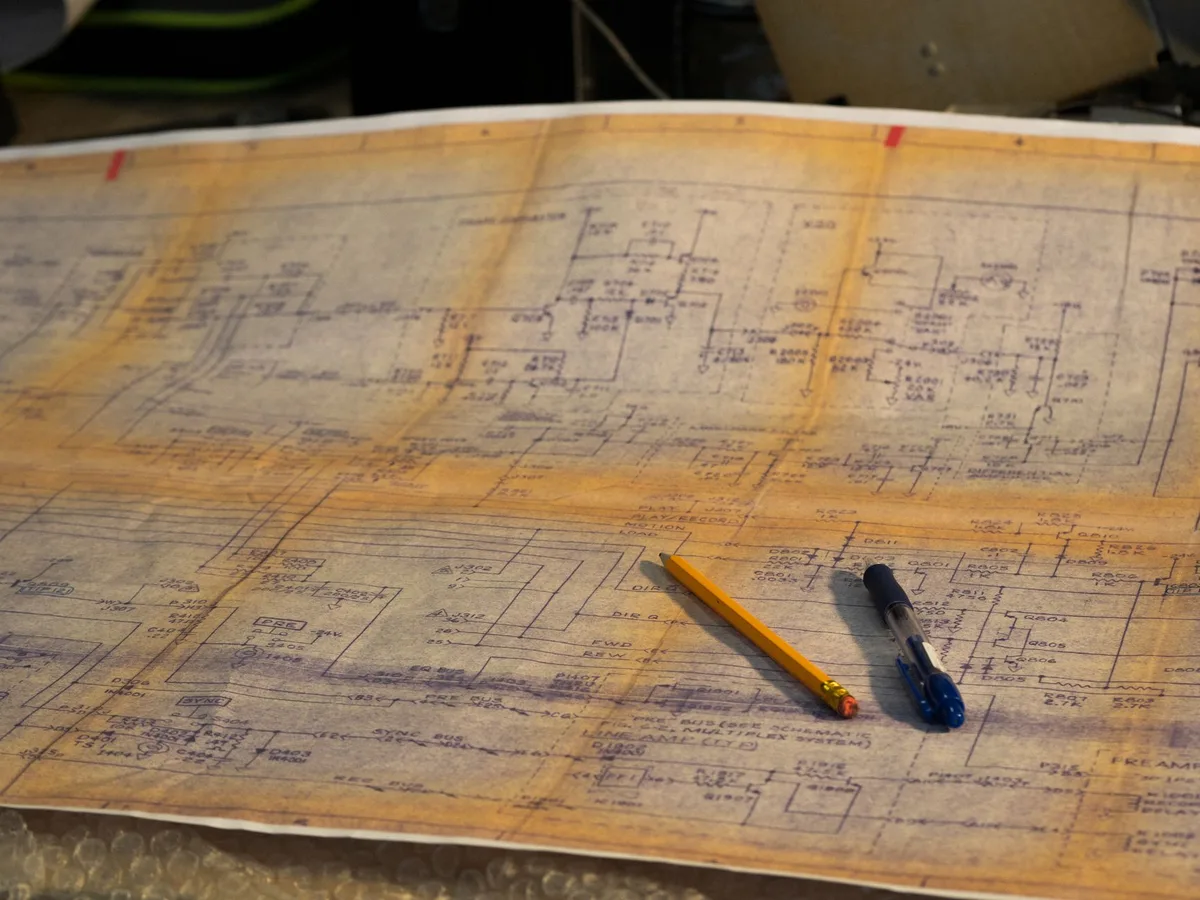
While effective for smaller to medium-sized motors, they allow the full inrush current to flow. This is acceptable when the available power system can easily handle the surge without significant voltage drops. For motors over, say, 10 horsepower, a DOL starter might still cause noticeable grid disturbances. If you're working with three-phase motors and want to understand wiring principles, guides on how to wire a three-phase motor can offer more context on how these connect.
Reduced Voltage Starters: When DOL Isn't Enough
For larger electric motors, the significant inrush current associated with Direct-On-Line (DOL) starting can be problematic. This is where reduced voltage starters come into play. Their primary function is to lessen the electrical stress on the motor and the power system during the startup phase.
These starters achieve this by applying a lower voltage to the motor initially and then gradually increasing it or switching to full voltage once the motor has accelerated. This controlled ramp-up minimizes the peak current draw. For example, a Wye-Delta starter is a common method where the motor windings are initially connected in a "wye" configuration, reducing the voltage across each winding and thus the starting current. Once the motor reaches about 80% of its rated speed, the connections are switched to a "delta" configuration for normal operation.
Other methods include using solid-state electronic soft starters which precisely control the voltage ramp.
Variable Frequency Drives (VFDs) as Sophisticated Control
Variable Frequency Drives (VFDs) represent the most advanced form of motor control and protection available today. While they are more than just a "starter," they perform all starter functions and much more. VFDs operate by precisely controlling both the voltage and frequency supplied to the motor. This allows for very smooth acceleration, deceleration, and speed adjustment.
By modulating the frequency, a VFD can bring a motor up to speed gradually, significantly reducing the inrush current to levels often close to the motor's normal running current, which is a huge advantage over traditional starters. This fine-tuned control also enables precise speed matching for various applications, improving efficiency and reducing wear and tear. If you're interested in the nuances of motor operation, exploring resources on how to use an air compressor can sometimes highlight applications where variable speed is crucial for efficiency.
When to Use Which Type of Starter
Choosing the right motor starter depends heavily on the specific motor's power requirements and the demands of the application. For smaller motors, typically under 5 horsepower, a Direct-On-Line (DOL) starter is usually sufficient and the most cost-effective option. They provide basic starting and overload protection without unnecessary complexity.
For medium to larger motors, especially those above 10 horsepower, you need to consider the impact of inrush current on the power system. If the electrical infrastructure can easily handle the surge, a DOL starter might still be used, but this is less common. More often, a reduced voltage starter like a Wye-Delta configuration or an electronic soft starter is preferred to mitigate electrical disturbances and reduce mechanical stress on the motor. For applications demanding precise speed control or significant energy savings through speed adjustment, a Variable Frequency Drive (VFD) is the superior choice, albeit with a higher initial cost.
Common Mistakes to Avoid
When selecting and using motor starters, a few common errors can lead to premature failure or inefficient operation. One frequent mistake is oversizing the starter; while it might seem safer, an oversized starter might not provide sensitive enough overload protection for the motor it's connected to. Conversely, undersizing can lead to nuisance tripping or the starter failing under normal operating surges.
Another pitfall is neglecting maintenance. Even robust starters require periodic checks. For mechanical starters, this includes inspecting and cleaning contactors, as pitting or debris can impede proper connection and increase resistance. For electronic starters, firmware updates and checking for diagnostic error codes are crucial.
Not understanding the motor's nameplate data, such as its full load amperage (FLA) and service factor, is also a critical error that can lead to incorrect starter selection.
Key Components Explained Further
Understanding the individual roles of the contactor and overload relay really clarifies why a motor starter is so much more than just a switch. These two components, working in tandem, are the heart of the starter's protective and control functions.
The Role of the Contactor
The contactor is fundamentally a high-power relay. It's designed to switch a motor's main power circuit on and off, usually under the control of a lower-voltage signal from push buttons or a control system. When you press the "start" button, a low-voltage circuit energizes the contactor's coil. This coil, energized by AC or DC power depending on the starter design, generates a magnetic field.
This magnetic field pulls a set of heavy-duty contacts together, completing the circuit between the power source and the motor. When the "stop" button is pressed, or a fault signal is received, the coil is de-energized, the magnetic field collapses, and spring-loaded contacts open, disconnecting power to the motor.
The Watchful Eye of the Overload Relay
The overload relay is the motor's personal bodyguard. Its job is to monitor the current flowing to the motor and shut it down if the current becomes dangerously high for an extended period. This is crucial because while a brief inrush current is normal, a sustained overcurrent usually signals a problem. This could be a motor mechanically jammed, bearing failure, or a voltage imbalance.
Overload relays typically use thermal elements, like bimetallic strips. As current flows through these elements, they heat up. If the overload is significant and sustained, the heat causes the bimetallic strips to bend, which in turn triggers a mechanism to open the control circuit, thus stopping the motor. This prevents the motor windings from overheating and failing.
Where You’ll Find Motor Starters: Use Cases
Motor starters are ubiquitous in any setting where electric motors are used to power machinery. Their presence is most common in industrial and commercial environments, where motors drive everything from conveyor belts and pumps to fans and machine tools. A manufacturing plant, for instance, will have numerous motor starters, each controlling a specific piece of equipment on an assembly line.
In agricultural settings, they are essential for powering irrigation pumps, grain elevators, and processing machinery. Even in larger commercial buildings, you'll find them controlling HVAC systems, elevators, and water pumps. The specific type of starter used will depend on the motor size and the criticality of the application. For instance, a critical water pump might use a more sophisticated starter or VFD to ensure continuous operation and protection, while a simple fan might use a basic DOL starter.
Manufacturer Insight: What to Look For
When you're in the market for a motor starter, consulting manufacturer specifications is key. Reputable manufacturers provide detailed data that helps you match the starter to your motor and application precisely. Look for information on the starter's NEMA or IEC enclosure ratings, which indicate its suitability for different environments (e.g., NEMA 1 for general indoor use, NEMA 4X for watertight and corrosion-resistant applications).
Pay close attention to the rated horsepower (HP) or kilowatt (kW) capacity of the starter and its maximum voltage rating. Ensure these exceed the requirements of the motor you intend to protect. For overload relays, check the adjustable trip setting range, often expressed in amperes, and confirm it aligns with your motor's Full Load Amperage (FLA) as listed on its nameplate. Standards like UL or CSA certifications are also important indicators of quality and safety compliance.
Always refer to the official documentation from brands like Siemens, ABB, or Schneider Electric for the most accurate technical details.
Final Thoughts on Motor Protection
Ultimately, understanding what a motor starter does is about appreciating its role as a critical component for motor longevity and system reliability. It’s not just about making a motor spin; it’s about ensuring that spin happens safely and efficiently. From managing the initial surge of power to constant vigilance against dangerous overcurrents, the starter is the unsung hero protecting your valuable equipment.
Choosing the right type of starter, whether a simple Direct-On-Line, a sophisticated reduced voltage starter, or an advanced Variable Frequency Drive, depends on the specific needs of your application and the size of the motor. Neglecting this crucial piece of equipment can lead to costly repairs, downtime, and potential safety hazards. Investing in the correct motor starter is a proactive step towards ensuring your operations run smoothly and without interruption.