Ever heard that dreaded phrase, "The motor blew!"? It's a pretty common way to describe when an electric motor just gives up the ghost, usually with some dramatic flair like smoke or a weird smell. As someone who's seen my fair share of motors fail (and hopefully brought a few back from the brink!), I can tell you it's rarely one single, sudden event. Usually, it's a story of stress and breakdown, where little things build up until something snaps.
Think of it like an engine in a car. You don't just wake up one morning and the engine's completely shot without any prior warning signs, right? Motors are similar. They're built to last, but they have their limits, and pushing them past those limits, or neglecting them, is the fast track to trouble.
What Causes a Motor to Blow?
When a motor "blows," it often means some critical component, typically the windings or the insulation, has failed catastrophically. This usually happens because of excessive heat, electrical stress, or mechanical issues. Per standards like those set by the IEEE (Institute of Electrical and Electronics Engineers), proper insulation is crucial for motor longevity.
The Unseen Stress: How Motors Get Overloaded
Overloading is probably the most frequent way a motor gets pushed too hard, leading to failure. It happens when you ask a motor to do more work than its design allows. Imagine trying to pull a heavy load with a rope that's too thin; eventually, something has to give.
- Too Much Work: This means the motor's output shaft is struggling against too much resistance, forcing it to draw more electrical current than it's rated for.
- Frequent Starts and Stops: Every time a motor starts, it draws a surge of current. If this happens too often, especially in rapid succession, it generates a lot of heat that the motor might not be able to dissipate effectively. This is particularly tough on larger motors and can significantly shorten their lifespan if not managed.
- Improper Load Matching: Sometimes, the equipment the motor is driving isn't the right match. For example, if a pump impeller is too large for the motor driving it, the motor will constantly be fighting an uphill battle. For applications involving specific loads, understanding how to match components is key.
The Role of Heat: Why Overheating is a Motor's Worst Enemy
Heat is the silent killer of electric motors. While motors naturally generate some heat during operation, excessive heat accelerates the breakdown of vital components, especially the insulation around the windings.
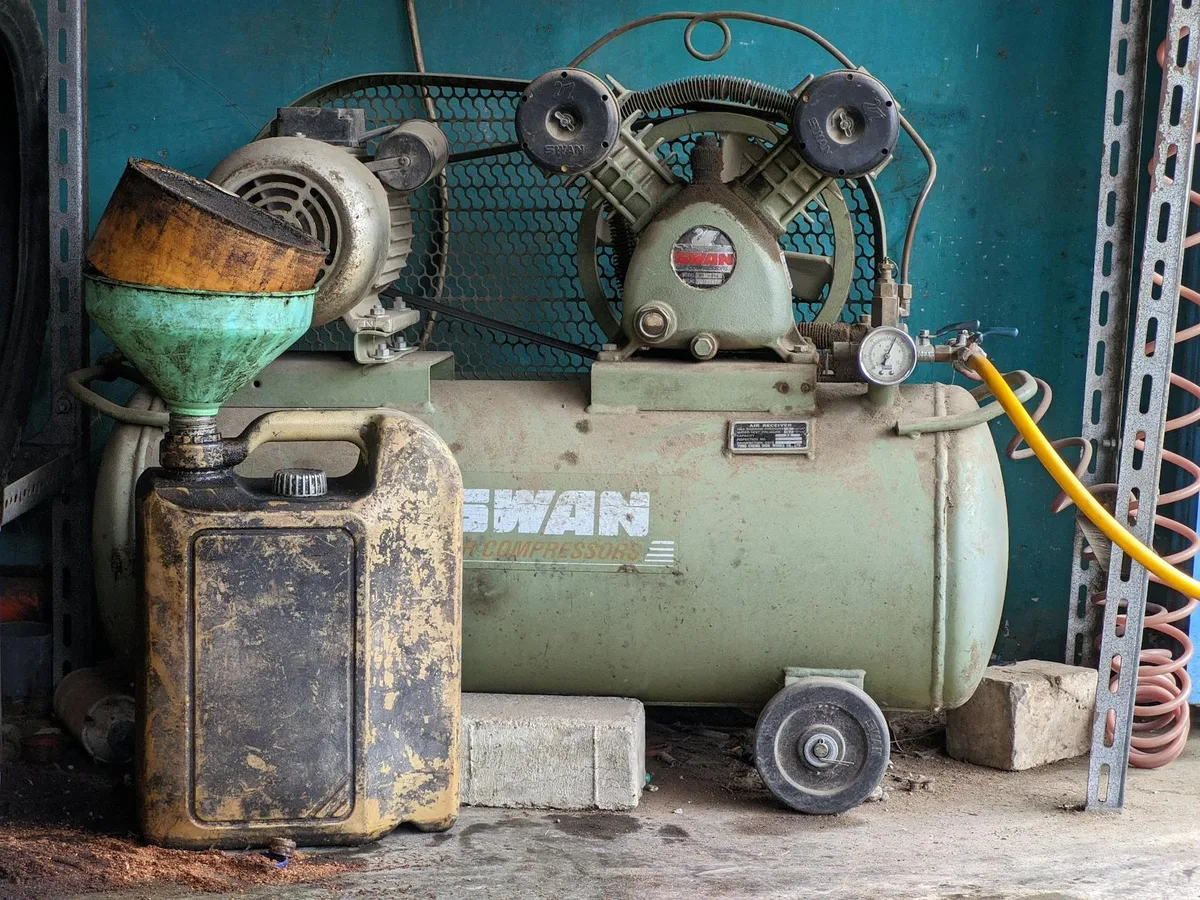
- Blocked Ventilation: Motors need to breathe. Dust, dirt, debris, or even poorly designed enclosures can block the air vents, preventing the motor from cooling itself. This is a common issue in industrial settings or workshops where dust is prevalent. Regularly cleaning vents, perhaps with an air compressor, can make a world of difference.
- High Ambient Temperatures: If a motor is operating in an already hot environment, it has a harder time shedding its own generated heat. This can be a factor in applications in hot climates or enclosed, unventilated spaces.
- Bearing Issues: When the bearings of a motor wear out or become dry, they create significant friction. This friction generates a lot of heat, which can quickly transfer to the motor's windings and surrounding insulation, contributing to a system-wide overheating problem.
Electrical Problems That Lead to Motor Failure
The electrical side of a motor is its lifeblood, and any disturbance here can quickly lead to disaster. These issues often manifest as abnormal heat or power draw, stressing components beyond their limits.
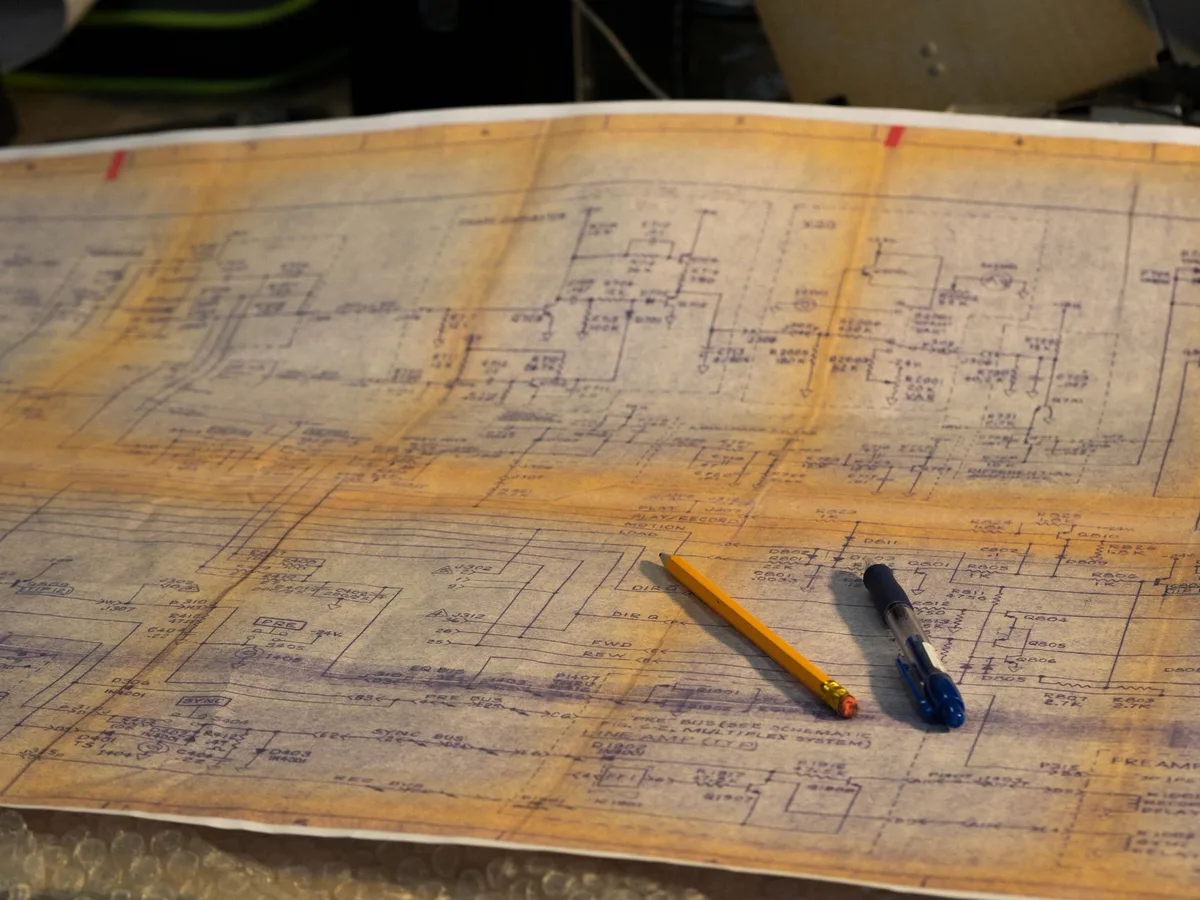
Voltage Fluctuations:
- Low Voltage: If a motor runs on significantly lower voltage than specified, it will try to compensate by drawing more current to produce the required torque. This increased current leads to overheating of the windings.
- High Voltage: Running a motor on voltage that's too high can cause saturation of the magnetic core, leading to increased current draw and excessive heat. It can also stress the insulation system. Manufacturer specifications, like those found on many three-phase motors, clearly outline acceptable voltage ranges.
Short Circuits: This is where electricity finds an unintended, low-resistance path. A short circuit between windings, or between a winding and the motor frame (a ground fault), can cause an instantaneous surge of current, rapid heating, and immediate insulation damage. Protective devices like circuit breakers and fuses are designed to interrupt this flow, but the damage can sometimes already be done.
Unbalanced Power: For three-phase motors, if the voltage or current across the three phases isn't equal, it creates an imbalance. This imbalance causes some phases to carry more load and heat up more than others, eventually leading to premature failure of those overloaded windings.
Mechanical Stressors: The Physical Toll on Motors
Beyond heat and electricity, motors are subject to all sorts of physical stress. When these mechanical forces become too great or persistent, they can cause internal damage that ultimately leads to failure.
Misalignment: This is a big one, especially when a motor is coupled to another piece of equipment. If the motor shaft and the shaft of the driven equipment aren't perfectly aligned, it puts incredible side-load pressure on the motor's bearings and shaft. It's like trying to spin a wheel that’s mounted slightly off-center; it wobbles, vibrates, and wears out much faster. Ensuring proper alignment is a critical part of motor installation and maintenance.
Vibration: While some vibration is normal, excessive shaking can be a sign of underlying problems. It can loosen internal electrical connections, crack insulation over time, and accelerate wear in bearings. Persistent vibration might indicate issues with the rotor balance, bearing health, or the mounting of the equipment itself.
Contamination: In harsh environments, motors can be exposed to dirt, dust, moisture, or corrosive chemicals. These contaminants can get into the motor's internal workings, damaging the insulation, corroding electrical contacts, and gumming up bearings. This is why specific motor enclosures or protective measures are often required for certain industrial applications.
Age and Wear: When Components Just Give Out
Like any mechanical or electrical device, electric motors don't last forever. Over time, the materials they're made from degrade, and their performance can decline, making them more susceptible to failure. This isn't a sudden event, but a gradual process that can be exacerbated by the other issues we've discussed.
- Insulation Degradation: Over years of operation, the insulation on motor windings can become brittle or crack due to thermal cycling (heating and cooling) and vibration. Older insulation is less able to withstand electrical surges or heat, making it more prone to short circuits or ground faults.
- Bearing Fatigue: Motor bearings are designed with a specific lifespan, often rated in operating hours. When bearings reach the end of their life, they can seize up, become noisy (grinding or squealing), or develop excessive play, all of which lead to increased friction, heat, and motor strain. For instance, some bearings are rated for hundreds of thousands of hours, but even optimal conditions can't prevent eventual wear.
- Electrical Connection Corrosion: In less-than-ideal environments, electrical connections inside and outside the motor can corrode over time. This corrosion increases resistance, leading to voltage drops, localized heating, and intermittent operation that can eventually cause a complete failure.
Recognizing the Signs: What a "Blowing" Motor Looks and Smells Like
It’s rare for a motor to just silently cease functioning. Usually, there are distinct warning signs that something is wrong, and when it truly "blows," the indicators are often quite dramatic, signaling critical component failure.
What to Listen and Smell For:
- Unusual Noises: Grinding, squealing, or loud humming sounds can indicate failing bearings or rotor imbalance. A sudden, loud pop or bang can signify a winding failure or short circuit.
- The Smell of Burning: This is the classic sign of insulation breakdown. It's a distinct acrid, electrical burning odor that means the protective coatings are vaporizing due to extreme heat.
- Visible Smoke: If the insulation breakdown is severe, you might see smoke emanating from the motor housing. This is an immediate sign of critical failure and danger.
What the Final Moments Might Look Like:
When a motor fails catastrophically, it's often due to a complete loss of insulation. This can cause:
- Short Circuits: Internal winding-to-winding contact creates a huge current surge.
- Ground Faults: A winding touches the motor's metal casing, diverting current to the ground.
- Protective Device Tripping: These events will usually cause a circuit breaker to trip or a fuse to blow, often accompanied by the smell and sometimes smoke.
Age and Wear: When Components Just Give Out
Like any mechanical or electrical device, electric motors don't last forever. Over time, the materials they're made from degrade, and their performance can decline, making them more susceptible to failure. This isn't a sudden event, but a gradual process that can be exacerbated by the other issues we've discussed.
- Insulation Degradation: Over years of operation, the insulation on motor windings can become brittle or crack due to thermal cycling (heating and cooling) and vibration. Older insulation is less able to withstand electrical surges or heat, making it more prone to short circuits or ground faults.
- Bearing Fatigue: Motor bearings are designed with a specific lifespan, often rated in operating hours. When bearings reach the end of their life, they can seize up, become noisy (grinding or squealing), or develop excessive play, all of which lead to increased friction, heat, and motor strain. For instance, some bearings are rated for hundreds of thousands of hours, but even optimal conditions can't prevent eventual wear.
- Electrical Connection Corrosion: In less-than-ideal environments, electrical connections inside and outside the motor can corrode over time. This corrosion increases resistance, leading to voltage drops, localized heating, and intermittent operation that can eventually cause a complete failure.
Preventing Motor Catastrophe: Essential Maintenance Tips
Much of the stress that leads to motor failure can be mitigated with basic, consistent maintenance. Think of it as proactive care to keep your motors running reliably for as long as they're designed to. Implementing a solid maintenance plan can save you a lot of headaches and money down the line.
- Keep it Clean: Regularly inspect and clean motor vents and cooling fins. A simple process like using an air compressor is often enough to clear away dust and debris that can block airflow, preventing overheating.
- Listen for Trouble: Periodically listen to your motors while they're running. Unusual noises like grinding, squealing, or excessive humming are early indicators of bearing problems or rotor imbalance. Addressing these early can prevent more severe damage.
- Feel for Heat: A motor that's running excessively hot to the touch, beyond what's normal for its operation, is a warning sign. This could indicate overloading, poor ventilation, or bearing issues. Using an infrared thermometer can provide more precise readings.
- Check Connections: Regularly inspect electrical connections for signs of corrosion, looseness, or overheating. Poor connections increase resistance, leading to heat buildup and power loss.
Keeping Your Motors Running Smoothly: Expert Maintenance Practices
Beyond the basics, a more structured approach to motor maintenance can significantly extend a motor's life and prevent unexpected failures. This involves regular, scheduled checks that go a bit deeper than just cleaning vents.
- Alignment Verification: For connected equipment, verify motor alignment periodically. Even slight shifts can cause significant stress on bearings and shafts. Tools exist to measure this precisely, ensuring the motor and driven load are rotating on the same plane.
- Lubrication Schedules: Follow the manufacturer's recommended lubrication schedule for motor bearings. Proper lubrication reduces friction, heat, and wear. Using the correct type and amount of lubricant is critical.
- Voltage and Load Monitoring: If the application is critical, consider installing systems to monitor motor voltage and current draw. Deviations from normal operating parameters can indicate developing electrical issues or overloading before they become critical. This is especially important for motors wired more complexly, like three-phase motors.
- Vibration Analysis: For heavy-duty or critical motors, vibration analysis can detect subtle issues in bearings, rotor balance, or mounting long before they become audible or cause catastrophic failure. This technique uses specialized sensors to measure vibration patterns and identify specific problem areas.
When to Call a Professional: Recognizing Limitations
While proactive maintenance can prevent many motor failures, some issues go beyond basic DIY fixes. Knowing when to bring in an expert is crucial, not just for effective repairs but also for safety and preventing further damage to your equipment or workspace. Trying to tackle complex electrical problems without the right knowledge can be dangerous and costly.
- Complex Electrical Faults: If you suspect a short circuit, ground fault, or significant voltage imbalance, it's time to call a qualified electrician or motor technician. These issues often require specialized diagnostic tools and an understanding of intricate electrical systems, like those found in how to wire a three-phase motor installations.
- Bearing Replacement on Larger Motors: While small motors might have easily accessible bearings, replacing bearings on larger or sealed units can be a challenging mechanical task. It often requires specialized presses and knowledge to avoid damaging the motor housing or shaft.
- Suspected Internal Winding Damage: If you see smoke, smell burning insulation, or hear loud popping noises, the internal windings are likely severely damaged. Repairing or replacing motor windings is a specialized job that most end-users aren't equipped to handle.
What Should I Look For in a Motor Professional?
When seeking professional help, look for someone with specific experience in electric motor repair and diagnostics. Certifications from industry bodies or a proven track record can be good indicators of expertise.
Safety First: Protecting Yourself and Your Equipment
Working with electric motors, especially those connected to mains power, carries inherent risks. Understanding these dangers and taking appropriate precautions is paramount to prevent injury, electrical shock, or further damage to your equipment. Always prioritize safety before, during, and after any maintenance or troubleshooting activity.
- Disconnect Power: Always ensure the power supply to the motor is completely disconnected and locked out before performing any physical inspection or maintenance. Verify with a voltage tester that no power is present.
- Understand Voltage Risks: Motors operate on voltages that can be lethal. Even seemingly low voltages can cause harm. Be aware of the electrical system you're working with and its potential hazards. For example, while some small trolling motors operate on lower DC voltages, industrial motors might use 240V or 480V AC, which demand extreme caution.
- Wear Protective Gear: When working around electrical equipment, wear appropriate personal protective equipment (PPE) such as insulated gloves, safety glasses, and sturdy footwear. This helps mitigate risks from accidental contact or minor electrical events.
- Follow Manufacturer Guidelines: Always refer to the motor manufacturer's documentation for specific safety warnings and operating procedures. These guidelines are developed to ensure safe and efficient use of their products.