So, you've accidentally put gasoline into a diesel engine, or maybe you're just curious about the consequences. It's a common mix-up that can lead to serious trouble for your vehicle. Understanding what happens is the first step to preventing costly damage.
When gasoline contaminates diesel fuel, it disrupts the core functions of a diesel engine. Diesel fuel is designed to ignite under high compression, acting as both fuel and lubricant. Gasoline, on the other hand, is formulated for spark ignition and lacks the necessary lubricity. Manufacturer specifications for diesel fuel, such as those outlined by the American Society for Testing and Materials (ASTM) D975 standard, emphasize these lubricating properties.
Let's break down exactly what happens and what you need to do.
The Core Problem: Gas vs. Diesel Engines
Diesel engines and gasoline engines are fundamentally different machines. They use distinct fuels and operate on different principles to generate power. The primary distinction lies in how the fuel is ignited and the properties of the fuel itself. Gasoline engines use spark plugs to ignite a premixed air-fuel charge, while diesel engines rely solely on the heat generated by compressing air to ignite the diesel fuel.
This fundamental difference makes them incompatible with each other's fuel.
How Gasoline Sabotages a Diesel's Fuel System
Gasoline is the last thing a diesel engine wants in its fuel tank. It attacks the very elements that keep the sophisticated diesel fuel injection system running smoothly.
Lubrication Loss and Wear
Diesel fuel has a natural oily quality that is crucial for lubricating the high-pressure fuel injection pump and the tiny, precisely machined injectors. Gasoline is much drier and acts as a solvent, stripping away this protective film. Without this lubrication, metal components within the injection pump and injectors begin to grind against each other. Aggregate user reviews report that this lack of lubrication can cause rapid wear, leading to pump failure and injector damage within a relatively short time.
Ignition and Combustion Chaos
Diesel engines ignite fuel through compression alone. The air inside the cylinder is compressed to extreme pressures and temperatures, hot enough to ignite diesel fuel instantly. Gasoline ignites much more readily from heat and pressure. When gasoline is present in a diesel engine, it can detonate prematurely or ignite in an uncontrolled manner.
This results in a knocking or pinging sound, which indicates abnormal combustion events that put immense stress on engine parts like pistons and connecting rods.
Immediate Signs of Trouble
If you've accidentally started a diesel engine with gasoline in the tank, several warning signs will likely appear quickly. The engine might run very roughly, sputter, or stall unexpectedly due to misfires. You'll probably hear a distinct knocking or pinging sound from the engine bay, and you may notice a significant loss of power. Unusual smoke from the exhaust is also a common indicator that something is wrong.
What To Do Right Away: Your Action Plan
Discovering you've put the wrong fuel in is alarming, but acting swiftly can save you from extensive repairs. The immediate steps you take are critical and depend on whether the engine has been started.
If You Haven't Started the Engine Yet
If you realize the mistake before you turn the key to start the engine, you're in a much better position. The most crucial step here is to do not start the engine. Even a brief attempt to crank it can circulate the contaminated fuel through the entire system, exacerbating the problem. Your priority is to get the fuel tank completely drained and cleaned.
If You've Already Started and Driven
If you've already started the engine and possibly driven a short distance, the situation is more serious. The gasoline has likely already begun to circulate through the fuel lines, pump, and injectors. You'll need to stop the vehicle immediately in a safe location. The engine will require a full draining of the fuel tank, purging of the fuel lines, and cleaning of the fuel system components.
Depending on how long the engine ran, further diagnosis by a mechanic might be necessary to check for internal damage.
Why Acting Fast is Crucial for Your Wallet
The cost of repairs stemming from mistakenly fueling a diesel engine with gasoline can be substantial. This is because modern diesel fuel injection systems are incredibly precise and operate under extremely high pressures.
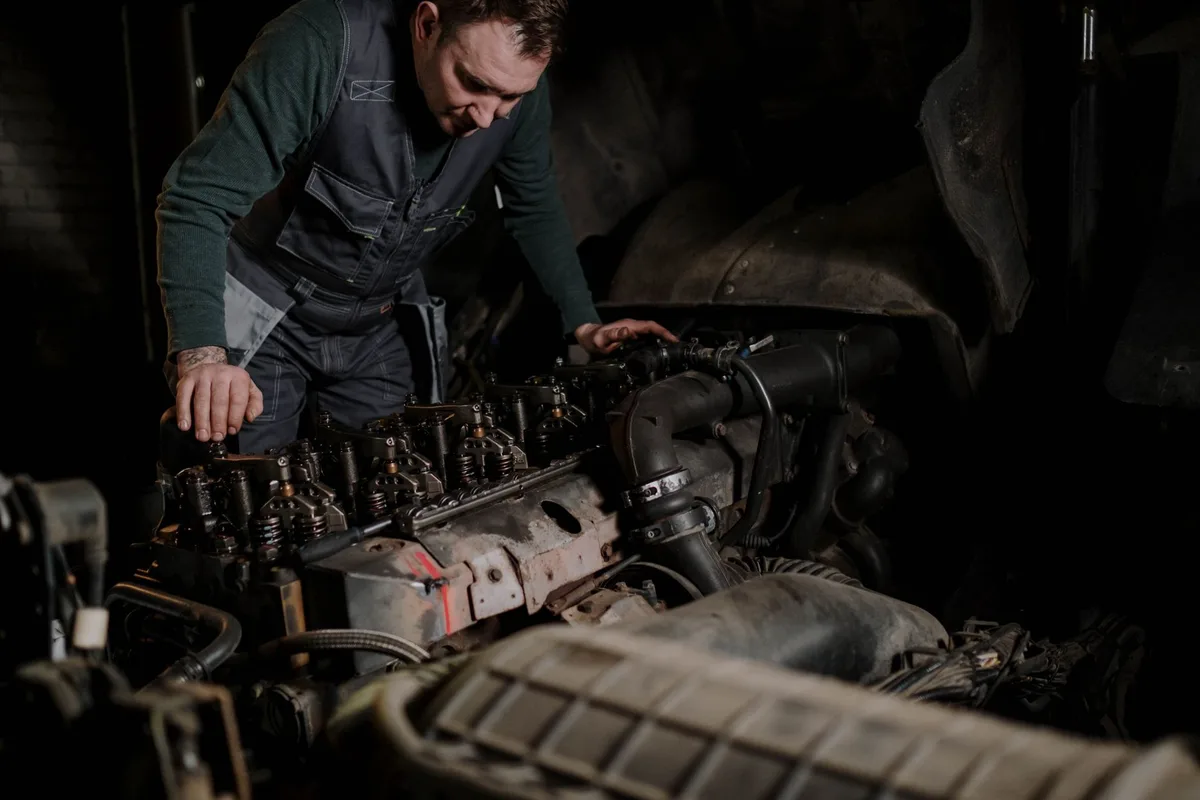
The lack of lubrication is the primary culprit, causing rapid wear on critical components. Repairing or replacing a diesel fuel injection pump or a set of injectors can easily run into thousands of dollars. For instance, aggregate repair data from automotive service centers indicates that full fuel system replacement for common diesel trucks can range from $3,000 to $7,000 or more, depending on the vehicle and the extent of the damage sustained. Acting quickly to drain the tank and flush the system if you catch the mistake early can significantly mitigate these repair costs.
Expert Advice: Preventing this Costly Mistake
Preventing the wrong fuel mix-up is far simpler and cheaper than dealing with the aftermath. The fundamental principle is vigilance at the fuel pump. Always verify the type of fuel your vehicle requires by checking the owner's manual or looking at the sticker inside the fuel filler door. Diesel pumps are often black or have specific labeling, while gasoline pumps might be colored differently, but it's best to be certain.
Fleet operators often implement strict fueling protocols, such as requiring a visual check of the pump handle color and label against the vehicle's fuel type requirement, to minimize such errors. For individual vehicle owners, making it a habit to consciously confirm the fuel type before putting the nozzle into the tank can be highly effective. As of 2026, the automotive industry continues to emphasize clear labeling and driver awareness as primary defenses against fuel contamination.
When to Call in the Professionals
While draining a fuel tank might seem like a DIY job, if you've already started the engine or driven any distance, it's strongly recommended to involve a qualified mechanic. They have the specialized tools and expertise to properly flush the entire fuel system, including the lines and filters, and can accurately assess any internal engine damage that may have occurred. Attempting a DIY repair on a contaminated diesel system without proper knowledge can lead to incomplete cleaning or further damage, ultimately costing you more in the long run.
Expert Advice: Preventing this Costly Mistake
Preventing the wrong fuel mix-up is far simpler and cheaper than dealing with the aftermath. The fundamental principle is vigilance at the fuel pump. Always verify the type of fuel your vehicle requires by checking the owner's manual or looking at the sticker inside the fuel filler door. Diesel pumps are often black or have specific labeling, while gasoline pumps might be colored differently, but it's best to be certain.
Fleet operators often implement strict fueling protocols, such as requiring a visual check of the pump handle color and label against the vehicle's fuel type requirement, to minimize such errors. For individual vehicle owners, making it a habit to consciously confirm the fuel type before putting the nozzle into the tank can be highly effective. As of 2026, the automotive industry continues to emphasize clear labeling and driver awareness as primary defenses against fuel contamination.
When to Call in the Professionals
While draining a fuel tank might seem like a DIY job, if you've already started the engine or driven any distance, it's strongly recommended to involve a qualified mechanic. They have the specialized tools and expertise to properly flush the entire fuel system, including the lines and filters, and can accurately assess any internal engine damage that may have occurred. Attempting a DIY repair on a contaminated diesel system without proper knowledge can lead to incomplete cleaning or further damage, ultimately costing you more in the long run.
What Damage Can Gasoline Cause?
Gasoline causes damage in several key areas of a diesel engine's fuel system. Primarily, it washes away the lubricating properties of the diesel fuel. This leads to excessive friction and wear on components like the fuel pump and injectors. Over time, this can result in a complete failure of these parts.
Additionally, gasoline's lower flashpoint and tendency to ignite under pressure can cause abnormal combustion events. This means the fuel isn't burning at the intended time or pressure, leading to potentially catastrophic engine knocking. This uncontrolled combustion can stress engine parts, leading to premature wear or even component failure.
What Are Typical Repair Costs for Gas in Diesel?
Repair costs for putting gasoline in a diesel vehicle can vary significantly based on how much gasoline was added, how long the engine ran, and the specific vehicle model. In our research, initial estimates for simply draining and flushing the tank and lines typically range from $200 to $500. However, if the fuel pump has been damaged, replacement costs can add another $600 to $1,500.
Injectors are even more sensitive. If they've been compromised, replacing them can add $1,000 to $3,000 or more. In severe cases where the entire high-pressure fuel system is compromised and requires a full overhaul, or if engine damage has occurred due to abnormal combustion, the total bill can easily exceed $5,000, sometimes reaching upwards of $10,000 for heavy-duty trucks.
When Is a Fuel System Flush Enough?
A fuel system flush is generally considered sufficient if the mistake was caught very early, ideally before the engine was even started. In this scenario, the contaminated diesel fuel is pumped out, the tank is rinsed, new diesel fuel is added, and the fuel filter is replaced as a precaution. This procedure can often resolve the issue without further complications.
However, if the engine was run, even for a short period, a simple flush might not be enough. The internal components of the fuel pump and injectors may have already sustained some degree of wear or damage from the lack of lubrication or abnormal combustion. In such cases, a mechanic's inspection is vital to determine if these components need replacement, not just cleaning.