When your furnace kicks on, you might hear a little fan whirring before the main heat production really gets going. If you've ever wondered what that initial sound is, you're likely hearing the inducer motor at work. Understanding what this component does is key to knowing how your furnace stays safe and efficient.
Manufacturer specifications often point to the inducer motor as a primary safety control in modern gas furnaces, ensuring that combustion byproducts are safely vented. As of 2026, this critical function remains unchanged. Let's break down precisely what this motor is and why it's so vital for your home's heating.
The "Why" Behind the Inducer Motor
Your furnace is essentially a controlled burning device, using fuel like natural gas to create heat. This combustion process, however, also generates exhaust gases. These byproducts are not something you want lingering in your home; they can be harmful and even dangerous. The inducer motor's sole purpose is to create the necessary airflow to push these exhaust gases out of the furnace and safely away through your home's venting system.
It's the first line of defense in ensuring a clean and safe burn.
How the Inducer Motor Works
At its core, the inducer motor is a small, electric fan motor. It's wired into your furnace's control board and is typically one of the first components to activate when the thermostat calls for heat. Once energized, the motor spins, turning a fan. This fan draws air from the combustion chamber and the heat exchanger, building a slight negative pressure that forces the exhaust gases out through the flue or chimney.
Pushing Out the Exhaust
This motor doesn't just stir air; it actively expels potentially dangerous fumes. Think of it as a small, dedicated exhaust fan for your furnace's burning process. It’s designed to operate at a specific speed and with enough force to overcome the resistance of the flue pipe, ensuring a clear path for combustion byproducts. This is a critical step before any fuel is ignited to prevent hazardous gases from entering your living space.
The Startup Sequence
The inducer motor plays a crucial role in the phased startup sequence of most modern furnaces. When your thermostat signals a need for heat, the furnace's control board first powers the inducer motor. The control board waits for a signal that the inducer motor is running at the correct speed, often via a pressure switch. Once this safety check is confirmed, the control board proceeds to ignite the gas burner and then fires up the main blower motor to circulate the heated air.
Why This Little Motor Matters to You
This seemingly simple component is a cornerstone of your furnace's operation, directly impacting your comfort and, more importantly, your safety. Its function is multi-faceted, contributing to the overall health and performance of your heating system.
Safety First: Keeping Your Air Clean
The most critical role of the inducer motor is safety. By actively venting combustion byproducts, it prevents the buildup of harmful gases like carbon monoxide within your home. Carbon monoxide is odorless and colorless, but it can be deadly. A properly functioning inducer motor ensures these dangerous byproducts are channeled safely outdoors, protecting everyone inside.

Efficiency: Helping Your Furnace Run Smart
When exhaust gases are effectively vented, the furnace can operate more efficiently. Proper venting allows the combustion process to occur cleanly and completely, extracting maximum heat from the fuel. If the vent isn't clear, the furnace might struggle to burn fuel efficiently, leading to wasted energy and increased wear and tear on other components. This efficiency translates into potentially lower energy bills and a longer lifespan for your furnace.
Functionality: Getting Your Heat Started
Without a working inducer motor, your furnace simply won't turn on. The safety controls are designed to prevent ignition if the inducer motor isn't functioning correctly. Aggregate user feedback and repair technician reports consistently highlight the inducer motor as a common failure point that prevents a furnace from igniting, leaving you in the cold.
Signs of an Inducer Motor Problem
Catching an issue early can save you from a cold house and potentially costly repairs. There are several indicators that your furnace's inducer motor might be struggling or has failed. Paying attention to unusual sounds, smells, or the furnace's general behavior is key to early detection.
Listening for Trouble: Strange Noises
A failing inducer motor often makes its presence known through sound. You might hear a grinding, rattling, or squealing noise originating from the furnace when it attempts to start up or during operation. These sounds can indicate that the motor bearings are worn, the fan is hitting something, or the motor itself is starting to seize up.
Smelling Danger: Exhaust Odors
If you detect a faint smell of gas or exhaust from your furnace, especially when it's running or trying to start, this is a serious warning sign. It could mean that the inducer motor isn't powerful enough to vent the fumes properly, or a crack has developed in the heat exchanger allowing byproducts to escape prematurely.
Furnace Won't Start: The Most Common Sign
One of the most frequent symptoms of an inducer motor failure is simply that the furnace won't light or run at all. The safety mechanisms built into modern furnaces are designed to prevent the burner from igniting if the inducer motor isn't operating correctly and clearing the vent path. This "no-start" condition is a strong indicator that the inducer motor mechanism needs to be inspected.
When to Call in the Pros
While simple checks, like ensuring your thermostat is set correctly, are easy to do, issues with the inducer motor require professional attention. Attempting to diagnose or repair this component yourself can be dangerous, especially given the involvement of combustion gases and electrical components. A qualified HVAC technician has the specialized tools, knowledge, and safety training to accurately assess the problem. They can test the motor's functionality, check associated safety switches, and determine if the motor needs cleaning, repair, or replacement.
Inducer Motor vs. Blower Motor: What's the Difference?
It's easy to get inducer motors and blower motors confused because both are fans within your furnace. However, they have distinct roles. The inducer motor, as we've discussed, is responsible for safely venting exhaust gases out of the furnace.
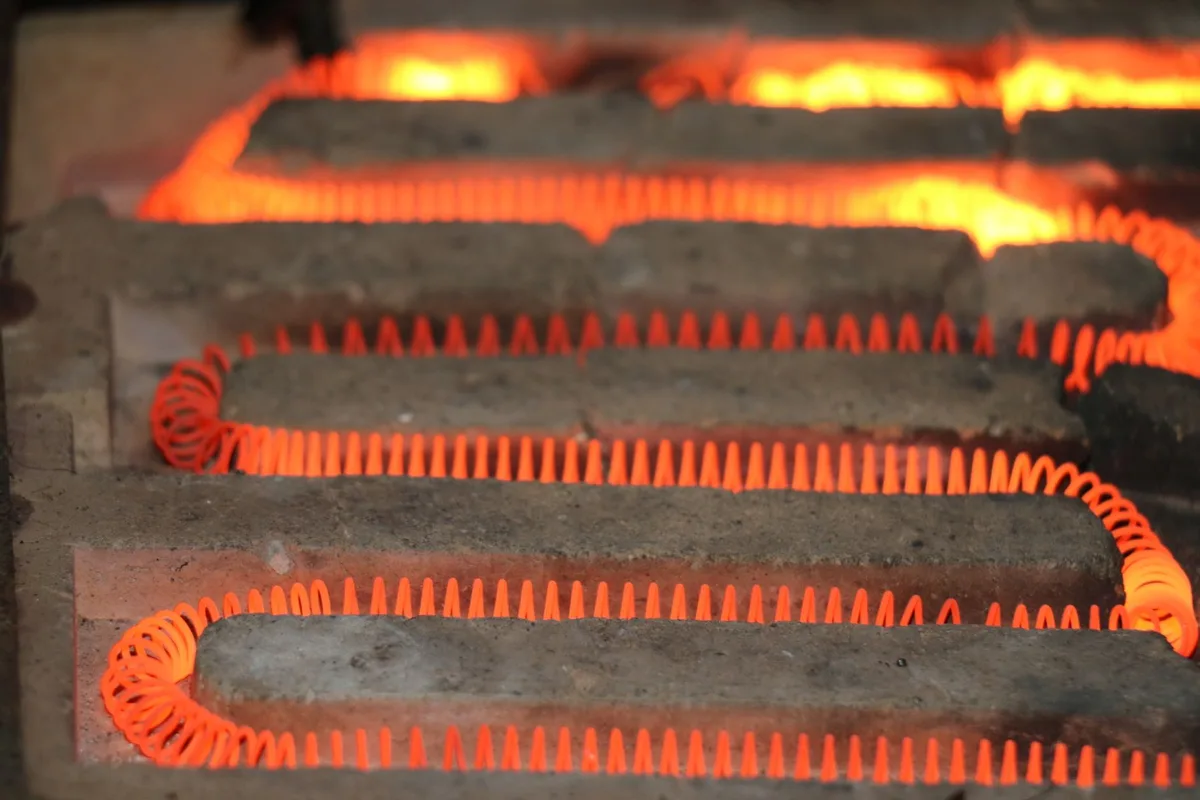
The blower motor, on the other hand, is the main workhorse for circulating air within your home. It kicks on after the inducer motor has done its job and the heat exchanger is hot. The blower motor then draws relatively cool air from your rooms, passes it over the hot heat exchanger, and pushes the warm air back into your living spaces through the ducts. So, while both move air, one expels waste, and the other distributes comfort.
Common Errors When Dealing with Inducer Motors
When troubleshooting furnace issues, there are a few common mistakes people make that can lead them down the wrong path. One frequent error is confusing the inducer motor with the main blower motor. They look similar and are both fans, but their functions are entirely different. Mistaking one for the other can lead to incorrect diagnosis and pointless repair attempts.
Is It Just a Clogged Vent?
Another common pitfall is assuming a furnace problem is solely due to a blocked vent pipe. While a blocked vent is serious and can prevent the inducer motor from working correctly, the motor itself could also be the problem, or the blockage could be a symptom of a deeper issue. It's important not to jump to conclusions and to consider all possibilities.
Ignoring Safety Switch Signals
Most inducer motors are monitored by a pressure switch. This switch ensures the motor is producing enough airflow to safely push exhaust gases out. If a homeowner tries to bypass or wrongly assumes this switch is faulty without confirming the motor is actually running, they risk ignoring a critical safety failure.
Inducer Motor Maintenance and Longevity
Keeping your furnace's inducer motor running smoothly involves a bit of proactive care. While these motors are designed to be durable, regular maintenance can extend their lifespan and prevent costly breakdowns, especially in regions with harsh winters. A well-maintained system operates more reliably.
The Role of Routine HVAC Check-ups
Having your HVAC system professionally inspected annually is highly recommended. During these check-ups, technicians can inspect the inducer motor for signs of wear, ensure its mounting is secure, and test its performance. They can also clean away any dust or debris that might accumulate around the motor and fan assembly, which could impede its operation.
Cleaning the Inducer Fan and Housing
Over time, dust and other airborne particles can build up on the inducer fan blades and within the motor housing. This buildup can cause the motor to work harder, creating vibrations and premature wear. A technician can carefully clean these parts, ensuring optimal airflow and reducing strain on the motor.
Monitoring for Vibrations and Noise
Pay attention to any new or unusual vibrations or noises coming from your furnace compartment. A slight humming is normal, but excessive rattling, grinding, or consistent squealing can be early indicators of bearing wear or imbalance in the inducer motor. Addressing these issues promptly, as part of regular maintenance, is far better than waiting for a full failure.
When an Inducer Motor Might Need Replacing
Inducer motors, like any mechanical component, have a finite lifespan. While they can last for many years with proper care, eventually, they will wear out. Several factors can contribute to a motor needing replacement, from age and accumulated wear to environmental conditions or manufacturing defects.
Bearing Failure
The most common reason an inducer motor fails is the degradation of its internal bearings. These bearings allow the motor shaft and fan to spin freely. Once they start to wear down, they can cause increased friction, noise, and eventually lead to the motor seizing up completely. This is often what produces the grinding or squealing sounds reported by homeowners.
Electrical Component Issues
The motor itself contains electrical components that can fail. Winding failures, capacitor issues (though less common in simpler inducer motors than in larger ones for other appliances), or electrical shorts can render the motor inoperable. These often result in the motor not spinning at all, triggering the furnace's safety shutdown.
Seal Degradation
Inducer motors are often sealed to protect their internal components from moisture and dust that might be present in the furnace environment. If these seals degrade or fail, contaminants can enter the motor, leading to corrosion and potential short circuits, ultimately causing the motor to fail prematurely.
Cost Considerations for Inducer Motor Repair or Replacement
The investment in repairing or replacing an inducer motor can vary significantly. Several factors influence the overall cost, including the specific make and model of your furnace, the availability of parts, and the labor rates in your local area. Understanding these variables can help you budget for potential repairs.
Parts Cost vs. Labor
The price of the inducer motor itself can range from around $100 to $300, depending on the manufacturer and model. However, the bulk of the expense often lies in labor. A qualified HVAC technician's time to diagnose the issue, remove the old motor, install the new one, and test the system can add another $150 to $400 or more.
Is It Worth Repairing?
In most cases, if the inducer motor fails, replacement is the most practical and cost-effective solution. Repairing the motor itself is rarely feasible or economical for homeowners. The labor involved in disassembling and attempting to fix a small motor like this often approaches the cost of a new unit. Manufacturers generally design these motors to be replaced as a whole component.
Understanding Furnace Replacement Parts
When your furnace needs a part, it's crucial to ensure you're getting the correct one. Using the wrong component can lead to inefficient operation, safety hazards, or even damage to your entire system. The inducer motor is no exception.
OEM vs. Aftermarket Parts
Original Equipment Manufacturer (OEM) parts are made by the same company that manufactured your furnace. They are typically designed for perfect compatibility and meet all the original specifications. Aftermarket parts, made by third-party companies, can sometimes be more affordable, but their quality and compatibility can vary. For critical safety components like the inducer motor, opting for an OEM part is often the best policy to ensure proper fit and function.
Model and Serial Number Importance
To ensure you get the right inducer motor, you’ll need your furnace’s make, model number, and often its serial number. This information is usually found on a sticker inside the furnace access panel. Providing these details to your HVAC technician or parts supplier guarantees they can source the exact replacement motor designed for your specific furnace model.