When your car’s engine light flickers on, it’s natural to feel a bit of dread, especially if you’re dealing with a modern Gasoline Direct Injection (GDI) system. These engines are complex and powerful, but they also have critical components that need protection. That's where the GDI motor protector comes into play, acting as a guardian for vital parts of your fuel system.
This system is designed to safeguard your engine from damage caused by over-pressure or over-temperature conditions within the fuel system. Think of it as a smart safety net built into the engine's computer. Manufacturer specifications consistently highlight the importance of maintaining fuel rail pressures within a strict range, often between 500 PSI and 3,000 PSI (approximately 35 to 200 bar) for GDI systems, a range an active protector monitors.
When Does GDI Engine Protection Kick In?
The GDI motor protector isn't always active; it's designed to engage only when specific parameters approach unsafe levels. Its primary job is to prevent damage before it happens. You might encounter situations where this protection system activates due to a sudden spike in fuel pressure, perhaps from a faulty fuel pump or a blocked injector. Similarly, if the fuel system's temperature rises beyond its design limits, the protector will intervene.
Signs Your GDI Motor Protector Might Be Involved
Often, the first indication that your GDI motor protector has intervened is a change in how your engine runs. You might experience hesitation during acceleration, a noticeable loss of power, or even engine stalling. Sometimes, the protector might simply trigger the Check Engine Light without any immediate drivability issues. These symptoms aren't direct failures of the protector itself, but rather indicators that the system detected an anomaly and took action to prevent harm.
Diagnostic Trouble Codes (DTCs) Pointing to Protection Issues
To pinpoint the exact cause, a diagnostic scan is essential. The Engine Control Module (ECM) or Powertrain Control Module (PCM) logs specific Diagnostic Trouble Codes (DTCs) when the GDI motor protector has been activated or when it detects a fault within the protection circuitry itself. These codes are your roadmap for troubleshooting. Common DTCs might relate to fuel rail pressure sensor performance, fuel pump circuit issues, or general engine protection activation.
For example, a P0087 code signals "Fuel Rail/System Pressure, Too Low," while a P0088 indicates "Fuel Rail/System Pressure, Too High."
How the GDI Motor Protector Works to Save Your Engine
At its heart, the GDI motor protector is an intelligent safety feature integrated into your vehicle's engine management system. It's not always a single physical component you can point to in the same way you might a spark plug. Instead, it’s a combination of software logic, sensors, and actuators that work in concert to monitor and control the high-pressure fuel system.
When an issue is detected, the protector's logic tells the ECM to take immediate corrective action. This might involve reducing the fuel pump's output, adjusting the fuel injector timing, or even shutting down certain functions to prevent damage. The goal is always to bring the fuel system’s operating parameters back within safe limits as quickly as possible, safeguarding the expensive injectors and the fuel pump itself from catastrophic failure.
Monitoring Key Fuel System Parameters
The protector constantly keeps tabs on critical data points. This includes the pressure within the fuel rail, which must be precisely controlled for optimal combustion in GDI engines. It also monitors the temperature of the fuel and surrounding engine components. These readings are fed into the ECM from various sensors scattered throughout the engine bay and fuel system.
Without this constant surveillance, dangerous pressure or temperature fluctuations could go unnoticed until they cause serious damage.
The Role of Sensors in Protection
Sensors are the eyes and ears of the GDI motor protector. The fuel rail pressure sensor is paramount, providing real-time readings of how much pressure is being generated in the fuel rail. Other sensors, like the intake air temperature sensor and the engine coolant temperature sensor, also provide context. If the fuel system is working harder than usual, leading to higher temperatures, this information is correlated with pressure readings.
A malfunctioning sensor can send false signals, potentially causing the protector to activate unnecessarily or, worse, fail to activate when needed.
Software Logic and Decision Making
The brains behind the operation lie in the ECM's programming. This sophisticated software acts as the decision-maker. It analyzes the data from all the relevant sensors and compares it against pre-defined safe operating ranges. If any parameter goes outside these bounds, the software initiates a protective sequence.
This is where the "protector" truly functions, not as a sole component, but as an active safety protocol within the vehicle's computer system. As of 2026, these control algorithms are becoming increasingly complex, adapting to a wider range of adverse conditions.
Why You Need GDI Engine Protection: Benefits and Advantages
The GDI motor protector isn't just another piece of automotive technology; it's a critical safeguard that offers tangible benefits. Primarily, it prevents expensive and time-consuming repairs. Modern GDI fuel systems operate under extremely high pressures, and allowing these pressures to exceed design limits can quickly lead to component failure.
Preventing Costly Component Damage
The most significant advantage of a functional GDI motor protector is its ability to shield your wallet and your time. The high-pressure fuel pump and the fuel injectors in a GDI system are engineered to handle extreme conditions, but they have their limits. If the fuel rail pressure spikes dramatically, it can literally shatter an injector or damage the pump's internal components. Repairing or replacing these parts can run into thousands of dollars.
The protector acts as an early warning system and a physical countermeasure, stepping in to avert such costly damage.
Maintaining Optimal Engine Performance
Beyond preventing damage, the protector also contributes to consistent and optimal engine performance. By ensuring the fuel system operates within its designed parameters, it allows the ECM to precisely control fuel delivery. This translates to smoother engine operation, better fuel efficiency, and predictable power output. When the protector is functioning correctly, it helps maintain the delicate balance required for the GDI system to perform at its best, avoiding the sputtering or hesitation that can occur when fuel delivery is compromised.
Common Problems and Frustrations with GDI Systems
While GDI engines offer impressive performance and efficiency, their sophisticated fuel systems can sometimes present unique challenges and lead to certain frustrations for owners and technicians alike. The very high pressures involved, which are crucial for atomizing fuel directly into the combustion chamber, also create potential points of failure if not meticulously managed.
When the Protector Steps In (and Why It May Seem Like a Problem)
It's easy to blame the protector when your engine starts sputtering or loses power, but often, the protector is doing exactly what it's designed to do: preventing a much worse problem. The frustration arises because the symptoms of the protector engaging, like reduced power or the Check Engine Light illuminating, can be mistaken for a system failure rather than a safety intervention. For instance, if a fuel pump starts to over-pressurize the system, the protector will react. This reaction often includes reducing engine power to prevent damage, leaving the driver thinking there’s a major fault, when in reality, the protector is working to save the fuel injectors.
Sensor and Wiring Harness Issues
A significant source of GDI system problems, which indirectly involve the protector, comes from issues with its supporting cast: the sensors and wiring harnesses. The fuel rail pressure sensor, for example, needs to provide accurate, real-time data to the ECM. If this sensor is faulty, it can send incorrect pressure readings, leading the protector to engage when it's not actually necessary, or worse, failing to engage when pressure is dangerously high. Similarly, wiring harness damage, corrosion, or loose connections can disrupt the signals from these vital sensors, throwing the entire protection system into disarray and potentially leading to confusing diagnostic outcomes.
Fuel Pump and System Issues
The high-pressure fuel pump is the heart of the GDI system, and its health directly impacts the protector's function. If the pump begins to wear out, it can behave erratically, producing inconsistent pressure or failing to meet demand. In some cases, a failing pump might over-pressurize the system temporarily before failing completely, triggering the protector. Conversely, if the fuel lines, filters, or injectors become clogged, the ECM might struggle to maintain the required pressure, prompting the protector to log codes related to low pressure.
Addressing issues within the entire fuel delivery chain is crucial for ensuring the protector can do its job effectively.
Troubleshooting: What to Do When You Suspect a GDI Protector Issue
When you suspect your GDI motor protector has been activated or is contributing to a drivability issue, the first step is always a systematic diagnostic approach. Avoid the temptation to replace parts randomly, as this can be expensive and ineffective. The key is to gather accurate information and interpret it correctly.
Step 1: Reading the Diagnostic Trouble Codes (DTCs)
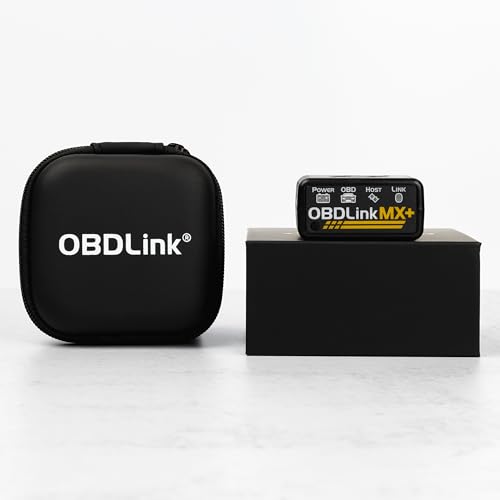
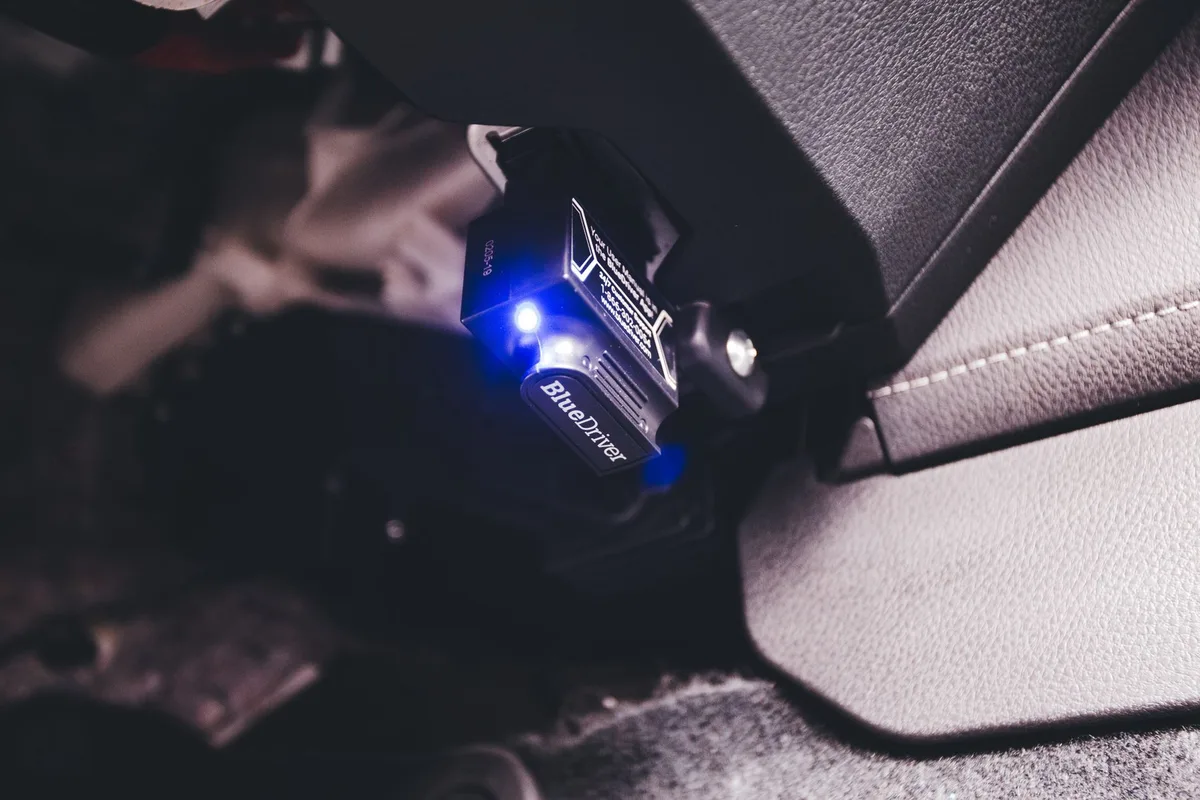
The absolute first thing you need to do is connect an OBD-II scanner to your vehicle’s diagnostic port. This allows you to retrieve any stored DTCs. These codes are generated by the ECM when it detects a fault or an anomaly it can’t resolve. For GDI systems, look for codes related to fuel pressure (like P0087 for low pressure or P0088 for high pressure), fuel pump circuit malfunctions, or specific sensor failures.
Step 2: Analyzing Live Data for Fuel Pressure and Other Metrics
Once you have your DTCs, the next crucial step is to view the live data stream from your scanner. This shows you real-time sensor readings as the engine is running. Pay close attention to:
- Fuel Rail Pressure (FRP): Compare this commanded pressure to the actual pressure reading. Are they matching? Is the pressure abnormally high or low?
- Fuel Pump Command/Duty Cycle: This indicates how hard the ECM is telling the fuel pump to work.
- Engine Speed (RPM): Observe how fuel pressure changes with engine load and RPM.
- Engine Coolant Temperature (ECT) & Intake Air Temperature (IAT): These provide context for overall engine operating conditions.
This live data helps you understand not just that there's a problem, but when and under what conditions it occurs.
Step 3: Testing Sensors and Wiring
If your DTCs and live data point towards a specific sensor or circuit, it’s time for more in-depth testing. You’ll need a multimeter and your vehicle's service manual for specifications. Test the resistance and voltage signals of the relevant sensors, such as the fuel rail pressure sensor. Also, meticulously inspect the wiring harness connected to these components.
Look for any signs of damage, chafing, corrosion, or loose connections at the sensor and ECM terminals. Poor connections are notorious for causing intermittent and baffling issues.
Step 4: Inspecting the High-Pressure Fuel System
If sensors and wiring appear to be in good condition, the focus shifts to the fuel delivery components themselves. This includes the high-pressure fuel pump, fuel filter, and injectors. Diagnosing these can be more involved and might require specialized tools. For example, you might need to perform a fuel pump volume and pressure test, or even a leak-down test on the injectors.
If the protector is consistently triggering for over-pressure, a thorough inspection of the pump and its control mechanism is warranted.
Mistakes to Avoid When Diagnosing GDI Protector Problems
Many folks jump into diagnosing GDI system issues with good intentions but often fall into common traps. Avoiding these pitfalls can save you time, money, and a lot of unnecessary frustration. Understanding what not to do is just as important as knowing what to do.
Jumping to Conclusions on Component Replacement
This is probably the most common and costly mistake. You get a code, you swap the most obvious part, and hope for the best. With GDI systems, multiple components can cause similar symptoms or trigger related codes. For example, a faulty fuel pump might cause low pressure, but so can a clogged filter or a leaky injector.
If you replace the pump without checking the filter and injectors, you might fix one problem only to have another one surface, or the original issue might persist because the underlying cause wasn't addressed. Always follow a logical diagnostic path using codes and live data.
Ignoring Sensor and Wiring Integrity
It's tempting to focus solely on the high-pressure pump or injectors because they're the "big ticket" items. However, as our research shows, problems with sensors and their wiring are incredibly common and can mimic more serious issues. A GDI motor protector relies entirely on accurate information from its sensors. If that information is corrupted by a bad sensor or a damaged wire, the system can't protect itself properly.
Always treat sensor input and wiring integrity as fundamental checks before condemning more complex components.
When to Call the Pros for GDI System Issues
If you've gone through the diagnostic steps and found yourself staring at complex wiring diagrams, dealing with specialized fuel system tools, or simply feeling overwhelmed by the potential for serious damage, it's time to consider professional help. While DIY diagnostics can save money and reveal a lot, some issues with GDI systems and their protectors are best left to experienced automotive technicians. They have the advanced diagnostic equipment and the deep understanding of specific vehicle systems necessary to accurately pinpoint and resolve these complex problems.
Technicians often have access to up-to-date manufacturer repair databases and specialized software that can provide precise guidance for your specific vehicle model. This expertise is invaluable when troubleshooting intermittent faults or when the problem lies deep within the ECM's programming or the intricate workings of the high-pressure fuel pump. Don't hesitate to seek professional assistance if you're not completely comfortable or confident in your diagnostic abilities.
Understanding Related GDI System Components
While the GDI motor protector is a critical safety feature, it doesn't operate in a vacuum. Understanding its relationship with other key components in the GDI system is vital for a complete picture. These components all work together to deliver precise amounts of fuel at incredibly high pressures, and issues with any one of them can impact the protector's function or trigger its activation.
One of the most significant supporting players is the high-pressure fuel pump. This pump is typically engine-driven and responsible for generating the immense pressures required for direct injection. Its output is precisely controlled by the ECM, often based on input from the GDI motor protector's logic. Problems with the pump's mechanical integrity or its control solenoid can directly influence fuel rail pressure, prompting the protector to act.
Another vital element is the fuel filter. GDI systems are exceptionally sensitive to contamination. A clogged fuel filter will restrict fuel flow, potentially leading to low pressure and signaling the protector. Conversely, in some very rare, extreme scenarios, a filter issue could potentially contribute to a pressure buildup if it forces the pump to work excessively hard.
Regular replacement of the fuel filter, as recommended in manufacturer maintenance schedules, is a key preventative measure.
Finally, the fuel injectors themselves are sophisticated electro-mechanical devices designed for direct injection. They must precisely meter and atomize fuel under extreme pressure. Issues like sticky pintle valves, worn seals, or electrical faults within an injector can disrupt fuel delivery, leading to incorrect pressures and potentially triggering the protector.
GDI Motor Protector: Your Engine's Crucial Safeguard
In essence, the GDI motor protector serves as an invisible guardian for the sophisticated and high-stress environment of a Gasoline Direct Injection fuel system. It’s not typically a single, easily identifiable part, but rather an integrated safety protocol within the vehicle's Engine Control Module (ECM). This system acts proactively to prevent catastrophic damage that could otherwise result from sudden and excessive pressure or temperature spikes within the fuel system.
Its primary function is to monitor real-time operating parameters, such as fuel rail pressure, through various sensors. When these readings deviate from the safe operating thresholds defined by the manufacturer, the protector's software logic intervenes. This intervention can manifest in several ways, from reducing fuel pump output to adjusting injector timing, all aimed at restoring stability and preventing harm to expensive components like the high-pressure fuel pump and injectors. As of 2026, these protective algorithms are more refined than ever, contributing to the longevity of modern GDI engines.
What are the most common GDI system problems that trigger the protector?
The most frequent culprits that cause the GDI motor protector to engage often stem from issues with the fuel delivery system itself. High-pressure fuel pump malfunctions are a primary suspect, as a failing pump can either struggle to maintain adequate pressure or, in some failure modes, create dangerous over-pressurization. Equally common are issues with the fuel rail pressure sensor; if this sensor provides inaccurate readings, the ECM might activate the protector unnecessarily or, critically, fail to do so when needed.
Beyond component failures, external factors can also play a role. Problems with the vehicle's electrical system, like a weak battery or corroded connections, can interfere with sensor signals or the ECM's ability to control the fuel pump precisely. Additionally, fuel contamination or a severely clogged fuel filter can create excessive backpressure or strain on the pump, leading to conditions that necessitate protective intervention.
How can I tell if my GDI motor protector is working correctly?
Confirming the correct operation of your GDI motor protector involves a combination of observing engine behavior and performing diagnostic checks. If your engine runs smoothly, maintains consistent power, and the Check Engine Light remains off during normal operation, it's a strong indicator that the protection system is functioning as intended. However, specific issues can arise.
The most definitive way to assess its function is through diagnostic scanning. When the protector intervenes due to an abnormality, it typically logs a Diagnostic Trouble Code (DTC). Retrieving these codes and then examining the live data stream for fuel rail pressure, fuel pump command, and other relevant parameters can reveal if the system is responding appropriately to simulated or actual faults. For example, technicians can sometimes use specialized equipment to simulate over-pressure conditions and observe if the ECM correctly commands a reduction in fuel delivery.
Always consult your vehicle's service manual or a qualified technician for precise testing procedures.