Trying to figure out how to change an air conditioner compressor yourself? You're tackling one of the most complex and dangerous jobs in home HVAC repair. It's not like swapping out a filter or cleaning coils. This task involves high-voltage electricity, hazardous refrigerants, and specialized tools that most homeowners just don't have.
In our research, improper handling of refrigerants, like the commonly used R-410A, can lead to severe injury, environmental damage, and hefty fines from the EPA. The EPA Section 608 certification is specifically required for anyone working with these substances. Let's dig into why this job really needs a professional.
Quick Answer: Should You Change Your AC Compressor Yourself?
No, you absolutely should not try to change your AC compressor yourself. This isn't a DIY project. Changing an air conditioner compressor is a highly specialized task that carries significant risks of severe injury, property damage, and legal penalties. It requires specific training, certifications, and expensive equipment to do safely and correctly.
Instead, we strongly recommend hiring a licensed and certified HVAC professional. They have the expertise to diagnose the problem accurately, handle refrigerants responsibly, and ensure your system operates safely and efficiently after the repair. Attempting this repair without proper knowledge and tools can create more expensive problems than you started with.
The Core of Your AC: What Exactly Does the Compressor Do?
Your AC compressor is the heart of your air conditioning or heat pump system. It's the component that actually pumps the refrigerant through the entire system. Think of it like a muscular pump, working tirelessly to circulate the critical "blood" of your AC.
Here’s how it works:
- Compression: The compressor takes low-pressure, cool refrigerant gas from the evaporator coil inside your home. It then compresses this gas, which dramatically increases its temperature and pressure.
- Circulation: This hot, high-pressure gas is then pushed out to the condenser coil in your outdoor unit. Here, the heat is released into the outside air.
- Phase Change: As the refrigerant cools in the condenser, it changes back into a high-pressure liquid. This liquid then travels back inside to the evaporator coil, where it expands, drops in pressure, and absorbs heat from your indoor air, turning back into a cool gas.
- Continuous Cycle: The compressor keeps this cycle going, continuously moving heat from inside your home to the outside, providing you with cool air.
Without a functioning compressor, the entire cooling cycle stops. Your AC unit might still turn on, but it won't actually cool your home. The type of compressor your unit has, whether it's a scroll compressor (most common today), reciprocating, or rotary, dictates how it performs this vital job.
Spotting Trouble: Signs Your AC Compressor Might Be Failing
A failing compressor often gives clear warning signs before it completely quits. Catching these early can sometimes prevent further damage to your entire HVAC system.
Here’s what to look for:
- No Cool Air: This is the most obvious sign. Your AC unit runs, you hear the fan, but the air coming from the vents isn't cold. If the compressor isn't circulating refrigerant, there's no cooling.
- Loud Noises: A healthy compressor runs with a low hum. If you start hearing grinding, rattling, clanking, or a sudden loud screeching noise (often called a "hard start" or "compressor seizure"), it's a huge red flag. These sounds often indicate internal mechanical failure.
- Tripping Circuit Breakers: If your AC unit keeps tripping the circuit breaker, especially when it tries to start, it could be a sign the compressor is drawing too much electrical current due to an internal short or a hard start.
- Leaking Refrigerant: While leaks can happen anywhere in the system, a compressor failure can sometimes be linked to a refrigerant leak. You might notice ice forming on the refrigerant lines or a decline in cooling performance.
- System Refuses to Start: Sometimes, a completely failed compressor won't allow the outdoor unit to start at all. The thermostat might be calling for cool, but nothing happens outside. This can also be a capacitor issue, but a technician can differentiate.
- High Utility Bills: If your AC is running constantly but not cooling effectively, or if your energy bills suddenly spike without a change in usage, an inefficient or struggling compressor could be the culprit. It's working harder to do less.
If you notice any of these symptoms, it's time to call an HVAC professional for a proper diagnosis. Don't let it linger, as continued operation with a failing compressor can damage other components, like the condenser fan motor or the contactor.
Compressor Failure: Why It Happens (And What It Means for Your System)
Compressors are built to be tough, but they don't last forever. Several issues can lead to their demise, and understanding these can help you avoid certain problems in the future. When a compressor fails, it typically means a significant interruption in your home's cooling.
Common Causes of Compressor Burnout and Damage
- Overheating: This is a big one. Lack of airflow around the outdoor unit, dirty coils, or an incorrect refrigerant charge can cause the compressor to overheat. Excessive heat can break down the compressor oil, damaging internal components.
- Electrical Issues: Problems like a faulty run capacitor, a weak contactor, or voltage fluctuations (brownouts, power surges) can prevent the compressor from starting properly or cause it to draw too much current, leading to electrical burnout of its motor windings.
- Refrigerant Contamination: If moisture, air, or debris gets into the refrigerant lines, it can mix with the compressor oil and form acids or sludge. This corrosive mixture significantly reduces lubrication and can lead to mechanical failure.
- Loss of Lubrication: The compressor oil keeps all the moving parts running smoothly. A refrigerant leak can lead to oil loss, or contamination can degrade the oil, causing increased friction and wear.
- Liquid Slug or Floodback: Refrigerant is supposed to enter the compressor as a gas. If too much liquid refrigerant returns (often due to an overcharged system or an issue with the metering device), it can't be compressed and can damage the internal parts like pistons or scrolls.
- Age and Wear: Like any mechanical device, compressors simply wear out over time. Internal components develop fatigue, seals degrade, and efficiency drops. Most compressors last between 10 to 15 years, as of 2026, though some can go longer with proper maintenance.
When a compressor "burns out," it often means an electrical short in the motor windings. This can also contaminate the entire refrigerant system with acidic sludge, requiring extensive cleaning (flushing) of all the lines and components to prevent the new compressor from failing too.
The Real Dangers: Why DIY Compressor Replacement is Extremely Risky
Let's be absolutely clear: attempting to change an AC compressor yourself is incredibly dangerous. This isn't just about whether you can figure out the wiring; it's about serious health risks, potential environmental damage, and legal consequences. We cannot stress this enough.
Electrical Hazards and Electrocution
HVAC systems, especially the outdoor condenser unit, operate on high voltage. This can be 240 volts or more, which is easily enough to cause electrocution. Even with the power disconnected at the breaker, internal capacitors can store a lethal electrical charge for a long time, so they need to be safely discharged. Without proper knowledge and tools, you're putting yourself at extreme risk of severe injury or death.
Refrigerant Dangers: Chemical Burns, Poisoning, and Environmental Harm
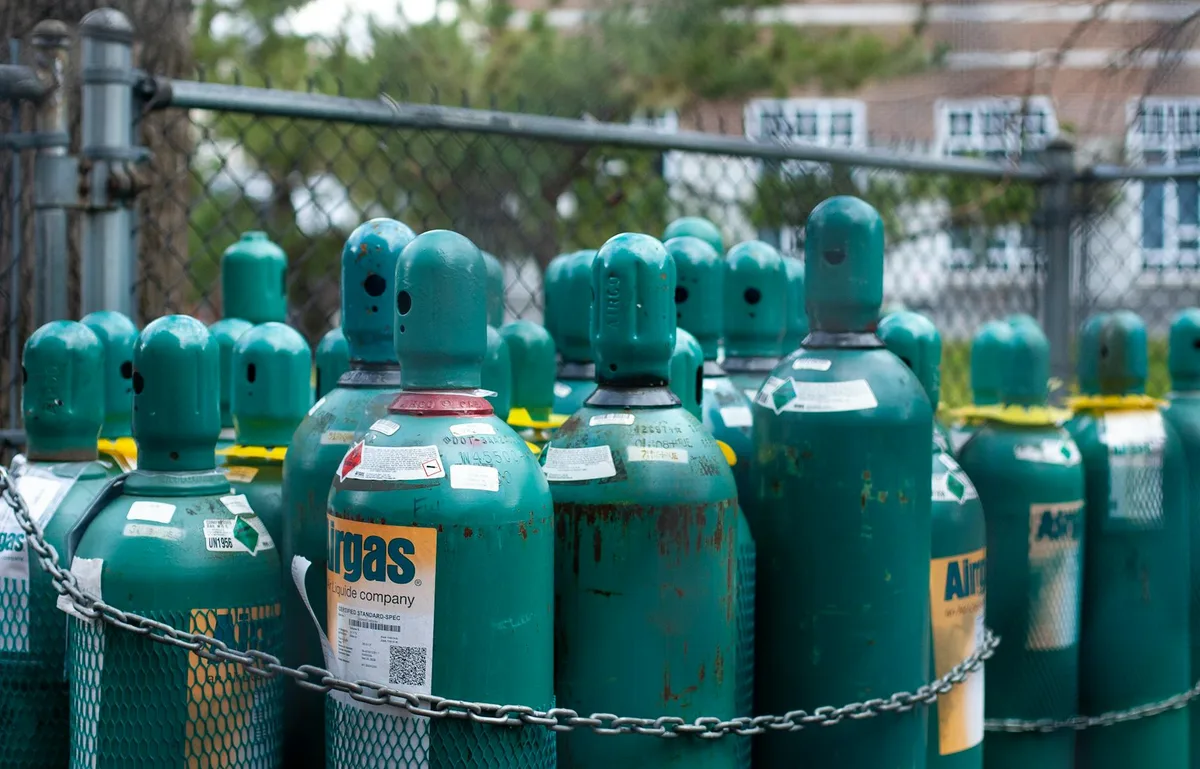
Refrigerants like R-410A are under high pressure. If accidentally released, they can cause severe chemical burns or frostbite to your skin and eyes. Inhaling large amounts of refrigerant can lead to oxygen deprivation and even death. It’s also illegal to release refrigerants into the atmosphere.
The Environmental Protection Agency (EPA) heavily regulates refrigerant handling because these chemicals contribute to ozone depletion and climate change. You need specialized equipment, like a refrigerant recovery machine and vacuum pump, and an EPA Section 608 certification to legally and safely handle these substances.
System Damage and Costly Mistakes
Replacing a compressor involves intricate steps, including correctly sizing the new compressor, brazing copper lines, performing a nitrogen pressure test for leaks, and accurately charging the system with the precise amount of refrigerant by weight. Incorrect installation can lead to immediate failure of the new compressor, or it can severely damage other expensive components like the evaporator coil, reversing valve, or the entire condensing unit. This turns a costly repair into an even more expensive full system replacement.
Legal Penalties and Warranty Issues
As mentioned, releasing refrigerants carries significant fines from the EPA. Furthermore, many HVAC manufacturers will immediately void the warranty on your new compressor or entire unit if it's not installed by a licensed and certified professional. This means if anything goes wrong, you're on the hook for the full cost of repairs or replacement, which can be thousands of dollars.
What a Professional Compressor Replacement Actually Involves
A professional compressor replacement is a meticulous, multi-step process that ensures the integrity and longevity of your entire HVAC system. It's much more than just swapping out a part. Each step is critical for safety and system performance.
Here's a breakdown of what a certified HVAC technician will do:
Diagnosis and System Flushing
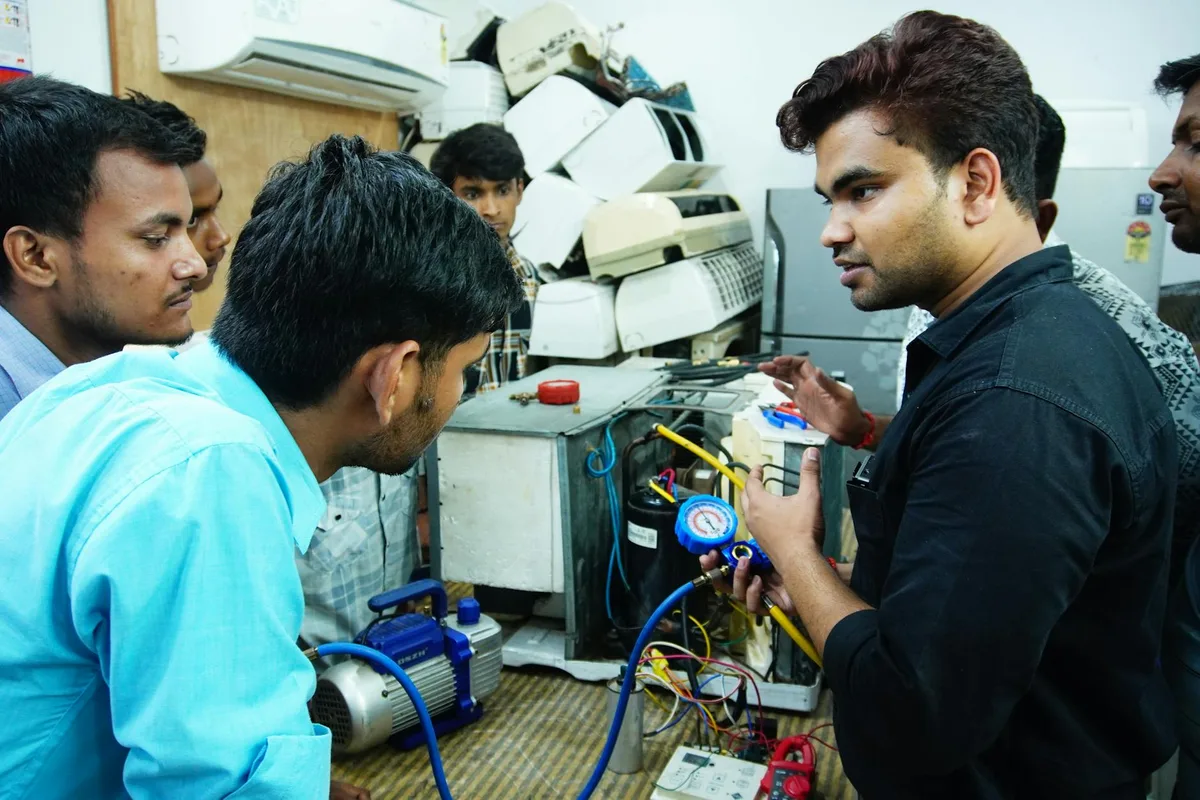
First, the technician will confirm that the compressor is indeed the problem. They'll perform a thorough diagnosis using specialized tools like manifold gauges and an amp clamp meter to check electrical readings and refrigerant pressures. If the compressor has failed due to burnout, the system will need flushing. This involves circulating a cleaning agent, often nitrogen, through the refrigerant lines and evaporator coil to remove any acidic contaminants or sludge.
This is vital to prevent the new compressor from failing prematurely.
Safe Refrigerant Handling and Evacuation
Next, all existing refrigerant in the system must be safely recovered. An EPA-certified technician uses a dedicated refrigerant recovery machine to pump the refrigerant into a specialized tank. This prevents its release into the atmosphere, complying with environmental laws. Once the system is empty of refrigerant, a vacuum pump pulls all non-condensable gases and moisture out of the lines, creating a deep vacuum.
This ensures the system is completely clean and dry before the new compressor is installed.
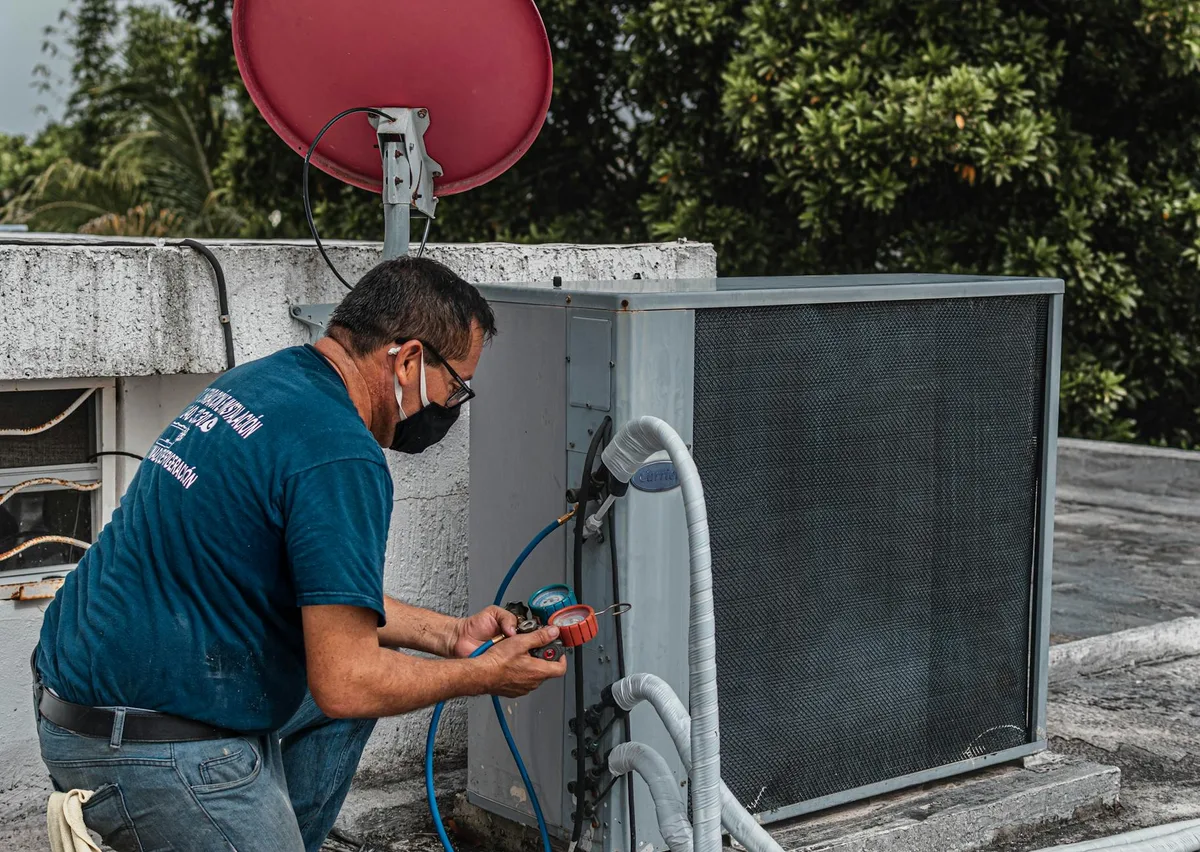
Brazing, Vacuuming, and Charging
The old compressor is carefully removed, and the new one is installed. This often involves brazing (a high-temperature soldering process) new copper connections, which requires a specialized torch and expertise to create leak-proof joints. After the new compressor is in place and connections are sealed, the system is again evacuated to a deep vacuum to remove any air or moisture introduced during the installation. Finally, the correct type and precise amount of refrigerant, as specified by the manufacturer, is charged into the system using an accurate refrigerant scale.
An incorrect charge, even by a few ounces, can drastically reduce efficiency and shorten the new compressor's life.
System Startup and Performance Testing
Once the system is charged, the technician will restart the unit and meticulously monitor its performance. They'll check crucial metrics like suction and discharge pressures, superheat and subcooling temperatures, and electrical current draw. This ensures the new compressor is operating within manufacturer specifications. They'll also perform a leak detection test around all new connections using an electronic leak detector or soap bubbles to confirm no refrigerant is escaping.
This comprehensive testing guarantees optimal performance and catches any potential issues immediately.
Costs Involved: Compressor Replacement vs. New AC Unit
Deciding whether to replace your AC compressor or invest in a brand-new air conditioning unit is a common dilemma. It's a significant financial decision, and understanding the costs involved can help you make an informed choice with your HVAC professional.
Compressor Unit Cost and Labor
The cost of replacing an AC compressor typically ranges, in aggregate technician reports, from $1,800 to $3,500, though this can vary widely based on the compressor type (e.g., scroll, variable-speed), the specific refrigerant (R-410A vs. R-22, which requires additional handling), and regional labor rates. This price generally includes the cost of the new compressor itself, the specialized labor involved in recovery, flushing, installation, brazing, vacuuming, and recharging, plus any necessary replacement of components like the filter-drier.
Factors influencing this cost include:
- Compressor Type: Variable-speed or inverter compressors are usually more expensive than single-stage scroll compressors.
- Refrigerant: Systems using older R-22 refrigerant can incur higher costs due to its scarcity and strict handling requirements.
- System Contamination: If the old compressor suffered a "burnout," the entire system might need extensive flushing, adding to labor and material costs.
- Warranty: If the existing compressor is still under warranty, you might only pay for labor and refrigerant, significantly reducing your out-of-pocket expense.
The Case for a Full System Replacement
Sometimes, replacing the entire AC unit, or at least the outdoor condenser unit, makes more financial sense than just replacing the compressor. This is often the case if:
- Your System is Old: If your AC unit is nearing or beyond its typical lifespan of 10-15 years, other components (like the evaporator coil or condenser coil) might be close to failing too. Investing in a new compressor for an aging system can be throwing good money after bad.
- Inefficiency: Older units have lower Seasonal Energy Efficiency Ratio (SEER) ratings. A new AC unit, as of 2026, will likely have a SEER rating of 13 or higher (or SEER2 13.4 for split systems in many regions), offering significantly better energy efficiency and lower utility bills.
- Multiple Failures: If you've had multiple significant repairs on your AC system in recent years, it might be a sign that the entire unit is degrading, making a full replacement a more prudent long-term solution.
- Matching Components: For optimal performance and efficiency, all major HVAC components (condenser, evaporator, furnace) should be properly matched. If you replace only the compressor, but the indoor unit is old and incompatible with modern refrigerants or efficiency standards, you might not get the best performance.
Your HVAC professional can help you weigh these factors, providing a detailed breakdown of costs and projected savings to guide your decision. They'll consider your existing system's age, overall condition, and your energy goals.
When to Call the Pros: Why Expert Help is Non-Negotiable
The decision to call a professional for AC compressor work isn't just a recommendation; it's a necessity rooted in safety, legality, and the complex engineering of your HVAC system. This isn't a task for the handy homeowner.
EPA 608 Certification and Specialized Tools
Certified HVAC technicians possess the mandatory EPA Section 608 certification, which is legally required to handle refrigerants. This certification demonstrates they've passed tests on safe refrigerant recovery, recycling, and disposal practices. They also have access to and are trained to use expensive, specialized tools that are crucial for the job, including:
- Refrigerant recovery machines: To safely capture and store refrigerants.
- Vacuum pumps: To evacuate the system of air and moisture.
- Manifold gauges: For accurate pressure readings and system diagnostics.
- Brazing torches and materials: For strong, leak-proof copper line connections.
- Electronic leak detectors: To pinpoint tiny refrigerant leaks that are otherwise undetectable.
- Refrigerant scales: To ensure precise refrigerant charging by weight.
Without these tools and certifications, you simply can't perform the job safely, legally, or effectively.
Comprehensive System Diagnosis
An experienced professional does more than just replace a part. They perform a comprehensive diagnosis of your entire HVAC system. They can identify if the compressor failure was a symptom of a larger underlying issue, like a clogged metering device, a failing fan motor, or ductwork problems. Addressing the root cause prevents repeated compressor failures.
They'll also check other critical components like the contactor, run capacitor, and thermostatic expansion valve (TXV), ensuring they are all in good working order and compatible with the new compressor.
Ensuring Warranty Compliance
As we touched on earlier, manufacturers' warranties for new compressors or entire HVAC units are almost always contingent on professional installation. This isn't just a formality; it's because incorrect installation is a leading cause of premature failure. A licensed professional will ensure all steps are followed according to manufacturer specifications, preserving your warranty and protecting your investment. If something goes wrong with the new compressor, you'll be covered, saving you from significant out-of-pocket expenses.