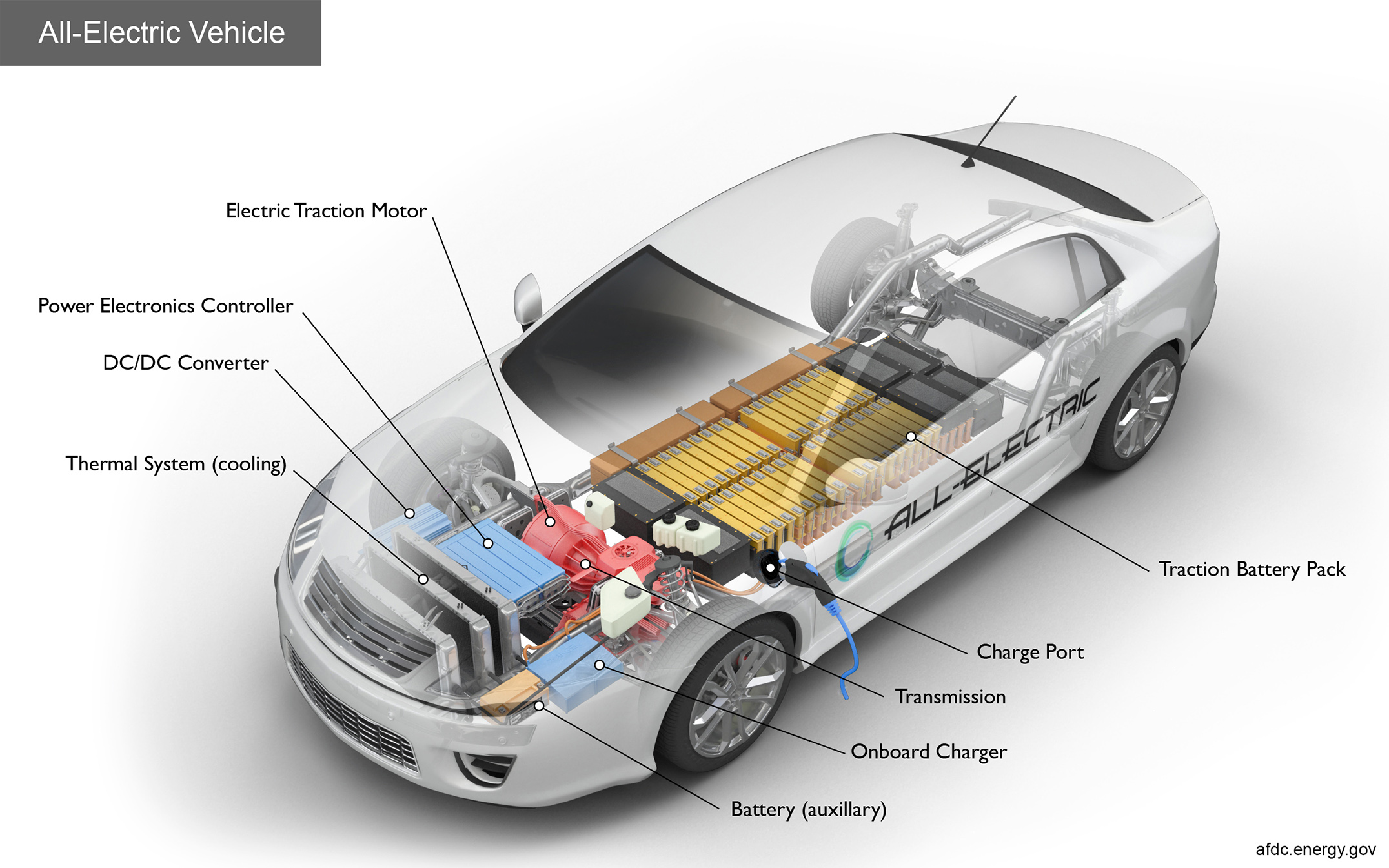
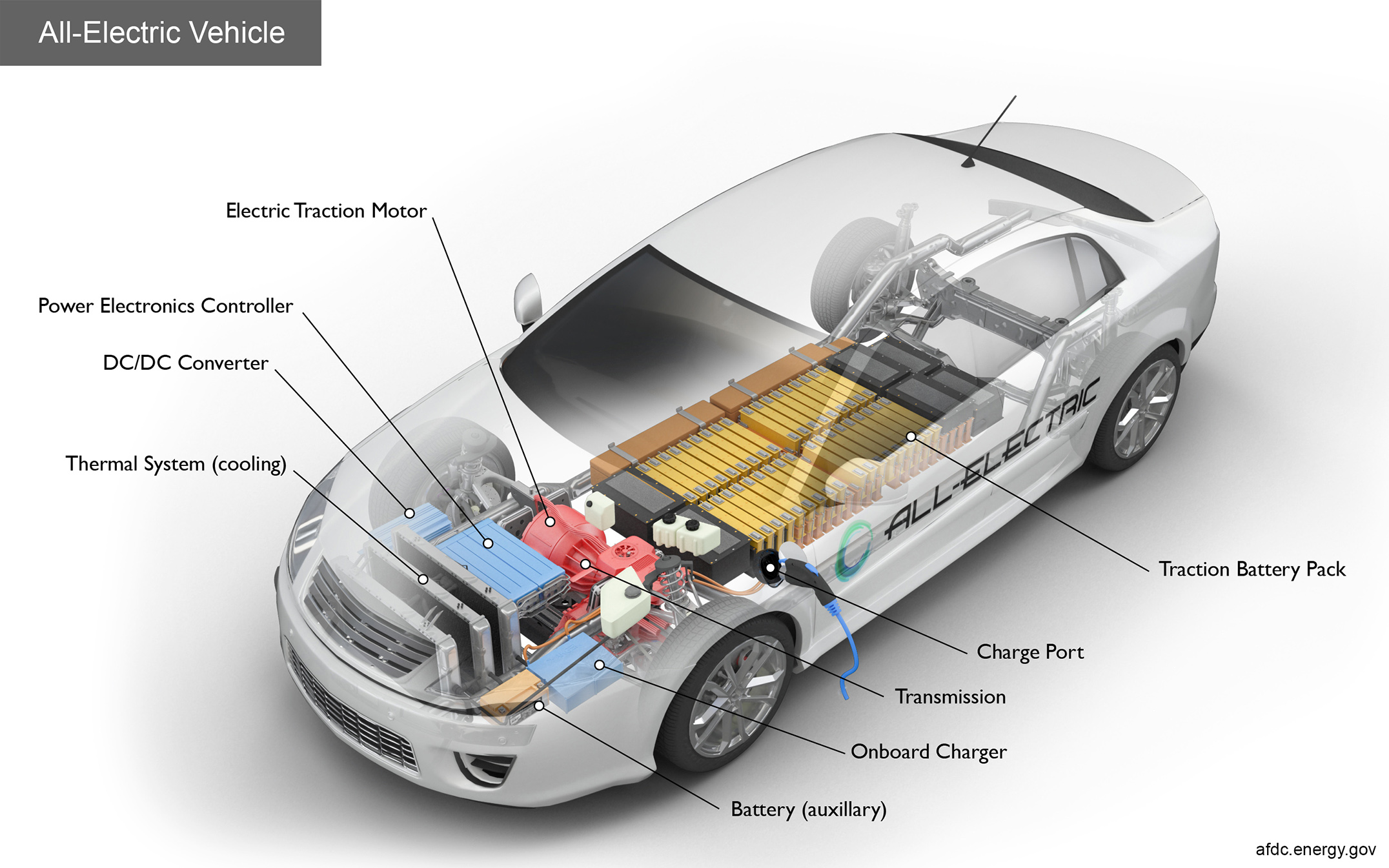
Most electric cars run on lithium-ion batteries, which are lightweight, rechargeable, and built to store a lot of energy.
If you've ever wondered what powers an electric vehicle (EV) and why it matters for your next car purchase, you're in the right place. I've spent years digging into EV tech, from test-driving the latest models to chatting with engineers who design these systems. I'll walk you through the different battery types used in EVs, how they work, and what makes them tick. By the end, you'll know exactly what batteries electric cars use and why that knowledge can help you make smarter choices.
What Type of Batteries Do Electric Cars Use
The vast majority of electric cars on the market today rely on lithium-ion batteries. These batteries have become the gold standard because they pack a lot of energy into a small space, last a long time, and can be recharged thousands of times. Think of them as the rechargeable powerhouses behind your smartphone, but scaled up to move a two-ton vehicle down the highway.
Lithium-ion batteries work by moving lithium ions between two electrodes (an anode and a cathode) through a liquid or gel electrolyte. When you plug in your car, the ions flow one way to store energy. When you drive, they flow the other way to release that energy and power the motor. It's a simple idea with some really clever chemistry behind it.
While lithium-ion dominates, there are other battery chemistries worth knowing about, especially as the industry evolves. Let's break them down.
Common EV Battery Chemistries Explained
Not all lithium-ion batteries are the same. Automakers tweak the chemistry to balance performance, cost, safety, and energy density. Here are the most common types you'll find in electric cars today.
Lithium Nickel Manganese Cobalt Oxide (NMC)
- Offers a great mix of energy density, range, and lifespan
- Used by many European and American automakers like BMW, Volkswagen, and Ford
- Contains cobalt, which raises some ethical and cost concerns
Lithium Iron Phosphate (LFP)
- More affordable and longer-lasting than NMC
- Less prone to overheating, making it safer
- Slightly lower energy density, so it's often used in standard-range models or entry-level EVs
- Popular in China and increasingly in Tesla's standard-range vehicles
Lithium Nickel Cobalt Aluminum Oxide (NCA)
- High energy density for longer driving range
- Used by Tesla in partnership with Panasonic
- Slightly less stable than other chemistries, requiring advanced cooling systems
Lithium Manganese Oxide (LMO)
- Older chemistry, sometimes used in hybrid vehicles
- Lower energy density but good power output
- Often blended with other materials to improve performance
Solid-State Batteries (Emerging Tech)
- Use a solid electrolyte instead of liquid, which could boost safety and energy density
- Still mostly in the research and development phase
- Promises faster charging and longer range once it hits the market
Nickel-Metal Hydride (NiMH)
- Found in older hybrid vehicles like the Toyota Prius (early generations)
- Being phased out in favor of lithium-ion for fully electric models
Why Lithium-Ion Batteries Dominate the EV Market
Lithium-ion didn't win the EV race by accident. It earned that spot by solving some big problems that earlier battery types couldn't handle. Here's why it's the go-to choice for most electric cars today.
High Energy Density
Energy density measures how much energy a battery can store relative to its weight. Lithium-ion batteries store more energy per pound than older technologies like lead-acid or NiMH. That means you get longer driving range without adding a massive battery pack that weighs the car down.
For example, a typical lithium-ion EV battery might store 250 to 300 watt-hours per kilogram. Older lead-acid batteries, the kind that start your gas-powered car, manage only about 30 to 50 watt-hours per kilogram. That's a huge difference when you're trying to power a vehicle for hundreds of miles.
Long Lifespan and Cycle Life
EV batteries are designed to last. Most modern lithium-ion batteries can handle 1,000 to 2,000 full charge cycles before their capacity drops to around 80 percent of the original. If you drive 12,000 miles a year and your car gets 250 miles per charge, you're looking at 8 to 16 years of usable life before you might notice significant range loss.
I remember talking to an early Tesla Model S driver who hit 200,000 miles on his original battery with only about 12 percent degradation. That's not just good engineering; it's a testament to how far lithium-ion tech has come.
Fast Charging Capabilities
Nobody wants to wait 12 hours to recharge their car. Lithium-ion batteries can accept a fast charge much more readily than older chemistries. With DC fast chargers, some EVs can go from 10 percent to 80 percent charge in just 20 to 40 minutes. That's about as long as a lunch break, which makes road trips much more practical.
The chemistry allows lithium ions to move quickly without causing too much wear on the battery, especially when managed by a smart battery management system (BMS). That system keeps the cells at the right temperature and prevents overcharging.
Declining Costs
Back in 2010, a lithium-ion battery pack cost around $1,200 per kilowatt-hour. Today, prices have dropped to roughly $130 to $150 per kilowatt-hour, according to industry benchmarks. That's a massive drop in just over a decade, and it's one of the main reasons EVs are becoming more affordable.
When I first started following EVs, only early adopters could justify the cost. Now, with battery prices falling, mainstream models like the Chevy Equinox EV and Tesla Model 3 are within reach for average buyers.
How EV Batteries Are Structured and Managed
An electric car battery isn't just one giant cell. It's actually a complex system made up of thousands of smaller cells, carefully arranged and managed. Understanding this structure helps you appreciate the engineering behind your EV.
Battery Cells, Modules, and Packs
Cells are the basic building blocks. Each one produces around 3.6 to 4.2 volts, depending on the chemistry and charge level. A single cell looks a bit like a large AA battery, though there are different shapes (cylindrical, prismatic, and pouch).
Modules are groups of cells connected together and housed in a protective case. They make it easier to manage voltage and temperature across the pack.
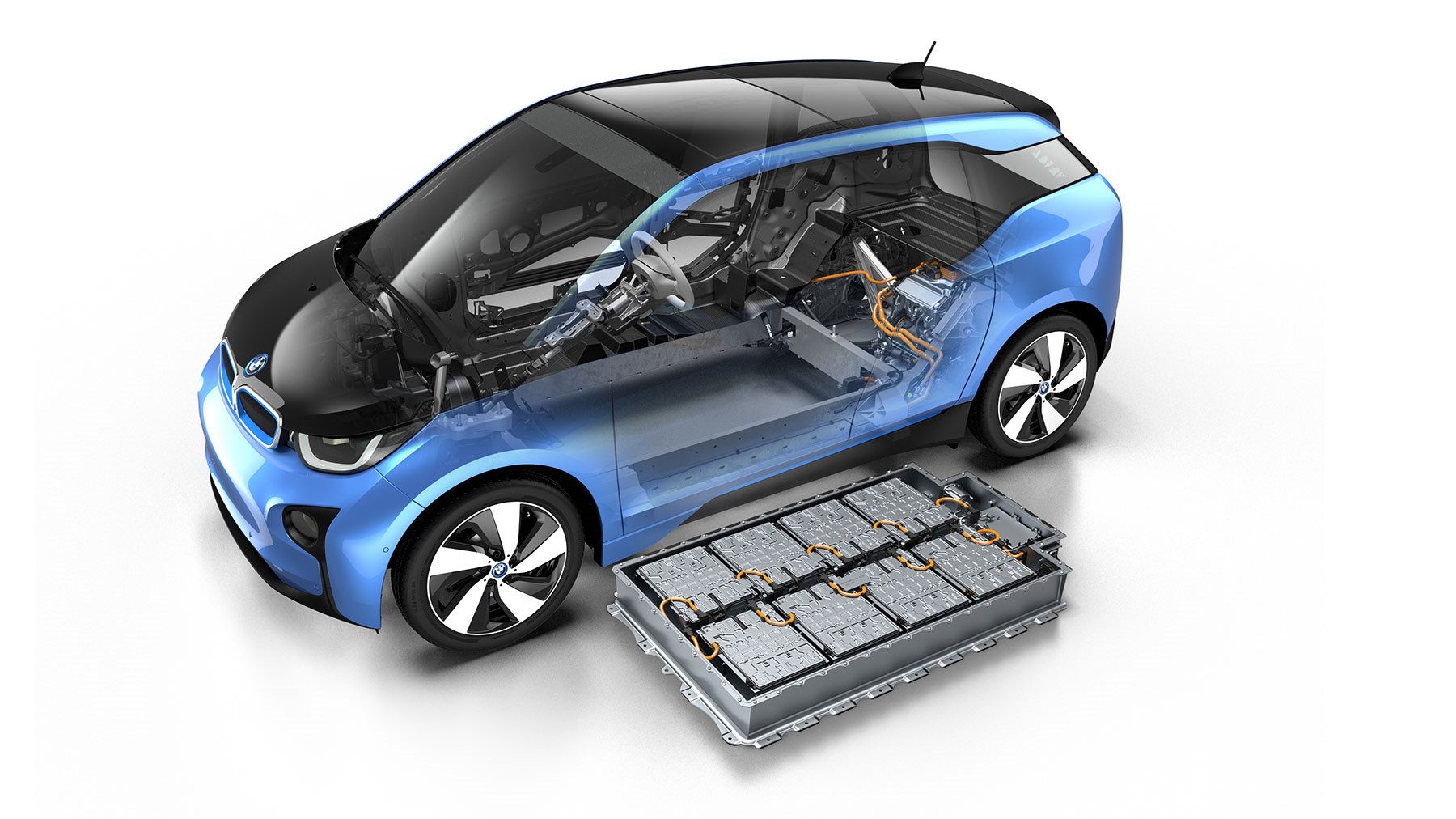
Packs are the full battery assembly that sits under the floor of your EV. A typical pack might contain hundreds to thousands of cells, depending on the vehicle's size and range goals.
For example, a Tesla Model 3 Long Range uses about 4,400 individual 2170 cells arranged in modules within the pack. That sounds like a lot, but the system is designed so that if one cell fails, it doesn't take the whole pack down with it.
Battery Management System (BMS)
The BMS is the brain of the battery pack. It monitors each cell's voltage, temperature, and state of charge, and it balances the cells to make sure they all work together efficiently. Without a good BMS, you'd have cells overcharging, overheating, or wearing out faster than others.
From my experience working with EV systems, the BMS is one of the most important (and least talked about) parts of the car. A well-designed BMS can extend battery life by years, while a poor one can cause early degradation.
Thermal Management
Batteries don't love extreme temperatures. Too hot, and they degrade faster or even pose a safety risk. Too cold, and their performance drops, reducing your range in winter. That's why most EVs use liquid cooling systems to keep the battery at an ideal temperature, usually around 20 to 40 degrees Celsius.
Some entry-level EVs use air cooling, which is cheaper but less effective. If you live in a hot climate or frequently fast-charge, liquid cooling is a feature worth prioritizing.
Comparing Battery Types Across Popular EV Models
Let's look at how different automakers approach this. Not every EV uses the same battery chemistry, and your choice can affect range, cost, and even how you charge.
| Brand/Model | Battery Chemistry | Notable Features |
|---|---|---|
| Tesla Model 3 Long Range | NCA | High energy density, long range |
| Tesla Model 3 Standard Range | LFP | Lower cost, longer cycle life |
| Chevy Equinox EV | LFP or NMC (varies) | Affordable, practical range |
| Ford Mustang Mach-E | NMC | Balanced performance |
| Hyundai Ioniq 5 | NMC | Fast charging capability |
| BYD Seal | LFP | Blade battery design, improved safety |
Notice how Tesla uses different chemistries for different trim levels? That's because LFP makes sense for standard-range cars where cost matters more than maximum range, while NCA or NMC shines when you need every extra mile.
I had the chance to drive both LFP and NMC versions of the Tesla Model 3 back-to-back. The NMC version had a noticeably longer range, but the LFP version felt just as peppy and could be charged to 100 percent daily without as much degradation concern. For city driving, LFP was actually the smarter pick.
Challenges and Limitations of Current EV Batteries
Even with all the progress, EV batteries still face some real challenges. Being honest about these limitations helps you make a more informed decision.
Range Anxiety and Real-World Driving
Most modern EVs offer 250 to 350 miles of range on a full charge, which covers daily driving for most people. But highway driving, cold weather, and heavy use of accessories like heating can cut it by 20 to 40 percent. If you're planning long road trips, you'll still need to plan your charging stops.
Charging Infrastructure
While charging networks are growing fast, they're not as universal as gas stations. In some rural areas, finding a fast charger can still be a challenge. Home charging solves most of this, but not everyone has a garage or dedicated parking spot.
Battery Degradation Over Time
All batteries lose capacity as they age. How fast depends on chemistry, usage, and care. Extreme heat, frequent fast charging, and keeping the battery at 100 percent charge for long periods can speed up degradation. That said, most EVs still have 70 to 80 percent capacity after 8 to 10 years, which is plenty for daily use.
Raw Material Sourcing
Lithium, cobalt, and nickel are key ingredients, and mining them raises environmental and ethical concerns. Cobalt in particular has been linked to problematic labor practices in some regions. Automakers are working on reducing or eliminating cobalt, with LFP batteries being one solution.
Recycling and End-of-Life
What happens when an EV battery reaches the end of its useful life in a car? It can be repurposed for stationary energy storage (like solar backup systems) or recycled to recover valuable materials. Recycling infrastructure is still scaling up, but it's an area of intense focus and innovation.
The Future of EV Battery Technology
What's coming next could change everything. Here's a peek at where battery tech is headed.
Solid-State Batteries
Solid-state batteries replace the liquid electrolyte with a solid one, which could boost energy density by 30 to 50 percent, slash charging times, and reduce fire risk. Companies like Toyota, QuantumScape, and Samsung are investing heavily. We might see limited production by the late 2020s, with mass adoption in the early 2030s.
Sodium-Ion Batteries
Sodium-ion is a promising alternative because sodium is far more abundant and cheaper than lithium. Energy density is lower, so it's likely to show up first in entry-level EVs or stationary storage. CATL and BYD are already working on this tech.
Improved Recycling Processes
New hydrometallurgical and direct recycling methods can recover over 95 percent of key materials like lithium, cobalt, and nickel. As more batteries reach end-of-life, these closed-loop systems will reduce the need for new mining.
Better Thermal Management
Future batteries will likely use immersion cooling or advanced phase-change materials to keep temperatures even more stable, allowing for faster charging without degradation.
From what I've seen at industry conferences, the next five years will bring more battery innovation than the last twenty. If you're on the fence about buying an EV, waiting a bit might get you even better tech. But today's batteries are already remarkably capable.
How to Choose the Right EV Battery for Your Needs
Picking the right battery comes down to how you drive and what you value most. Here are some practical tips based on real-world experience.
For Daily Commuters
- LFP batteries are a great fit if you mostly drive in the city and can charge at home
- Lower cost and long cycle life make them economical
- You won't miss the extra range if you rarely take long trips
For Road Trippers
- NMC or NCA batteries offer the longest range
- Look for models with 300+ miles of EPA-rated range
- Make sure the car supports fast charging at 150 kW or higher
For Cold Climates
- Heat pump systems help preserve range in winter
- Batteries with active liquid thermal management perform better in extreme cold
- Preconditioning while plugged in can make a big difference
For Budget Shoppers
- Standard-range LFP models are often the most affordable
- Consider total cost of ownership: EVs generally have lower maintenance and fuel costs
- Federal and state tax credits can knock thousands off the price
For Performance Enthusiasts
- High-energy-density chemistries support faster acceleration
- Look for 800V architectures for ultra-fast charging
- Dual-motor setups draw more power, so a robust battery pack matters
A friend of mine recently bought a Chevy Bolt EUV with an LFP battery. He drives 40 miles a day, charges at home overnight, and hasn't touched a public charger in months. Total cost of ownership is already beating his old Honda Civic. For him, LFP was the perfect choice.
Tips to Extend Your EV Battery's Life
A little care goes a long way. Here are some simple habits that can help your battery last longer.
- Avoid regularly charging to 100 percent. Stay within 20 to 80 percent for daily driving.
- Minimize frequent DC fast charging. Use it for road trips, not everyday top-ups.
- Park in the shade or a garage during extreme heat.
- Use scheduled charging to finish right before you drive, rather than letting the battery sit at a high state of charge.
- Keep the battery above 20 percent when possible, especially in cold weather.
- Follow the manufacturer's maintenance recommendations for the thermal system.
I've followed these habits with my own EV, and after three years, the battery has lost only about 3 percent capacity. It really does make a noticeable difference over time.
Environmental Impact of EV Batteries
EVs are cleaner than gas cars over their lifetime, even when you factor in battery production. But that doesn't mean there aren't areas to improve.
Manufacturing Footprint
- Producing a battery generates more CO2 than making a gas engine
- However, this is offset within 1 to 2 years of driving on clean electricity
Resource Extraction
- Mining lithium and nickel has environmental costs
- Recycling and sodium-ion tech will reduce this over time
Energy Source Matters
- An EV charged on solar or wind has a much smaller carbon footprint than one charged on coal
- Grid is getting cleaner every year, which further improves EV sustainability
Second-Life Applications
- Used EV batteries can power homes, businesses, or the grid
- Companies like Nissan and BMW already run second-life energy storage projects
Frequently Asked Questions
What is the most common battery used in electric cars?
Lithium-ion batteries are the most common, especially variants like NMC, NCA, and LFP. They dominate because of their high energy density, long lifespan, and ability to charge quickly.
Are all electric car batteries the same?
No. Different automakers use different chemistries. For example, Tesla uses NCA for long-range models and LFP for standard-range. Hyundai and Kia use NMC, while BYD specializes in LFP with its Blade Battery.
How long do electric car batteries last?
Most EV batteries last 8 to 15 years or 100,000 to 200,000 miles before capacity drops to around 70 to 80 percent. Many automakers offer 8-year or 100,000-mile warranties on battery packs.
Can EV batteries be recycled?
Yes. EV batteries can be recycled to recover lithium, cobalt, nickel, and other materials. Recycling infrastructure is growing, and new processes can recover over 90 percent of key materials.
Are solid-state batteries coming soon?
Solid-state batteries are in late-stage development. Limited production could start by 2027 to 2030, with mass-market availability expected in the early 2030s. They promise longer range, faster charging, and improved safety.

Making Sense of EV Batteries for Your Next Car
Electric car batteries have come a long way in a short time. Lithium-ion chemistry, especially the NMC, NCA, and LFP variants, powers nearly every EV on the road today. These batteries deliver impressive range, long lifespans, and increasingly fast charging, all while costs continue to drop.
If you're shopping for an EV, think about your driving habits. Do you need maximum range for road trips, or will a standard-range LFP model cover your daily needs? How important is charging speed? What climate do you live in? Answering these questions will point you toward the right battery chemistry and vehicle.
The future looks even brighter. Solid-state batteries, sodium-ion alternatives, and better recycling methods are all on the horizon. Today's EVs are already great, but what's coming next could make them even more practical and affordable.
I'd encourage you to test drive a few different EVs and ask dealerships about battery chemistry and warranty terms. Once you experience instant torque, quiet rides, and never visiting a gas station again, you'll understand why so many drivers are making the switch. If you have questions about a specific model or want to share your experience, drop it in the section below. I love hearing from fellow EV enthusiasts.