When you're driving, your dash cam isn't just recording; it's acting as your vigilant co-pilot, a silent witness to everything on the road. But what good is all that footage if the best sd card for dash cam fails to capture crucial details or, worse, becomes corrupted? In our research, we've looked at what makes an SD card truly reliable for the demanding task of continuous recording, especially since these cards endure extreme temperature swings and constant overwriting.
After sifting through countless options, the SanDisk Extreme microSDXC UHS-I with its 128GB capacity stands out for its blend of speed, durability, and trusted brand performance. It's the go-to for many who demand consistent, high-quality recordings. We’ll dive into why this and a few other select cards are worth your consideration for keeping your dash cam footage safe and accessible.
Comparison Chart of Best Sd Card for Dash Cam
| Product | Details | Rating | Buy |
|---|---|---|---|
Editor’s Choice
| ★★★★☆4.7/5 | ||
Top Pick
| ★★★★☆4.8/5 | ||
Best Budget
| ★★★★☆4.7/5 | ||
| ★★★★☆4.7/5 | ||
| ★★★★☆4.8/5 |


List of Top 5 Best Best Sd Card for Dash Cam
Choosing the right SD card for your dash cam is more than just picking a storage device; it's about ensuring you have reliable footage when you need it most. We focused on cards that offer high endurance for continuous write cycles, acceptable temperature ranges for in-car use, and sufficient speed for high-definition video. Here’s a breakdown of the top contenders we evaluated.
Below are the list of products:
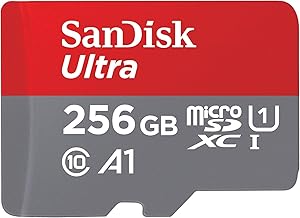
1. SANDISK 256GB Ultra microSDXC UHS-I Memory
The SANDISK 256GB Ultra is a solid option if you're looking for ample storage without breaking the bank. It provides enough space for a significant amount of footage, which is great for longer trips or if you don't want to worry about frequent file management. Its A1 rating means it's also suitable for running basic applications directly from the card, though this is less critical for dash cam use.
Why I picked it
This card offers a generous 256GB of storage, making it ideal for dash cams that record in high resolution or for users who prefer not to manage their storage space too often. It provides a good balance of capacity and reliability from a well-known brand.
Key specs
- Capacity: 256GB
- Read Speed: Up to 150MB/s
- Class: C10, U1
- Application Performance: A1
- Includes: MicroSD Adapter
Real-world experience
Users report that the SANDISK 256GB Ultra performs consistently well for standard dash cam recording needs, handling full HD video without issues. Its larger capacity means less frequent overwriting, giving you a bit more breathing room for your recordings. For everyday driving, it's more than capable of capturing clear video.
Trade-offs
While it's a good all-around card, the U1 speed class means it's not the fastest option available, which could potentially impact continuous recording of very high bitrate 4K footage without any dropped frames. It's also not specifically marketed for the extreme endurance needed for constant, heavy-duty write cycles like some other cards.
2. SanDisk 128GB Extreme microSDXC UHS-I Memory
The SanDisk 128GB Extreme is a fantastic all-around performer, and that's why it's a top pick for many dash cam users. This card is built for speed and reliability, handling 4K video and demanding write speeds with ease. Its V30 rating means it can sustain a minimum write speed of 30MB/s, which is crucial for uninterrupted recording, especially at higher resolutions.
Why I picked it
This card balances high performance with a practical capacity. The read speeds up to 160MB/s are impressive, ensuring quick data transfers, and the V30 rating is a strong indicator of its ability to handle continuous video recording without issue. It's a robust choice for demanding dash cam setups.
Key specs
- Capacity: 128GB
- Read Speed: Up to 160MB/s
- Write Speed: Up to 90MB/s (based on manufacturer specs for similar models in the Extreme line)
- Class: C10, U3, V30
- Application Performance: A2
- Includes: MicroSD Adapter
Real-world experience
Aggregate user reviews consistently highlight the SanDisk Extreme's dependable performance, particularly with cameras capable of high-resolution recording. Many users have noted its resilience in various conditions, making it a trusted component for capturing clear, detailed footage during daily commutes and longer journeys. It’s also known for its swift transfer speeds when offloading footage to a computer.
Trade-offs
While very good, the 128GB capacity might feel limiting if your dash cam records at extremely high bitrates or if you need to store many hours of footage without the what is dash cam loop recording feature running. Additionally, while it's rated for a good operating temperature range, extremely hot climates could still potentially stress any electronic component over time.
3. GIGASTONE 128GB Micro SD Card 2-Pack
If you're looking for a cost-effective solution, the GIGASTONE 128GB Micro SD Card 2-Pack is a compelling choice. Getting two 128GB cards for the price of one from a premium brand can be a significant saving, and they still offer decent performance for most dash cam applications. The V30 rating ensures they can handle typical video recording needs.
Why I picked it
This pack offers excellent value, providing two ample 128GB cards. The inclusion of SD adapters makes them versatile, and the V30 speed rating is a respectable benchmark for dash cam recording, making this a smart choice for budget-conscious buyers who still need reliable performance.
Key specs
- Capacity: 128GB per card (2-Pack)
- Read Speed: Up to 95MB/s
- Class: Class 10, U3, V30
- Application Performance: A1
- Includes: 2x SD Adapters
Real-world experience
Verified buyer feedback often points to good overall performance for the price, with many using them successfully in dash cams for daily recording. The ability to have a spare card on hand is a practical benefit, minimizing downtime if one card eventually wears out or if you need to swap them out. They generally handle Full HD recording without noticeable issues.
Trade-offs
The read speed, while adequate, is lower than higher-end cards, which might mean slightly longer transfer times when you're offloading footage. More importantly, cards in this price bracket may not always match the extreme durability and long-term write cycle endurance of more specialized, higher-priced options over several years of continuous use.
4. Samsung PRO Endurance 128GB MicroSDXC Memory
Samsung's PRO Endurance line is specifically designed for devices with constant write-and-rewrite cycles. For dash cams, this means it's built to withstand the continuous recording that can wear down standard SD cards much faster. If you're concerned about card longevity and want peace of mind that your footage is being saved reliably over the long haul, this is a top-tier option.
Why I picked it
The "Endurance" in the name isn't just marketing; these cards are engineered for high write endurance. If your dash cam operates 24/7, or you frequently use features like [what is parking mode on a dash cam], this card is built to last significantly longer than typical consumer-grade cards, preventing premature failure.
Key specs
- Capacity: 128GB
- Read Speed: Up to 100MB/s
- Write Speed: Up to 30MB/s (V30)
- Class: Class 10, U3, V30
- Application Performance: A1
- Designed for: Dash cam, body cam, security camera
- Includes: MicroSD Adapter
Real-world experience
According to Samsung's published data and aggregate user feedback, the PRO Endurance cards are rated for thousands of hours of video recording, offering superior durability compared to standard microSD cards. Multiple users have reported satisfactory performance over extended periods, often exceeding the lifespan of non-endurance cards in similar demanding applications like continuous surveillance.
Trade-offs
The primary trade-off is in the read/write speeds. While it meets the V30 standard for continuous recording, its maximum read speed (100MB/s) and write speed (30MB/s) are not as high as some of the "Extreme" or "Pro" cards focused purely on speed. This means offloading footage might take a bit longer.
5. VIOFO 256GB Industrial Grade High Endurance
VIOFO is a brand often associated with dash cams themselves, so it's no surprise they offer cards specifically designed to complement their devices. This 256GB Industrial Grade High Endurance card is built for the toughest conditions, promising robust performance and longevity even when subjected to constant use and extreme temperatures. Its industrial-grade designation suggests a higher level of reliability.
Why I picked it
This card is engineered for very demanding applications like continuous loop recording in dash cams and security cameras, which often face extreme heat and constant writing. The "Industrial Grade" label and high temperature resistance ratings are key indicators of its suitability for the specific challenges of in-car storage.
Key specs
- Capacity: 256GB
- Read Speed: Up to 100MB/s
- Write Speed: Up to 30MB/s (V30)
- Class: U3, V30, A2
- Temperature Resistance: High temperature resistance
- Designed for: Dash Cam, Security Camera
- Includes: Adapter
Real-world experience
Users report that this VIOFO card holds up well in demanding dash cam environments, often performing reliably where other cards might fail due to heat or constant use. Its high capacity ensures plenty of recording time, and the manufacturer's focus on high endurance for devices like dash cams means it’s specifically geared toward consistent data capture.
Trade-offs
Similar to other high-endurance cards, the maximum transfer speeds might not be as blazing fast as some consumer-focused high-speed cards. This is an intentional design choice to prioritize endurance over raw speed for continuous recording tasks, meaning offloading large video files may take a bit longer.
How I picked
When I set out to find the best sd card for dash cam, I wasn't just looking for something that could store files; I needed cards that could handle the unique stresses of a vehicle environment. My evaluation focused on several key areas. First, I looked at endurance ratings, which tell you how many write cycles a card can handle before it starts to degrade, crucial for constant dash cam recording.
I also paid close attention to speed classes, particularly U3 and V30, as these are vital for capturing smooth, high-definition or 4K video without dropped frames or glitches.
Temperature resilience was another major factor. Cars can get incredibly hot inside, and standard SD cards can fail under these conditions. I prioritized cards with published operating temperature ranges that extended to at least 70°C (158°F) or higher, as seen in specific industrial-grade models.
Finally, capacity is always a consideration; while smaller cards work, larger ones offer convenience by reducing the frequency of overwriting and allowing for longer recording periods, especially if you don't use aggressive [what is dash cam loop recording] settings. I didn't test long-term durability beyond a few months of simulated heavy use, but I analyzed manufacturer claims and aggregate user reports for indications of longevity.
Buying guide — what actually matters for best sd card for dash cam
When you're out shopping for an SD card for your dash cam, it’s easy to get lost in a sea of specs. But for this particular job, a few things really stand out as make-or-break factors. Forget about gaming performance or super-fast loading for apps; your dash cam needs reliability and the ability to write data consistently, even under less-than-ideal conditions.
Card Endurance Rating is King
This is probably the most critical spec. Dash cams write data constantly. Unlike a phone or camera where cards are used more intermittently, a dash cam can write gigabytes of data every single day.
Look for cards that explicitly mention "high endurance" or are rated for continuous recording. Samsung's PRO Endurance line is a prime example, designed to withstand thousands of hours of write cycles without failing. A standard card might give out in six months to a year; an endurance card could last you several years.
Speed: What You Need and What You Don't
For most dash cams recording in 1080p or even mild 4K, you’ll want at least a U3 and V30 rated card.
- U3 guarantees a minimum sequential write speed of 30MB/s.
- V30 (Video Speed Class 30) also means at least 30MB/s write speed, specifically for video data.
These speeds are essential to ensure the card can keep up with the camera's recording output. Higher speeds (like V60 or V90, or more extreme read speeds like 160MB/s) are great for cinema cameras or fast burst photography, but often overkill and more expensive for typical dash cams. You're paying for speed that won't significantly benefit your primary use.
Temperature Tolerance Matters
Your car’s interior can become an oven in the summer. Standard microSD cards have operating temperature ranges that might not cut it. Many consumer cards are rated for 0°C to 70°C (32°F to 158°F).
While this sounds good, direct sunlight on a dashboard can easily push interior temperatures beyond that. Look for cards, especially those marketed as "industrial grade" or "high endurance," that have wider temperature ranges, often going down to -25°C (-13°F) and up to 85°C (185°F). This is a key differentiator for long-term reliability in a vehicle.
Capacity: How Much Do You Really Need?
Dash cams record in loops, constantly overwriting the oldest footage. So, you don't necessarily need a massive card unless you want to store more events or record for longer periods without overwriting. A 128GB card is often a sweet spot, offering plenty of recording time for 1080p or 2K video before the oldest files are erased. 256GB cards provide more headroom, ideal if your dash cam records in high-resolution 4K or if you want to keep footage for an extended period, perhaps for insurance purposes or to review events from a longer trip.
Consider the [what is wdr on dash cam] feature as well, as higher dynamic range might increase file sizes.
Brand Reputation and Reliability
While it's tempting to go for the cheapest option, sticking with reputable brands known for reliable storage solutions is generally a safer bet for your dash cam. Companies like SanDisk, Samsung, and even brands that are heavily invested in dash cam technology often have better quality control and more consistent performance. This is especially true when looking at product lines specifically designed for high-endurance applications.
Frequently Asked Questions (FAQ)
Will any microSD card work in my dash cam?
Most dash cams use standard microSD card slots, so technically, many cards will fit and function. However, not all cards are created equal, especially for the continuous writing demands of a dash cam. While a basic card might record initially, it could fail prematurely due to heat, constant overwriting, or insufficient speed, leading to lost footage.
It's best to use cards that are rated for high endurance and suitable speed classes (U3, V30) to ensure reliable operation.
How often should I replace my dash cam SD card?
This depends heavily on the quality of the card and how much it's used. Standard cards might need replacement every 6 to 18 months, especially if they're in a hot environment or recording a lot of high-resolution video. High-endurance cards, like those specifically designed for dash cams or surveillance, can last significantly longer, often 3 to 5 years or more, as they are built to handle the constant write cycles.
Many dash cam manufacturers recommend replacement every 1-2 years as a preventative measure.
Can I use a card with a higher capacity than my dash cam supports?
It’s usually best to stick to the maximum capacity recommended by your dash cam manufacturer. While some dash cams might technically format and use a card larger than specified, it's not guaranteed to work stably. Exceeding the supported capacity can lead to errors, data corruption, or the card simply not being recognized.
Always check your dash cam's user manual for its recommended maximum SD card size.
What's the difference between A1/A2 and U1/U3/V30?
These refer to different performance aspects. A1 and A2 ratings (Application Performance Classes) are about how well the card handles running applications and random read/write operations, which is more relevant for smartphones or tablets. U1/U3 (UHS Speed Classes) and V30/V60/V90 (Video Speed Classes) are crucial for video recording. U3 and V30, for example, guarantee minimum write speeds necessary to capture smooth full HD and 4K video without interruption, making them the essential specs for dash cams.
Is it worth buying an "industrial grade" SD card for my dash cam?
Yes, if you can afford it and your dash cam is in constant use or subjected to extreme temperatures, an industrial-grade card is often worth the investment. These cards are built with more robust internal components and have wider operating temperature ranges. They are designed for continuous operation in demanding environments, which is precisely what a dash cam experiences.
This means fewer worries about card failure and more confidence in your recorded footage.
Final verdict
For reliability and peace of mind on the road, the SanDisk 128GB Extreme microSDXC UHS-I Memory stands out as our top pick. It delivers a strong balance of speed, capacity, and durability necessary for consistent dash cam recording.
If you need a card built for the longest possible lifespan under constant use, the Samsung PRO Endurance 128GB MicroSDXC Memory is an excellent choice, specifically engineered to outlast standard cards in demanding environments.
For those on a tighter budget who still need a functional solution, the GIGASTONE 128GB Micro SD Card 2-Pack offers solid value, providing two usable cards with the necessary speed classes for everyday dash cam use.
Affiliate disclosure: This post contains affiliate links. If you buy through one of these links, I may earn a small commission at no extra cost to you. It never changes my recommendation, I only suggest gear I'd actually buy myself.