Ever wondered what makes your dash cam footage suddenly too bright or too dark to see important details? It’s a common frustration, especially when you need to recall exactly what happened on the road. If you've found yourself squinting at your recordings, trying to make out a license plate or a pedestrian, you're probably dealing with limitations in dynamic range. Understanding what is WDR on a dash cam can be the key to getting clearer, more useful footage.
Manufacturer specifications often highlight features like Wide Dynamic Range (WDR) as crucial for capturing detailed video, particularly in challenging lighting. This technology is designed to compensate for extreme differences between the brightest and darkest parts of a scene, a frequent occurrence when driving. Let's dive into what this means for your dash cam's performance.
Why Lighting Matters for Your Dash Cam Footage
Think about the typical conditions you drive in. One moment you're cruising under a bright midday sun, with everything sharply lit. The next, you're plunging into the deep shadow of a tunnel or a dense forest canopy. Or perhaps you're driving towards a setting sun, where the sky is ablaze, but the road ahead is cast in deep shadow.
These rapid and extreme shifts in light pose a significant challenge for any camera.
If a camera's sensor can't handle these contrasts, you end up with footage that's either washed out in the bright areas, losing all detail, or so dark that everything becomes a murky silhouette. For a dash cam, whose primary job is to record evidence, this loss of detail can turn a crucial moment into an unreadable mess. The goal for any good dash cam is to provide a balanced, clear view of the scene, no matter the lighting conditions.
Understanding Wide Dynamic Range (WDR)
WDR, or Wide Dynamic Range, is a technology built into dash cams to specifically combat those challenging lighting situations. At its core, it's about giving the camera a broader "view" of light and shadow than a standard sensor can capture in a single shot. It's not magic, but it's a clever way to process a scene more effectively.
When we talk about dynamic range in photography or video, we're referring to the ratio between the brightest and darkest tones a sensor can record simultaneously. Standard cameras have a limited range, meaning they have to prioritize either the bright or dark areas, sacrificing detail in the other. WDR aims to bridge that gap.
How WDR Works Its Magic
WDR technology typically works by rapidly capturing multiple images of the same scene, each with a different exposure setting. Imagine taking one photo that’s perfectly exposed for the bright sky, another for the mid-tones, and a third for the dark ground. The dash cam's internal processor then intelligently merges these exposures, blending the best-exposed parts of each image into a single, more balanced picture.
This composite image provides a much wider dynamic range than any single exposure could achieve alone. The result is video footage where you can see details in both the bright sky and the deep shadows simultaneously, without one overpowering the other. This is especially helpful as the date turns to 2026 and vehicle technology continues to advance, requiring ever clearer recordings.
WDR vs. HDR: What's the Real Difference?
It’s common to see both WDR and HDR advertised for cameras, and they both aim to improve footage in varying light. However, in the context of dash cams, WDR is generally the preferred technology for continuous recording. While High Dynamic Range (HDR) also enhances contrast and color, it's sometimes more about creating a visually striking, often artful, image by significantly boosting contrast, which can make footage look a bit artificial for straightforward recording tasks.
WDR, on the other hand, focuses on presenting a more natural, evenly lit image by effectively balancing out extreme highlights and shadows. Think of WDR as the dependable workhorse that ensures you can clearly identify objects and details in a wide range of actual driving conditions. Some devices might even use both technologies, but for dash cams, WDR is your key indicator for handling the constant shifts in light you encounter on the road.

Image source: Pexels / Nikolaos Kofidis (Pexels License)
The Benefits: Why WDR is a Game-Changer
The primary advantage of WDR is its ability to significantly improve the clarity and usefulness of your dash cam footage, especially when your driving conditions are less than ideal. It’s not just about making videos look pretty; it’s about ensuring critical information is captured.
Seeing Clearly in Bright Light
When you're driving out of a tunnel or suddenly encountering bright headlights at night, standard cameras can overexpose, creating blinding white patches. WDR helps to control these bright areas, preventing them from being completely washed out. This means you're more likely to capture details like license plates, traffic signs, and the overall scene, even when faced with intense light sources.
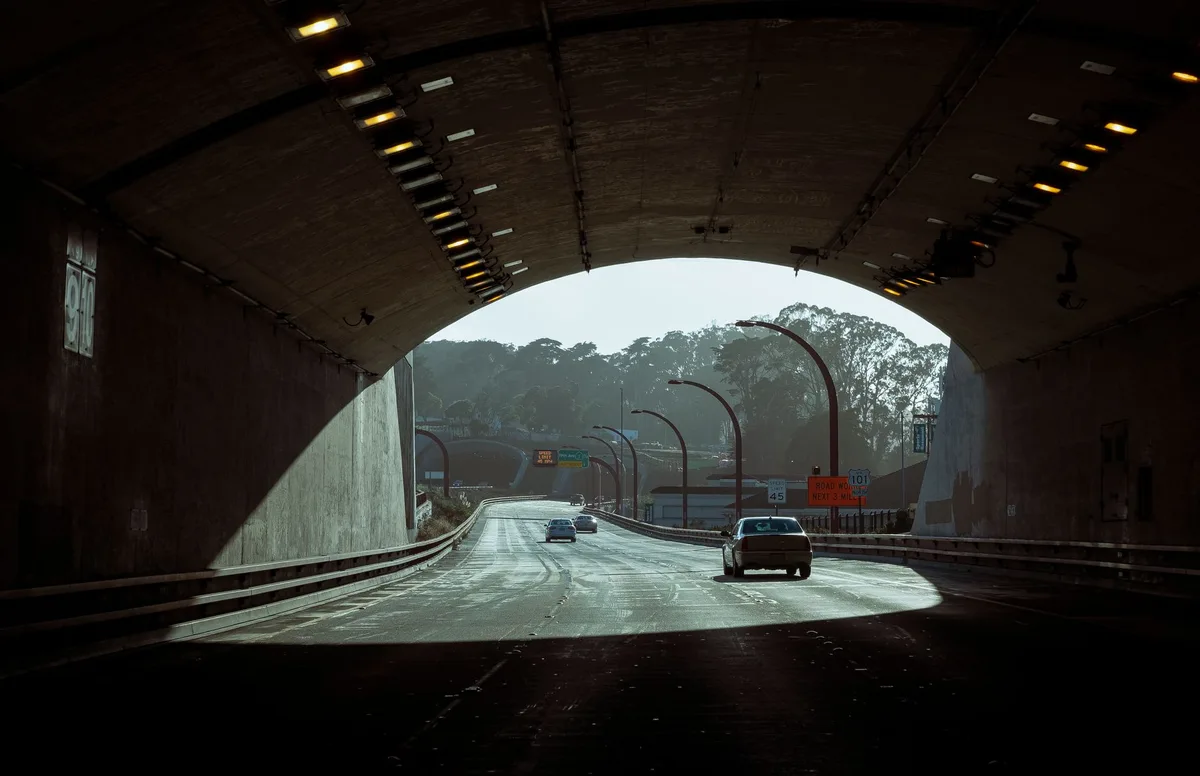
Image source: Pexels / David McElwee (Pexels License)
Navigating Darker Roads and Tunnels
Conversely, when you drive into a dark area, like a parking garage or a heavily shaded street, a non-WDR camera can struggle. The footage may become grainy and lacking in detail, making it hard to see pedestrians, cyclists, or other vehicles. WDR’s ability to enhance the darker parts of the image without excessively amplifying noise means you retain much better visibility, making your recordings more valuable in low-light or shadowed scenarios.
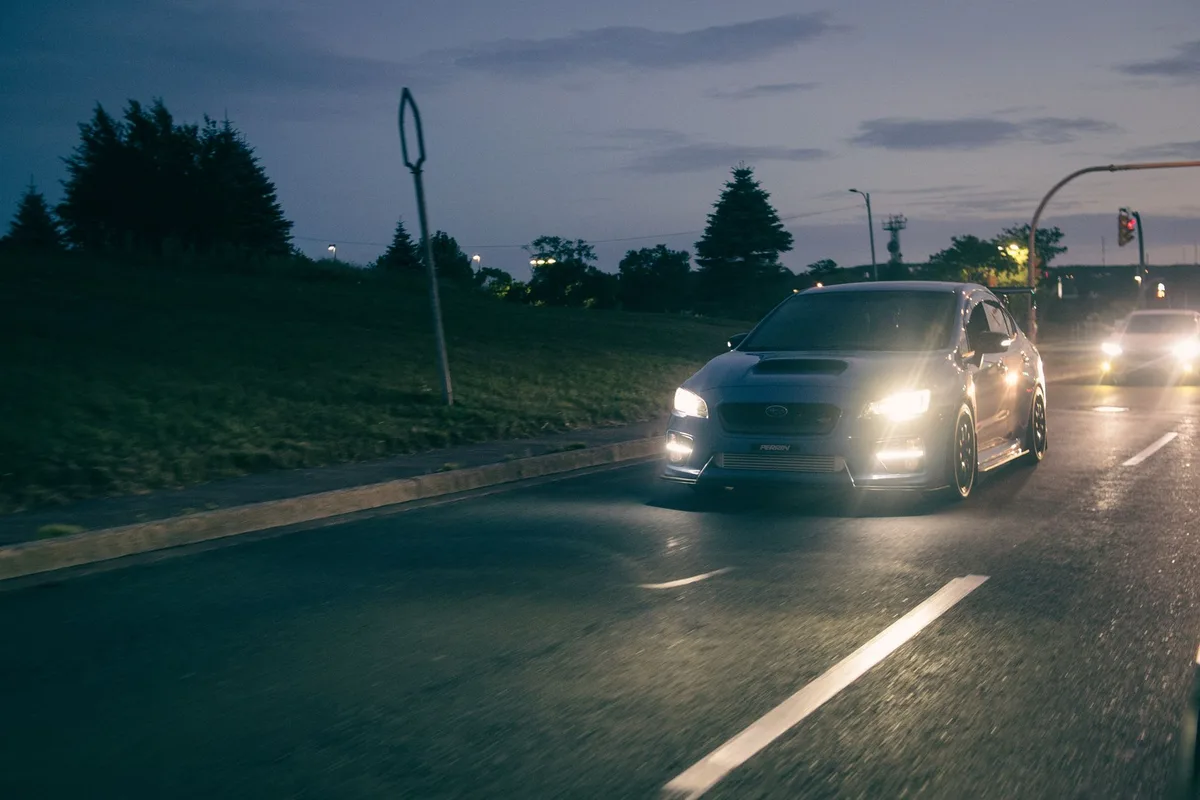
Image source: Pexels / Erik Mclean (Pexels License)
Limitations: When WDR Isn't Enough
Despite its advantages, WDR isn’t a miracle cure for all lighting issues. Its effectiveness is directly tied to the quality of the camera sensor and the sophistication of the WDR processing algorithm used by the manufacturer. If a scene is almost completely dark, with virtually no ambient light sources, even the best WDR system will struggle to produce a clear image because there's simply no light data to work with.
Furthermore, some WDR implementations can occasionally introduce artifacts or an unnatural look to the footage, though this has become less common with modern advancements. It's why looking at sample footage or reviews is so important; it helps you see how a specific dash cam's WDR performs in real-world conditions rather than just relying on the feature being listed.
Is WDR Right for Your Dash Cam Needs?
When you're shopping for a dash cam, it’s easy to get lost in megapixels and frame rates. But features like WDR often play a much bigger role in the actual quality and usefulness of your recordings. If you frequently drive in varied lighting, like transitioning from bright highways to shaded streets, or if you ever drive at dawn or dusk, WDR is definitely something you should prioritize. Dash cams with this feature are generally better equipped to handle the visual challenges of everyday driving.
However, if you primarily drive in consistent, well-lit conditions, or if your budget is extremely tight, you might be able to get away with a dash cam that doesn't explicitly list WDR. It’s about matching the camera’s capabilities to your most common driving scenarios. For professional drivers, ride-share operators, or anyone who wants the best possible evidence capture, WDR is practically a must-have.
Choosing a Dash Cam with the Right Features
Deciding on a dash cam isn't just about picking the one with the highest resolution; it's about finding a device that excels in the areas that matter most for your driving. While WDR is a significant factor, it works best when paired with other quality components. Look for dash cams that also offer good low-light performance beyond just WDR, a wide field of view to capture more of the scene, and reliable recording.
When evaluating specifications, you might see numbers for WDR or HDR, but these can be marketing terms. It's often more helpful to check independent reviews and sample footage to see how the feature actually performs. Some manufacturers also offer different levels of WDR technology, so what seems like a minor difference in specs can translate to a noticeable change in video quality. Remember that as of 2026, technology is constantly improving, so newer models might offer enhanced WDR capabilities.