So, you're digging into that pre-owned boat and the hour meter is staring back at you. Wondering just "what is a lot of hours on a boat motor" is a smart move. It’s not just a number; it's a big clue about an engine's life story and its future.
Manufacturer specifications often indicate a general lifespan for outboard motors, but actual wear is heavily influenced by usage. Aggregate reviews and reports from marine mechanics confirm that engine health depends just as much on how those hours were logged as the total count itself. This guide breaks down what those numbers really mean and what to look for.
The Real Story Behind Engine Hours
When we talk about boat motor hours, we're really talking about how much work the engine has done. It's the primary metric for tracking usage and potential wear. However, a simple hour count can be misleading, much like car mileage. What matters significantly is the type of work the engine was performing during those hours.
How Many Hours at Wide Open Throttle (WOT) Really Matter
Wide Open Throttle (WOT) hours are the most strenuous. This is when the engine is running at its maximum RPM, putting significant stress on internal components and generating peak heat. A boat motor that has spent 500 hours mostly at WOT will likely show much more wear and tear than one with 1,000 hours accumulated at a gentler cruising speed.
Understanding Cruising Hours for Engine Longevity
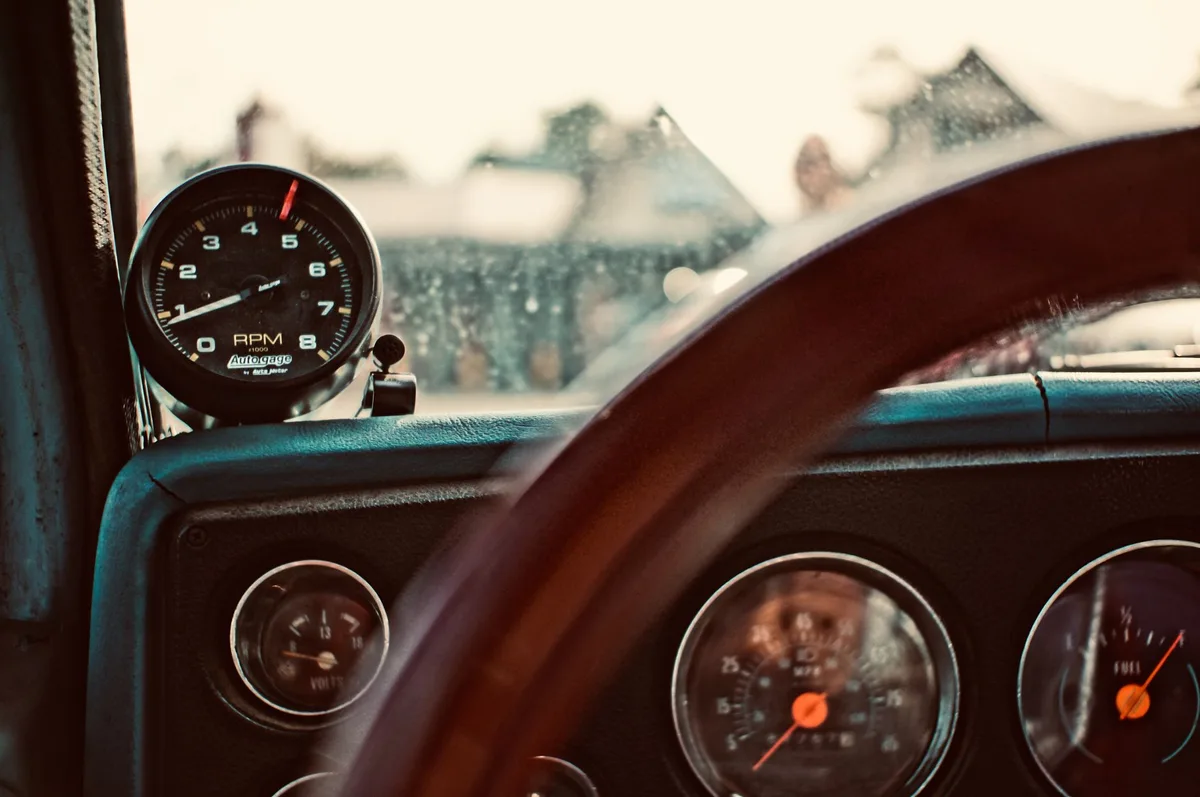
Cruising hours represent the bulk of typical boat operation. These are hours spent running the engine at moderate, sustained RPMs, usually between 2,500 and 4,000 RPM on most outboard motors. This range allows the engine to operate efficiently without the extreme stress of WOT. Manufacturers often design engines for optimal performance and lifespan within this cruising band.
The Nuances of Trolling Hours
For anglers, trolling hours are a common factor. This involves running the engine at very low RPMs for extended periods. While these hours aren't as hard on the engine as WOT, prolonged, low-RPM operation can sometimes lead to issues like carbon buildup or cylinder glazing if not properly managed. It's a different kind of wear and tear that seasoned mechanics know how to inspect for.
Are Idling Hours a Big Deal?
Idling hours, for example, when a boat is at the dock or waiting for a drawbridge, contribute to the total runtime but place minimal stress on major engine components. These hours burn fuel and use up engine life but don't typically accelerate wear in the same way higher RPM operation does. They are generally considered the "easiest" on an engine.
What's Considered "A Lot" for Different Boat Motors?
So, when does the hour meter tip into the "a lot" category? It's less about a single magic number and more about context. For most modern four-stroke outboard motors, a lifespan of 2,000 to 3,000 hours is achievable with diligent maintenance. However, hitting 1,000 hours on a well-cared-for engine is still quite respectable, especially if those hours were mostly spent at cruising speeds.
Benchmarks for Used Boat Purchases
When you're looking at a used boat, anything under 200 hours is generally considered low mileage, signaling a relatively new engine. Between 200 and 500 hours is a common range for many owners, and if properly maintained, these motors should have plenty of life left. Motors in the 500 to 1,000-hour range can still be excellent buys, provided you meticulously review the service history.
Engines Pushing Past 1,000 Hours
Engines that have logged over 1,000 hours are entering their seasoned phase. At this point, the condition and maintenance records are paramount. A motor with 1,500 hours that has been flawlessly maintained is a far better prospect than one with 800 hours but a history of neglect. As of 2026, the expectation for well-maintained larger displacement engines is often well past the 1,000-hour mark.
Why Service Records Are Your Best Friend
The most telling story about a boat motor's past isn't just the hour meter; it's the service records. Think of them as a health journal for the engine. A consistent log of oil changes, filter replacements, impeller checks, and any significant repairs provides invaluable insight.
What to Look For in Maintenance Logs
- Regularity: Are oil and filter changes happening at or before the recommended intervals?
- Completeness: Are all major services documented?
- Professionalism: Are the services performed by reputable marine mechanics or the owner with dated receipts for parts?
- Specifics: Do the records detail the type of oil used, significant repairs, or part replacements?
This documentation is crucial. Without it, judging an engine's true condition based solely on hours becomes much more speculative. It’s the difference between a known history and an educated guess.
Taking the Motor's Pulse: Diagnostic Scans
Modern boat motors, particularly outboard engines, are equipped with Engine Control Modules (ECMs) that store a wealth of data. A diagnostic scan can unlock this information, providing a more objective view of the engine's operational history than the simple hour meter alone. This is where a skilled marine mechanic can really shine. How To Test A Motor Starting Capacitor might involve checking electrical components, and a diagnostic scan is akin to that for the engine's brain.
What an ECM Scan Can Reveal
- Total Engine Hours: Confirms the reading on the dash.
- RPM History: Details how many hours were spent in different RPM ranges (e.g., idle, low, mid, high/WOT). This is a critical differentiator, as discussed earlier.
- Fault Codes: Indicates past or present engine issues, even if they were temporarily (or poorly) resolved.
- Run Time at Specific Speeds: Some advanced scans can even show how long the engine operated at specific throttle positions.
This data provides a factual basis for assessing an engine's stress levels and potential for future issues, moving beyond mere speculation.
Essential Checks Before You Buy (or Sell)
Whether you're eyeing a new-to-you boat or preparing to sell your current one, a thorough inspection is non-negotiable. For buyers, this step is crucial for avoiding potential heartbreak and costly surprises down the line. For sellers, presenting a well-inspected boat can significantly boost its appeal and value.
Why a Professional Inspection is Key
A qualified marine mechanic can perform a comprehensive pre-purchase inspection (PPI). They'll access ECM data, visually inspect the engine for leaks or corrosion, check the lower unit for water intrusion, test the cooling system's performance, and listen for any abnormal noises. Their expertise allows them to interpret the engine's condition in ways laypeople cannot. This is where understanding how to measure outboard motor shaft length can also be part of a mechanic's thoroughness, ensuring proper fitment if replacement is ever considered.
What Buyers Should Insist On
When purchasing a used boat, always include a clause in the purchase agreement that makes the sale contingent on a satisfactory mechanical inspection. If the seller balks, it's often a significant red flag. An inspection report from a reputable mechanic gives you leverage, confirms the engine's general health, and can highlight areas needing immediate or future attention. This process is vital for understanding the true "hours" cost.
Real-World Scenarios: What Experienced Owners See
Stories from the water and docks often highlight the practical reality of engine hours. We've seen accounts of 2,000-hour engines still purring along because they were consistently maintained, typically using a boat for weekend cruises and moderate fishing trips. Conversely, there are tales of engines failing well before 500 hours due to aggressive use without proper upkeep, or being pushed too hard with insufficient cooling.
One owner shared how their boat, used primarily for trolling for salmon, accumulated hours rapidly. The engine hit 700 hours in just three seasons. However, because they followed a strict maintenance schedule, replacing spark plugs annually and flushing the engine after every saltwater outing, it ran as smoothly as day one. This practical example shows how diligent care can significantly extend an engine's effective life, regardless of how quickly the hours rack up.
When Does "A Lot" Become "Too Much"? Potential Warning Signs
When an engine nears or exceeds the 1,000-hour mark, it's time to be extra vigilant for specific warning signs. These indicators can suggest that the engine is nearing the end of its serviceable life or that significant repairs are imminent. Ignoring these can quickly turn a minor issue into a catastrophic failure.
- Persistent Overheating: While occasional overheating can happen, if the engine repeatedly runs hotter than normal, even after addressing cooling system maintenance, it's a major concern.
- Unusual Noises: Knocking, grinding, or excessive tapping sounds from the engine are never good signs and often indicate internal mechanical issues.
- Excessive Smoke: Blue smoke suggests oil burning (worn piston rings or valve seals), white smoke can indicate coolant leaks into the combustion chamber, and black smoke points to fuel system problems, all of which are costly to fix on older engines.
- Loss of Power: A noticeable drop in horsepower, especially under load, signals that internal components may be worn or damaged. This can impact the boat's ability to plane or achieve its normal top speed.
When Do Repairs Become Uneconomical?
At some point, the cost of keeping an aging engine running outweighs its value or the potential for continued reliable service. Determining this tipping point is crucial for both buyers and sellers, especially for engines with substantial hour counts. It's a judgment call based on multiple factors.
Is a Major Overhaul Worth It?
A full engine overhaul, which could include rebuilding or replacing internal components like pistons, rings, bearings, and gaskets, can cost thousands of dollars. Typically, if the cost of an overhaul approaches or exceeds 50-70% of the value of a comparable used boat with a healthy engine, it might not be financially sensible. For instance, if a boat with a good engine is worth $15,000, and an overhaul is quoted at $10,000, that's a tough decision. Many owners might opt to repower with a new or remanufactured engine instead.
The Repower Option: New Engine, New Life?
Repowering, or replacing the old engine with a new or remanufactured unit, is a significant investment but can be a viable strategy for cherished boats. It provides the reliability of a modern power plant, often with better fuel efficiency and technology. This can be a smart move if the rest of the boat is in excellent condition and you plan to keep it for many more years. The cost of a new outboard motor can range from $5,000 to $20,000+, depending on size and brand.
Making Your Motor Last: Proactive Maintenance Strategies
Ensuring your boat motor reaches or exceeds its potential lifespan is all about proactive, consistent maintenance. It's not just about fixing problems when they arise; it's about preventing them in the first place. Following a rigorous maintenance schedule is the single most effective way to manage engine hours and their impact.
Key Maintenance Tasks to Never Skip
Regular servicing isn't just a recommendation; it's a necessity for engine longevity. Here are the core tasks:
- Regular Oil and Filter Changes: This is fundamental. Changing the engine oil and filter according to manufacturer recommendations (usually based on hours or time, whichever comes first) removes contaminants and ensures proper lubrication.
- Cooling System Checks: For outboards, this includes inspecting and replacing the water pump impeller regularly, typically every few years or after a specified number of hours. Keeping the cooling passages clear is vital to prevent overheating.
- Fuel System Maintenance: Using fresh, clean fuel and periodically changing fuel filters helps prevent fuel system issues. For boats used infrequently, a fuel stabilizer is a must.
- Spark Plug Replacement: Worn spark plugs can lead to misfires, reduced power, and decreased fuel efficiency. They should be replaced at the intervals specified by the manufacturer.
- Lower Unit Gearcase Maintenance: Checking and changing the gear oil in the lower unit protects critical gears and bearings.
The Importance of Flushing After Saltwater Use
If you boat in saltwater, one of the most critical maintenance routines is flushing the engine with fresh water after every outing. This simple task removes corrosive salt and debris from the cooling system, significantly extending the life of internal engine components and preventing costly corrosion damage. Consistent flushing can mean the difference between an engine lasting 1000 hours or 2500+ hours.
The "A Lot" Question: How Many Hours is Too Many for Your Boat Motor?
So, you've been eyeing that used boat, or maybe you're just curious about how long your own outboard is going to last. The big question that always pops up is, "What's considered 'a lot' of hours on a boat motor?" It’s a common question, and one that doesn't have a single, neat, one-size-fits-all answer. But as someone who's spent plenty of time wrestling with engines and talking to mechanics, I can tell you we can break it down.
Think of it like mileage on a car. A car with 100,000 miles isn't necessarily "done." It depends on how that mileage was accumulated, how well it was cared for, and what kind of car it is. Same deal with boat motors.
The Real Story Behind Engine Hours
When we talk about boat motor hours, we're really talking about how much work the engine has done. It's the primary metric for tracking usage and potential wear. However, a simple hour count can be misleading, much like car mileage. What matters significantly is the type of work the engine was performing during those hours.
How Many Hours at Wide Open Throttle (WOT) Really Matter
Wide Open Throttle (WOT) hours are the most strenuous. This is when the engine is running at its maximum RPM, putting significant stress on internal components and generating peak heat. A boat motor that has spent 500 hours mostly at WOT will likely show much more wear and tear than one with 1,000 hours accumulated at a gentler cruising speed.
Understanding Cruising Hours for Engine Longevity
Cruising hours represent the bulk of typical boat operation. These are hours spent running the engine at moderate, sustained RPMs, usually between 2,500 and 4,000 RPM on most outboard motors. This range allows the engine to operate efficiently without the extreme stress of WOT. Manufacturers often design engines for optimal performance and lifespan within this cruising band.
The Nuances of Trolling Hours
For anglers, trolling hours are a common factor. This involves running the engine at very low RPMs for extended periods. While these hours aren't as hard on the engine as WOT, prolonged, low-RPM operation can sometimes lead to issues like carbon buildup or cylinder glazing if not properly managed. It's a different kind of wear and tear that seasoned mechanics know how to inspect for.
Are Idling Hours a Big Deal?
Idling hours, for example, when a boat is at the dock or waiting for a drawbridge, contribute to the total runtime but place minimal stress on major engine components. These hours burn fuel and use up engine life but don't typically accelerate wear in the same way higher RPM operation does. They are generally considered the "easiest" on an engine.
What's Considered "A Lot" for Different Boat Motors?
So, when does the hour meter tip into the "a lot" category? It's less about a single magic number and more about context. For most modern four-stroke outboard motors, a lifespan of 2,000 to 3,000 hours is achievable with diligent maintenance. However, hitting 1,000 hours on a well-cared-for engine is still quite respectable, especially if those hours were mostly spent at cruising speeds.
Benchmarks for Used Boat Purchases
When you're looking at a used boat, anything under 200 hours is generally considered low mileage, signaling a relatively new engine. Between 200 and 500 hours is a common range for many owners, and if properly maintained, these motors should have plenty of life left. Motors in the 500 to 1,000-hour range can still be excellent buys, provided you meticulously review the service history.
Engines Pushing Past 1,000 Hours
Engines that have logged over 1,000 hours are entering their seasoned phase. At this point, the condition and maintenance records are paramount. A motor with 1,500 hours that has been flawlessly maintained is a far better prospect than one with 800 hours but a history of neglect. As of 2026, the expectation for well-maintained larger displacement engines is often well past the 1,000-hour mark.
Why Service Records Are Your Best Friend
The most telling story about a boat motor's past isn't just the hour meter; it's the service records. Think of them as a health journal for the engine. A consistent log of oil changes, filter replacements, impeller checks, and any significant repairs provides invaluable insight.
What to Look For in Maintenance Logs
- Regularity: Are oil and filter changes happening at or before the recommended intervals?
- Completeness: Are all major services documented?
- Professionalism: Are the services performed by reputable marine mechanics or the owner with dated receipts for parts?
- Specifics: Do the records detail the type of oil used, significant repairs, or part replacements?
This documentation is crucial. Without it, judging an engine's true condition based solely on hours becomes much more speculative. It’s the difference between a known history and an educated guess.
Taking the Motor's Pulse: Diagnostic Scans
Modern boat motors, particularly outboard engines, are equipped with Engine Control Modules (ECMs) that store a wealth of data. A diagnostic scan can unlock this information, providing a more objective view of the engine's operational history than the simple hour meter alone. This is where a skilled marine mechanic can really shine. How To Test A Motor Starting Capacitor might involve checking electrical components, and a diagnostic scan is akin to that for the engine's brain.
What an ECM Scan Can Reveal
- Total Engine Hours: Confirms the reading on the dash.
- RPM History: Details how many hours were spent in different RPM ranges (e.g., idle, low, mid, high/WOT). This is a critical differentiator, as discussed earlier.
- Fault Codes: Indicates past or present engine issues, even if they were temporarily (or poorly) resolved.
- Run Time at Specific Speeds: Some advanced scans can even show how long the engine operated at specific throttle positions.
This data provides a factual basis for assessing an engine's stress levels and potential for future issues, moving beyond mere speculation.