A motorized valve is essentially an automated gatekeeper for fluid or gas flow, powered by an electric motor or other actuator. Instead of you manually turning a handle to open or close a pipe, a motor does the work based on a signal. This technology is a key component in many automated systems, from smart home heating to complex industrial processes, offering precise control and remote operation capabilities.
Manufacturer specifications confirm these valves are rated for various pressures and temperatures, with common examples adhering to standards like ISO 9001 for quality management. As of 2026, their integration into IoT devices continues to expand their reach and functionality in diverse applications. Understanding what they are and how they operate is the first step to appreciating their role in modern engineering.
How Motorized Valves Work: The Inside Story
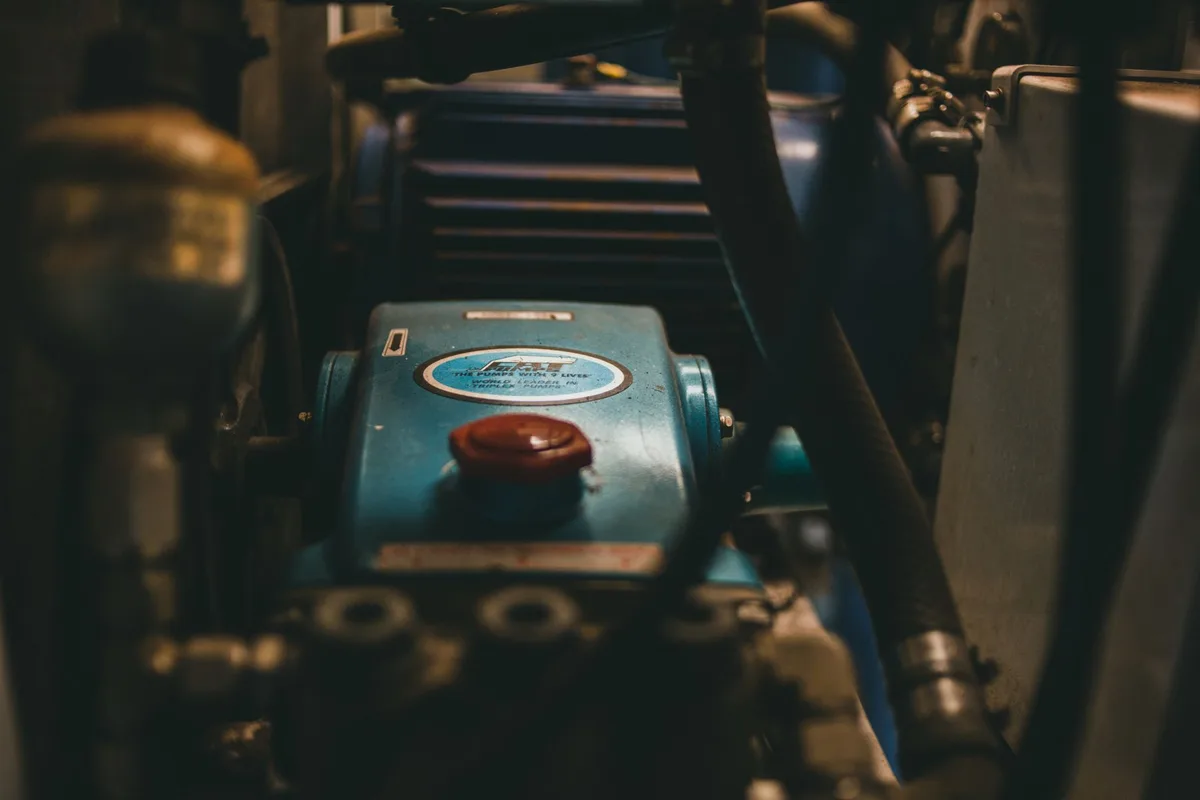
At its heart, what makes a motorized valve tick is the synergy between the valve itself and the piece that moves it, the actuator. You can't really have one without the other in this context. The valve body is where the magic of flow control happens, but it's the actuator that provides the energy and brains to make it happen automatically.
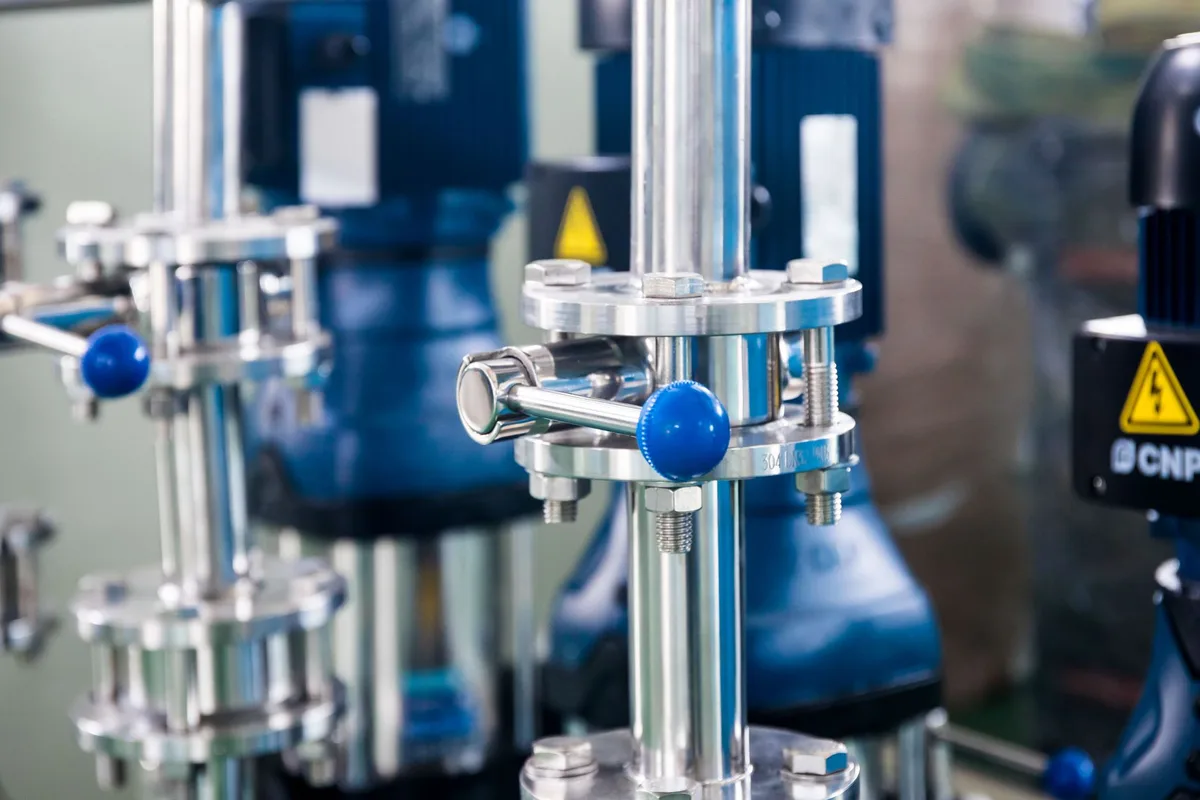
The actuator is designed to take an input, usually an electrical signal, and convert it into the mechanical force needed to operate the valve's internal mechanism. This ensures you get consistent and precise movement every time, whether it's a simple open/close command or a more nuanced adjustment.
The Valve Body: Control Central
This is the part of the valve that physically obstructs or allows the passage of fluid or gas. Imagine it as the door within the pipe. It contains the sealing mechanism, which could be a ball with a hole, a disc, or a plug. The way the valve body is designed dictates how it can control flow.
For instance, a ball valve typically offers a quick quarter-turn action for full open or full shut, while a globe valve might be designed for more gradual adjustments.
The Actuator: The Powerhouse
The actuator is the motor assembly that attaches to the valve body, providing the operational force. Where you might use your hand to turn a lever on a manual valve, the actuator uses its motor to perform that action. Our research indicates that electric actuators are the most common in residential and many commercial settings, largely due to their ease of integration with existing control systems. Pneumatic and hydraulic actuators are often employed in heavier industrial applications where they can leverage existing compressed air or fluid power systems.
Key Features: What To Look For
When you're looking at motorized valves, a few key features really stand out and determine what the valve is best suited for. These aren't just minor details; they dictate the valve's performance, application suitability, and even its lifespan. Thinking about these upfront saves a lot of headaches down the line.
Control Types: On/Off vs. Modulating
This is one of the most important distinctions.
- On/Off Control: These valves are designed for simple, binary actions: fully open or fully closed. They act like a light switch.
- Modulating Control: These valves can be positioned anywhere between fully open and fully closed, allowing for precise regulation of flow rates. Think of them like a dimmer switch for lights.
The choice between them depends entirely on what you're trying to achieve. If you just need to shut off a line or let full flow through, on/off is sufficient and often more cost-effective. If you need to maintain a specific pressure, temperature, or flow rate, a modulating valve is essential.
Actuator Types: Electric, Pneumatic, Hydraulic
The actuator is the powered component that drives the valve.
- Electric Actuators: These are the most common for general automation. They use electric motors, often powered by standard AC or DC voltages, making them easy to integrate with controllers and smart home systems. Their precision and controllability are strong advantages.
- Pneumatic Actuators: These use compressed air. They are frequently found in industrial environments where compressed air infrastructure is already in place. They can be very robust and provide fast operation.
- Hydraulic Actuators: These use pressurized liquid, usually oil. They're typically reserved for very high-force applications, large valves, or systems where high pressures are already a factor.
Benefits: Why Go Motorized?
The primary driver for using a motorized valve is the leap in control and convenience it offers over manual alternatives. Automation is the big win here. Imagine needing to adjust a valve across a large factory floor or in a hazardous area; a motorized valve lets you do that remotely with just a signal. This significantly improves operational efficiency and, crucially, safety.
Manufacturer specifications and aggregate user feedback often highlight their precision, allowing for fine-tuning of flow rates that’s impossible with manual operation. This precision can lead to better process stability and resource conservation, such as optimizing water usage in irrigation or fuel delivery in industrial burners.
Drawbacks: What To Watch Out For
While motorized valves are fantastic problem-solvers, they aren't without their downsides. The most apparent is complexity and cost. You're adding power, control electronics, and a motor to a basic mechanical device, which naturally increases the initial investment compared to a simple manual valve.
Maintenance can also be a factor. While the valve body might require similar upkeep to its manual counterpart, the actuator itself is an electromechanical device that can eventually wear out or fail. Relying on external power means that if the electricity goes out, the valve might default to a specific position (fail-safe open/closed) or simply stop working until power is restored, which could be a critical issue in some processes.
Types of Motorized Valves Explained
Motorized valves aren't a one-size-fits-all solution; they come in various forms, each designed for specific tasks. The type of valve body combined with the actuator determines its best application. Understanding these different configurations helps in selecting the right valve for the job, ensuring optimal performance and longevity.
Motorized Ball Valves
These are incredibly common and versatile. A motorized ball valve uses an electric or other type of actuator to rotate a spherical ball inside the valve body. When the hole in the ball aligns with the pipe's bore, fluid flows freely. Turn the ball 90 degrees, and the solid side blocks the flow.
This makes them excellent for quick, positive shut-off applications. They're found in everything from home plumbing to industrial pipelines.
Motorized Butterfly Valves
A motorized butterfly valve features a disc mounted on a rotating shaft in the center of the pipe. The actuator turns this disc. When the disc is perpendicular to the flow, it blocks the passage. When it's parallel, it allows flow.
These are often used for larger pipe diameters and where space is a consideration, as they are relatively compact. They can be used for both on/off and throttling service, though their sealing isn't always as tight as a ball valve.
Motorized Globe Valves
Unlike the quarter-turn action of ball or butterfly valves, a motorized globe valve uses its actuator to move a plug up or down into a seat. This design is inherently better suited for throttling or regulating flow with a high degree of precision. They are often preferred in applications where flow needs to be carefully controlled to maintain specific process conditions, such as in steam lines or chemical dosing systems.
Solenoid Valves: A Special Case
Solenoid valves are a bit different. They are electrically operated valves that use an electromagnet (the solenoid) to create motion. When energized, the solenoid pulls or pushes a plunger, which opens or closes ports to control fluid flow, often quickly and with minimal moving parts beyond the plunger itself. They are typically used for on/off applications and are great for controlling smaller volumes of liquid or gas.
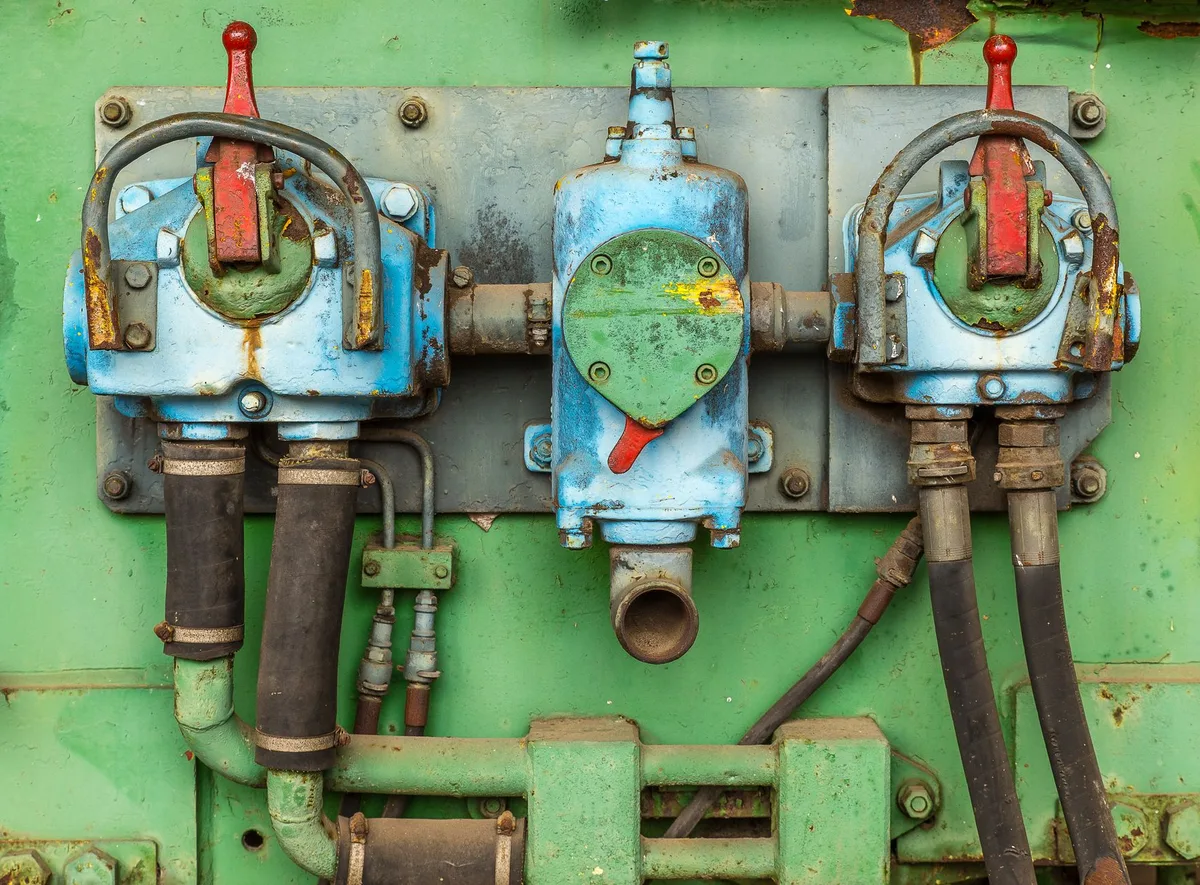
While they don't have a traditional "motor" in the same sense as other motorized valves, they are fundamentally automated valves driven by electrical actuation, making them a relevant category. Their speed and simplicity make them ideal for appliances and simpler automated tasks.
Where Are Motorized Valves Used? Real-World Applications
Motorized valves have found their way into countless applications where automation, precise control, or remote operation is a significant advantage. They’re not just for big industrial plants anymore. You’ll encounter them in scenarios where manual intervention would be inconvenient, inefficient, or downright impossible.
Think about systems that need to react to changing conditions without human input, or situations where accessing a valve is difficult. That's where these smart devices shine, silently managing flow to keep processes running smoothly and safely. Their adaptability means they’re a staple in a wide range of industries and even within our own homes.
In Your Home
You might be surprised at how many motorized valves are humming away in your house right now, often working behind the scenes. Home heating and cooling systems are major users. Zone-controlled heating, for instance, relies on motorized valves to direct hot or chilled water to specific areas of your house based on thermostat settings. If you have a smart thermostat, it's likely communicating with these valves to optimize comfort and energy use.
Appliances also leverage them. Solenoid valves, a type of motorized valve, are used in your washing machine to control the intake of hot and cold water, and in your dishwasher for similar purposes. Even some advanced sprinkler systems use them to manage water flow to different garden zones on a schedule.
In Industry
Industrial settings are, of course, where motorized valves truly flex their muscles. In chemical plants, they precisely control the flow of raw materials, intermediates, and finished products, often in high-pressure or hazardous environments. Their ability to be controlled remotely via a central control room is critical for operator safety.
In food and beverage manufacturing, motorized valves ensure sanitary conditions and precise ingredient mixing. Think about automated brewing systems or pasteurization lines, where exact flow rates and timings are essential. They are also vital in power generation, water treatment facilities, and oil and gas operations for managing vast volumes of fluids and gases reliably.
Choosing the Right Motorized Valve: Key Considerations
Picking the right motorized valve isn't a one-size-fits-all decision. You have to dig into what the valve will actually be doing. Getting this wrong can lead to poor performance, leaks, or premature failure. It’s about matching the valve’s capabilities to the demands of its environment and the fluid it’s controlling.
What Are You Flowing?
The type of fluid or gas is paramount. Is it water, steam, oil, or something more corrosive like a strong acid? Different valve body materials and seal compounds are required for different substances. For instance, brass or stainless steel might be fine for water, but you'd need specialized alloys or polymers for highly aggressive chemicals.
Manufacturer specifications will always detail compatible media.
Pressure and Temperature Limits
This is critical for safety and functionality. Every valve has a maximum pressure and temperature rating. Operating a valve outside these limits can lead to leaks, catastrophic failure, or reduced lifespan. Aggregated data from industrial applications shows that failing to match the valve's pressure rating to the system pressure is a leading cause of valve failure, sometimes resulting in significant downtime.
Speed and Precision Needs
Do you need the valve to snap shut instantly, or can it take its time? Similarly, do you need to hold a precise flow rate, or is it simply open or closed? On/off valves, like many ball or solenoid types, react quickly. Modulating valves, such as globe valves, are designed for slower, more controlled adjustments.
For instance, if you’re in a process where shutting off flow must happen in milliseconds to prevent an overflow, a fast-acting electric or solenoid valve is key.
Common Mistakes When Buying or Using Motorized Valves
Folks sometimes cut corners or overlook important details when selecting or installing motorized valves, and it usually comes back to bite them. A common blunder is overlooking the actuator's torque output. If the motor isn't strong enough to fully close a stubborn valve, you’ll have leaks. It's like trying to close a heavy door with a weak push.
Another frequent error is not considering the valve's fail-safe position. What happens when power is lost? Does it need to remain open, close shut, or stay where it was? Without planning for this, you could face unintended consequences in your system.
For example, in a fire suppression system, a valve failing to open could be disastrous.
Here are a few more pitfalls to watch out for:
- Ignoring the environment: Is the valve going to be exposed to extreme temperatures, moisture, or corrosive substances? Standard actuators might not hold up.
- Incorrect voltage/signal: Ensuring the actuator’s electrical requirements match your control system is vital. A three-phase motor, for instance, needs different power than a 24V DC solenoid.
- Over-tightening connections: While you need a good seal, over-tightening pipe fittings can damage the valve body, leading to leaks.
Maintenance and Long-Term Optimization
Motorized valves, like any electromechanical device, benefit from regular checks to ensure they operate reliably. While they often require less frequent manual intervention than their non-powered counterparts, neglecting maintenance can lead to unexpected failures. A basic maintenance routine typically involves visual inspections for leaks or physical damage.
Automated systems often allow for remote diagnostics, which can indicate potential issues with an actuator before they become critical. Some manufacturer specifications recommend periodic functional tests, where the valve is cycled open and closed to ensure smooth operation. Lubrication might be needed for the actuator's moving parts, depending on the model. For industrial use, adhering to the manufacturer's recommended service intervals, often detailed in their operational manuals, is crucial for optimizing performance and extending the valve's service life.
When Do You Need a Motorized Valve?
You need a motorized valve when manual operation of a fluid or gas line becomes impractical, inefficient, or unsafe, or when precise, automated control is required. If a system needs to adjust flow based on real-time conditions, like temperature or pressure, or if you want to control valves remotely via a network or app, then a motorized option is almost certainly the way to go.
Consider systems that benefit from consistent, repeatable actions. For example, in a building's HVAC system, motorized valves allow for sophisticated zoning control, ensuring different areas maintain their set temperatures without constant human adjustment. In industrial settings, the ability to automate material flow, manage reaction rates, or isolate segments of a process quickly and from a safe distance makes these valves indispensable. When the potential for human error needs to be minimized or when continuous, predictable operation is essential, a motorized valve becomes a necessity.