Ever wondered how those powerful air tools in a workshop or even a quiet dental drill get their oomph? It all comes down to understanding how an air compressor works. At its heart, an air compressor is a surprisingly simple machine designed to take atmospheric air, squeeze it into a smaller volume, and then store that pressurized air for later use.
This process involves converting electrical or engine power into kinetic energy in the compressed air, ready to be released on demand. Our research shows that a standard portable air compressor, for instance, typically operates between 90 and 150 PSI (pounds per square inch), making it versatile for everything from inflating tires to powering impact wrenches. Let's dive into what's happening inside these handy machines.
Quick Answer: The Core Idea Behind Air Compressors
At its most basic, an air compressor works by forcing air into a smaller space, increasing its pressure. Think of it like blowing up a balloon, but on an industrial scale. This machine takes normal air from the environment, uses a motor to power a pump that compresses it, and then stores that high-pressure air in a tank. When you need it, the compressed air is released through a hose, providing a concentrated burst of energy to power pneumatic tools or perform other tasks.
It's an energy conversion system, turning mechanical power into potential energy stored in the pressurized air.
How an Air Compressor Works: The Big Picture (Why Visuals Help!)
Understanding an air compressor really clicks into place when you can visualize its inner workings. Text can describe the steps, but seeing a diagram of air flowing in, getting squeezed, and then filling a tank truly makes the process clear. It helps you grasp how components interact and why each part is essential. Without a visual, it's tough to picture the mechanical dance happening inside, from the moment air enters to when it's ready for action.
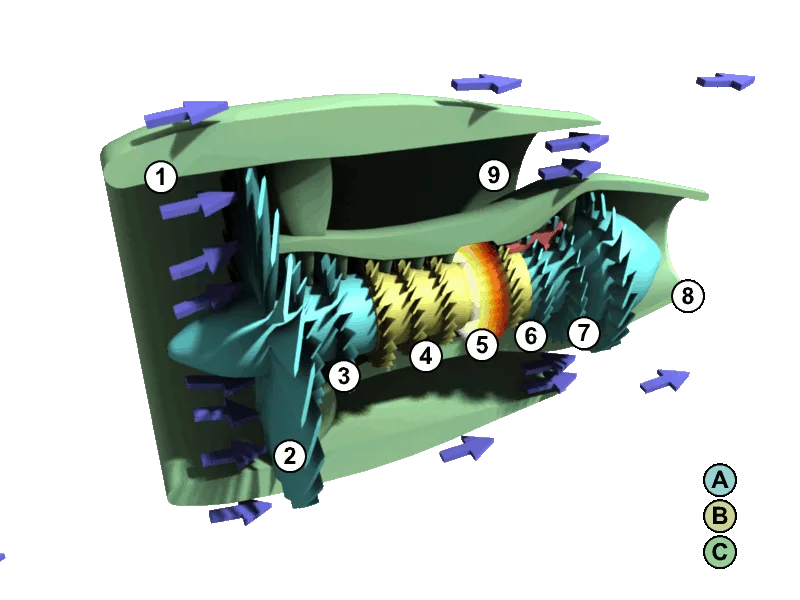
At a high level, the process starts with an intake valve. Air gets sucked in from the atmosphere. Next, a pump, driven by a motor, compresses this air. As the air volume decreases, its pressure increases dramatically.
This pressurized air then moves into a storage tank, often called a receiver tank, where it waits until needed. When an air tool or device is connected, the compressed air is released from the tank, flowing through a hose to power the tool. Once the tank pressure drops below a set point, the compressor automatically kicks back on to replenish the supply, ensuring a continuous flow of power as of 2026.
Breaking Down the Machine: Key Components Inside an Air Compressor
An air compressor is more than just a motor and a tank; it's a system of interconnected parts, each playing a vital role in its operation. We're talking about components engineered to handle significant pressure and constant use. Understanding these pieces helps you appreciate the machine's efficiency and reliability.
The Heart of the System: Compressor Pump Types
The compressor pump is arguably the most crucial component, responsible for the actual "squeezing" of air. You'll primarily find two main types in common use: reciprocating (piston) and rotary screw.
- Reciprocating (Piston) Pumps: These are what most people picture when they think of a compressor. They work like an internal combustion engine, but in reverse. A piston moves up and down inside a cylinder, drawing air in on the downstroke (intake valve open) and compressing it on the upstroke (intake valve closed, discharge valve open). They're great for intermittent use and are common in home garages and smaller shops.
- Rotary Screw Pumps: These are designed for continuous, heavy-duty operation, often found in industrial settings. Instead of pistons, two intermeshing helical rotors spin, trapping air between them and progressively reducing its volume as it travels down the screws. They're typically quieter and more energy-efficient for constant demand.
Holding the Power: The Air Tank (Receiver)
Once air is compressed, it needs somewhere to go before it's used. That's where the air tank, or receiver tank, comes in. This sturdy metal cylinder stores the pressurized air, allowing the compressor pump to run intermittently rather than constantly. The tank size, measured in gallons or liters, dictates how much compressed air is available before the pump needs to cycle on again.
Larger tanks mean fewer cycles, which can extend the life of the compressor motor and pump.
Steering the Show: Pressure Controls and Safety Features
Safety and control are built right into the compressor's design. These components ensure the machine operates within safe limits and provides consistent pressure.
- Pressure Switch: This is the brain of the compressor. It monitors the pressure inside the air tank and automatically turns the motor on when the pressure drops below a lower threshold and off when it reaches the desired maximum pressure.
- Pressure Regulator: This allows you to adjust the output pressure to suit your tools. The tank might hold air at 150 PSI, but your nail gun might only need 90 PSI. The regulator lets you dial that down.
- Safety Valve (Pressure Relief Valve): This is a critical safety device. If the pressure switch ever fails and the tank over-pressurizes, this valve automatically opens to release excess air, preventing a dangerous rupture. Manufacturer specifications indicate these are tested to ASME Boiler and Pressure Vessel Code standards.
- Drain Valve: Compressed air naturally contains moisture, which condenses into water inside the tank. This valve, usually located at the bottom of the tank, lets you drain out this accumulated water, preventing rust and ensuring cleaner air for your tools.
The Air Compression Cycle: Step-by-Step Visualizing the Process
Let's walk through the full journey of a single breath of air as it gets transformed from atmospheric pressure to powerful energy. This cycle repeats continuously as long as the compressor is running. Imagine seeing this in a slow-motion animation; it helps clarify the mechanical actions.
Sucking In: The Intake Stroke
The cycle begins with the intake stroke. As the compressor pump's piston moves downward within its cylinder, it creates a vacuum. This negative pressure pulls open the intake valve, allowing ambient air from the surroundings to be drawn into the cylinder. The air filter usually cleans this incoming air first, protecting the pump from dust and debris.
This is effectively the "breathing in" phase for the compressor.
Squeezing Down: The Compression Stroke
Once the piston reaches the bottom of its stroke, the intake valve closes, sealing the air inside the cylinder. Now, as the piston moves upward, it begins to squeeze this trapped air. The volume available for the air rapidly decreases, which forces the air molecules closer together. This action dramatically increases the air's pressure and temperature; it's a fundamental principle of thermodynamics.
Pushing Out: The Discharge Stroke
As the air inside the cylinder reaches its maximum pressure, it becomes strong enough to push open the discharge valve. With the discharge valve open and the piston continuing its upward movement, the highly compressed air is pushed out of the cylinder. From here, it travels through a check valve (which prevents air from flowing back into the pump) and into the air tank, ready for storage. Once the piston reaches the top, the discharge valve closes, and the cycle begins anew with the intake stroke.
Different Flavors: Reciprocating (Piston) vs. Rotary Screw Compressors
While the core principle of air compression remains the same, how that compression happens varies significantly between the two primary types of compressors. Your choice depends heavily on your specific needs, particularly regarding continuous operation and required airflow.
Piston Compressors: The Workhorse for Many
Reciprocating, or piston, compressors are the most common type for general use. They come in both single-stage and two-stage configurations. In a single-stage pump, the air is compressed once to its final pressure. A two-stage compressor compresses the air twice; first to an intermediate pressure, then it's cooled (often by an intercooler), and finally compressed a second time to achieve much higher pressures, like 175 PSI.
These are excellent for tasks that involve intermittent use, such as a home garage where you might use a nail gun for a short project, then turn it off. They're generally less expensive upfront but can be louder and less efficient for constant, heavy demands.
Rotary Screw Compressors: For Continuous, Heavy-Duty Needs
When you need a constant, uninterrupted supply of compressed air, especially in industrial or manufacturing settings, rotary screw compressors are the go-to. Instead of pistons, they use two precisely machined helical rotors that mesh together. Air gets trapped between these rotors as they spin, and its volume is reduced as it moves along the screws, creating continuous compression. These units are typically much quieter than piston compressors, operate with less vibration, and are designed for 100% duty cycle operation.
While they cost more initially, their energy efficiency and longer lifespan under heavy loads often make them a more economical choice in the long run for professional environments.
What Makes Them Different? Key Features and Attributes to Look For
Beyond the basic type of pump, several key features and attributes distinguish one air compressor from another. These specs directly impact a compressor's performance, suitability for different tasks, and overall user experience. When you're looking at a unit, knowing what these terms mean helps you pick the right tool for your specific needs.
PSI vs. CFM: Understanding Power and Airflow
These are the two most critical metrics you'll encounter when sizing an air compressor, and they often confuse people. They describe different aspects of the compressed air's capability.
- PSI (Pounds per Square Inch): This measures the pressure, or force, of the compressed air. It tells you how much "push" the air has. Most air tools specify a required operating PSI, often around 90 PSI for things like impact wrenches or nail guns. A higher maximum PSI means the tank can store more potential energy.
- CFM (Cubic Feet per Minute): This measures the volume of air delivered at a specific pressure. It indicates how much air a compressor can sustainably supply to a tool. If your tool needs 5 CFM at 90 PSI, your compressor must be able to deliver at least that much. Having enough CFM prevents your compressor from constantly running to keep up, often called "short cycling."
Our research shows that matching your compressor's CFM output to the CFM requirements of your most air-hungry tools is more important than just having high PSI. Tools like sanders or grinders demand significantly higher CFM than a simple tire inflator.
Oil-Lubricated vs. Oil-Free: What's the Trade-off?
The way the compressor pump's moving parts are lubricated, or not, defines another major category. This choice impacts maintenance, noise, and the quality of the air produced.
- Oil-Lubricated Compressors: These use oil to lubricate the pump's pistons and cylinders, much like a car engine. This lubrication helps reduce friction, keeps the pump cooler, and generally leads to a longer lifespan and quieter operation. However, they require regular oil changes and there's a small risk of oil mist getting into the compressed air, which might be an issue for delicate painting or certain medical uses.
- Oil-Free Compressors: These compressors use permanently lubricated bearings and coatings on the pump components, meaning no oil changes are needed. They're generally lighter, require less maintenance, and produce oil-free air, which is essential for applications like dentistry or certain clean room environments. The trade-off is they tend to be louder and may have a shorter lifespan compared to well-maintained oil-lubricated models, as reported by aggregate user reviews.
Single-Stage vs. Two-Stage: Getting More Pressure
We briefly touched on this in the pump types, but it's worth a closer look as it dictates the maximum pressure capabilities.
- Single-Stage Compressors: These compress air in one single step. Air is drawn into the cylinder and compressed to its final pressure, typically around 120-135 PSI, in a single stroke. They're simpler in design and cost less, making them ideal for tasks that don't require extremely high pressure, like inflating tires or operating smaller nail guns.
- Two-Stage Compressors: These units take the compression process further. Air is initially compressed in a larger cylinder to an intermediate pressure, then passed through an intercooler to reduce its temperature, and finally compressed a second time in a smaller cylinder to reach much higher pressures, often 175 PSI or more. This two-step process is more efficient for higher pressures and reduces wear and tear on the pump, making them suitable for demanding industrial applications or shops running multiple tools.
Where You'll Find Them: Common Use Cases and Applications
Air compressors are incredibly versatile tools, finding a home in countless settings due to their ability to power a wide array of pneumatic tools and equipment. Their utility spans from hobbyist workshops to heavy industry.
For the DIYer and Home Garage
In a home setting, a portable air compressor is a game-changer. You'll typically find smaller, single-stage piston compressors with tank sizes ranging from 2 to 20 gallons. These are perfect for:
- Tire inflation: Keeping car, bike, and sports equipment tires properly inflated.
- Brad nailers and finish nailers: Making quick work of trim, molding, and small woodworking projects.
- Blowing dust and debris: Cleaning workspaces or electronic equipment with an air blow gun.
- Light paint spraying: Using a small spray gun for hobbies or minor touch-ups.
They offer significant convenience over manual alternatives, saving time and effort on routine tasks.
In Professional Shops and Industrial Settings
Larger, more powerful compressors, often rotary screw or two-stage piston models, are the backbone of professional operations. These environments demand high CFM and consistent pressure for prolonged periods.
- Automotive repair shops: Powering impact wrenches for lug nuts, air hammers for bodywork, and various pneumatic hand tools.
- Construction sites: Driving framing nailers, roofing nailers, and air chisels all day long.
- Manufacturing plants: Operating production machinery, assembly line tools, and pneumatic clamps.
- Sandblasting and surface preparation: Requiring massive CFM to drive abrasive materials for cleaning or texturing surfaces.
- HVAC service: Testing systems for leaks and operating specialized tools.
These heavy-duty applications often use stationary compressors, plumbed into an air distribution system throughout the facility.
Keeping Your Compressor Healthy: Essential Maintenance Tips
Just like any other piece of machinery, an air compressor needs regular care to perform optimally and last a long time. Neglecting maintenance can lead to reduced efficiency, costly repairs, and even safety hazards. These simple steps can make a big difference.
Draining Moisture: A Must-Do Task
Compressed air contains water vapor, and as that air cools in the tank, this vapor condenses into liquid water. If left in the tank, this water causes rust and corrosion, potentially weakening the tank walls over time or getting into your air tools and damaging them.
- Frequency: Drain your air tank after every single use if it's an oil-lubricated compressor, or at least weekly for lighter-use oil-free models.
- How: Simply open the drain valve, usually a petcock or ball valve at the bottom of the tank, and let all the water spray out until only air escapes. Close it tightly afterward.
This simple habit prevents a lot of headaches down the road.
Checking Oil and Filters: Keeping Things Smooth
For oil-lubricated compressors, the oil is the lifeblood of the pump. It cools and lubricates moving parts, much like engine oil in your car.
- Oil Level: Check the oil level regularly, typically before each major use, and top it off if needed, using the manufacturer-recommended oil type.
- Oil Changes: Our editorial analysis suggests changing the oil every 50 to 100 operating hours, or at least once a year, depending on usage. Dirty oil loses its lubricating properties and can cause premature wear.
- Air Filters: The intake air filter keeps dust and debris out of the pump. Check it monthly or more frequently in dusty environments. Clean or replace it when it looks dirty to ensure the compressor can breathe easily and efficiently.
Listening for Leaks: The Silent Power Drain
Air leaks are insidious. They make your compressor run more often than it needs to, wasting electricity and shortening its lifespan. You might not hear small leaks over normal workshop noise.
- Detection: Periodically spray all hose connections, fittings, and the pressure switch assembly with a soapy water solution. Bubbles will appear where air is escaping.
- Repair: Tighten loose connections, replace worn O-rings or gaskets, and ensure your air hose and couplers are in good condition.
Promptly addressing leaks can significantly improve your compressor's efficiency and recovery time.
Common Problems and Troubleshooting Tips
Even the most reliable air compressors can encounter issues. Knowing how to diagnose and address common problems can save you a trip to the repair shop and keep your projects on track. Many problems have straightforward solutions.
When Your Compressor Won't Start
One of the most frustrating issues is a compressor that simply refuses to power on. This could be due to several factors, often electrical or related to pressure.
- Check Power: Make sure it's plugged into a working outlet and the circuit breaker hasn't tripped. Many compressors draw a lot of amps on startup, especially 240V units, and can trip a standard household breaker if the circuit is overloaded.
- Pressure Switch: If the tank already has some pressure, the pressure switch might be faulty, not registering the need to start. Try bleeding off some air from the tank to see if it triggers the switch.
- Thermal Overload: If the compressor has been running for a long time, it might have overheated. Most compressors have a thermal overload protector that will shut it down. Give it time to cool down and then try resetting it.
Dealing with Moisture in Your Air Lines
Excess moisture in your air lines and tools isn't just an annoyance; it can damage pneumatic tools, ruin paint jobs, and even cause rust inside your air hose. We've already covered draining the tank, but sometimes that's not enough.
- Aftercooler: If your compressor has an aftercooler, ensure it's functioning correctly. This component cools the compressed air immediately after the pump, causing more water vapor to condense and be removed before it reaches the tank.
- Moisture Trap/Water Separator: Install a dedicated moisture trap or water separator in your air line, usually right before the tool or at the point of use. These devices physically separate condensed water from the airflow.
- Air Dryer: For extremely critical applications like painting or precision instruments, consider an in-line air dryer. These go beyond simple separators, using desiccants or refrigeration to remove almost all moisture.
The Annoying Noise Factor
Air compressors, especially piston-driven models, can be noisy beasts. While some noise is inherent, excessive or unusual noise can indicate a problem. Aggregate user reviews often cite noise as a primary complaint.
- Loose Components: Vibrations can loosen bolts or shrouds, causing rattling. Check for anything that might be vibrating excessively and tighten it down.
- Motor Bearings: A failing motor bearing might produce a high-pitched whine or grinding noise. This often requires professional service.
- Air Filter: A clogged or damaged air filter can restrict airflow, making the compressor work harder and potentially noisier. Check and replace it if needed.
- Placement: Simply moving the compressor further away from your workspace, or placing it in an insulated enclosure, can significantly reduce perceived noise levels. Hearing protection is always a good idea when operating these machines.
Safety First: Crucial Warnings and Best Practices
Working with compressed air means working with stored energy, which demands respect and adherence to safety guidelines. Ignoring these precautions can lead to serious injury or damage. Your safety, and the longevity of your equipment, depend on following proper procedures.
Protecting Your Ears and Eyes
Noise and flying debris are two major hazards when operating air compressors and pneumatic tools. We can't stress this enough, proper personal protective equipment (PPE) is non-negotiable.
- Hearing Protection: Compressors, especially piston types, can generate significant noise levels, often exceeding 85 decibels (dB). Prolonged exposure to these levels can cause permanent hearing damage. Always wear earplugs or earmuffs.
- Eye Protection: Air tools can kick up dust, wood chips, metal shavings, or paint droplets. Always wear safety glasses or goggles. Even a minor ricochet can cause severe eye injury.
Managing Air Pressure Safely
The pressure in an air tank is substantial. Improper handling or maintenance creates a serious risk of rupture or uncontrolled air release. Think of the force of a car tire exploding, but amplified.
- Never Exceed Max PSI: Always refer to your compressor's manufacturer's operation manual for its maximum safe operating pressure. Never attempt to bypass or tamper with the pressure switch or safety valve.
- Inspect Hoses and Fittings: Before each use, quickly check your air hoses for cuts, cracks, or bulges. Ensure all couplers and fittings are secure and leak-free. A whipping air hose under pressure can cause severe lacerations.
- Depressurize After Use: Always turn off the compressor and bleed all air pressure from the tank and lines before performing any maintenance, changing accessories, or storing the unit. Don't leave a pressurized tank unattended.
Proper Ventilation Matters
Compressors generate heat and, for gas-powered models, exhaust fumes. Good ventilation is crucial for both safety and performance.
- Electric Compressors: While they don't produce exhaust, electric motors generate heat. Ensure adequate airflow around the compressor to prevent overheating, which can trigger thermal overload shutdowns and shorten motor life.
- Gas-Powered Compressors: Never operate a gas-powered compressor indoors or in any enclosed space. The exhaust fumes contain carbon monoxide, a colorless, odorless gas that is deadly. Always use them in well-ventilated outdoor areas.
FAQs About Air Compressors
We get a lot of questions about how these machines work and how to get the most out of them. Here are some of the most common inquiries our research team encounters.
How often should I drain my air compressor tank?
You should drain your air compressor tank after every single use to prevent rust and corrosion. If you use it briefly or intermittently, at least once a week is a good rule of thumb. This simple step significantly extends the life of your tank and prevents moisture from damaging your air tools.
Can I use an oil-lubricated compressor for painting?
You can, but you'll need to ensure your air line has excellent moisture and oil separation. An oil-lubricated compressor can introduce tiny oil particles into the air stream, which will ruin a paint finish. Using a good quality inline air filter and moisture trap, perhaps even an air dryer, is critical for clean air when painting.
Why is my air compressor constantly running?
If your air compressor is constantly running, or "short cycling," it often points to a leak somewhere in the system. Check all your connections, hoses, and the tank itself for air leaks using soapy water. A faulty pressure switch or a check valve that isn't sealing properly can also cause this issue.
What's the difference between direct drive and belt drive compressors?
This refers to how the motor connects to the pump. A direct drive compressor has the motor directly connected to the pump, which makes them more compact and often less expensive. However, they tend to run at higher RPMs, generating more heat and potentially more noise. Belt drive compressors use a belt and pulley system to connect the motor to the pump. This allows the pump to run at lower RPMs, reducing heat, wear, and noise, generally leading to a longer lifespan, though they are larger and typically more expensive.
What is the typical lifespan of an air compressor?
The lifespan varies wildly depending on the type, quality, and maintenance. A small, inexpensive oil-free consumer-grade compressor might last 3-5 years with moderate use. A well-maintained, oil-lubricated professional-grade piston compressor could last 10-15 years or more. Industrial rotary screw compressors, with proper maintenance schedules, can last for decades.
Regular maintenance, as discussed, is key to maximizing longevity.
Expert Tips for Getting the Most Out of Your Compressor
Getting an air compressor is an investment in versatility and power. To truly leverage that investment, there are a few pro tips that can enhance performance, extend tool life, and make your experience smoother. These insights come from years of practical understanding.
Size Your Compressor Correctly for Your Tools
This is fundamental. Don't just look at the tank size or peak PSI; focus on the CFM at a specific pressure. If your most demanding tool requires 5 CFM at 90 PSI, ensure your compressor can consistently deliver at least 5.5-6 CFM at that pressure. Undersizing will lead to constant running, overheating, and frustration.
Invest in Quality Air Hoses and Fittings
Cheap air hoses kink easily and often develop leaks, while low-quality fittings can restrict airflow and leak air. Spending a little extra on a flexible, durable air hose and robust, quick-connect couplers will pay off in efficiency and reliability. Look for hybrid or rubber hoses for better flexibility in cold weather.
Consider an Inline Air Dryer for Sensitive Applications
If you're doing any painting, sandblasting, or using sensitive pneumatic tools, a basic water separator might not be enough. An inline air dryer, either a desiccant or refrigerated type, will remove significantly more moisture and oil vapor, ensuring the cleanest possible air for your critical tasks. This protects your work and your expensive tools.