Turning on your air compressor correctly is a lot more than just flipping a switch; it's about safety, efficiency, and making sure your tools get the air they need without a hitch. Most home and workshop compressors run on standard 120V or 240V outlets, delivering anywhere from 2-20 CFM, but the exact startup sequence can vary. If you've ever wondered how to turn on an air compressor, especially without damaging it or hurting yourself, you're in the right place.
The average air compressor, like many portable models, operates between 90-120 PSI, which is powerful enough to inflate tires or run impact wrenches. Understanding each step before you get started prevents common frustrations like tripped breakers or inconsistent air pressure. We'll walk you through everything you need to know to get your compressor up and running smoothly, so you can tackle those projects with confidence.
Quick Answer: Turning On Your Air Compressor Safely
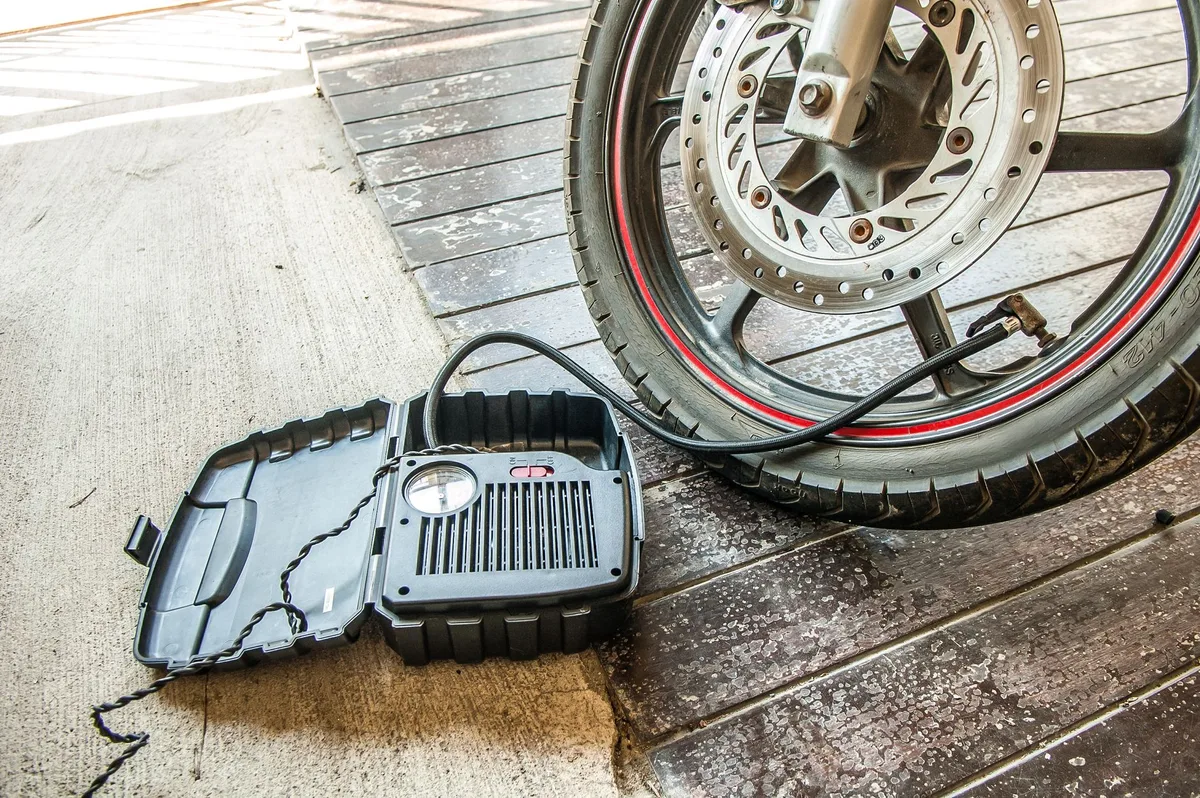
Getting your air compressor going generally involves connecting power, performing quick safety checks, opening the drain valve for a moment, and then flicking the main power switch. After it builds pressure, you'll adjust the regulator to your desired PSI. It sounds simple, but missing a step can lead to safety risks or operational issues, especially with models manufactured as of 2026 often featuring more sensitive pressure switches.
Always refer to your specific manufacturer's manual for precise instructions, as models differ. This guide covers the common steps that apply to most electric and gas-powered air compressors you'll find in home garages and workshops.
Why Understanding Your Compressor's Controls is Crucial (It's More Than Just a Switch!)
An air compressor is a powerful piece of equipment, and knowing its controls isn't just about making it work, it's about operating it safely. The air pressure inside the tank can easily reach over 100 PSI, which can be dangerous if not managed properly. We're talking about avoiding potential injuries, protecting your hearing, and preventing damage to the compressor itself.
Improper startup can also lead to frustrating problems like the motor stalling, or the unit failing to build pressure. You might even trip your home's circuit breaker if you don't connect it right. Taking a few moments to understand each component and its function pays dividends in both safety and longevity for your machine.
Essential Components: What You Need to Know Before You Start
Before you even think about plugging in or fueling up, let's get familiar with the key parts of your air compressor. Understanding what each knob, switch, or valve does will make the startup process much clearer and safer. Think of these as your basic control panel.
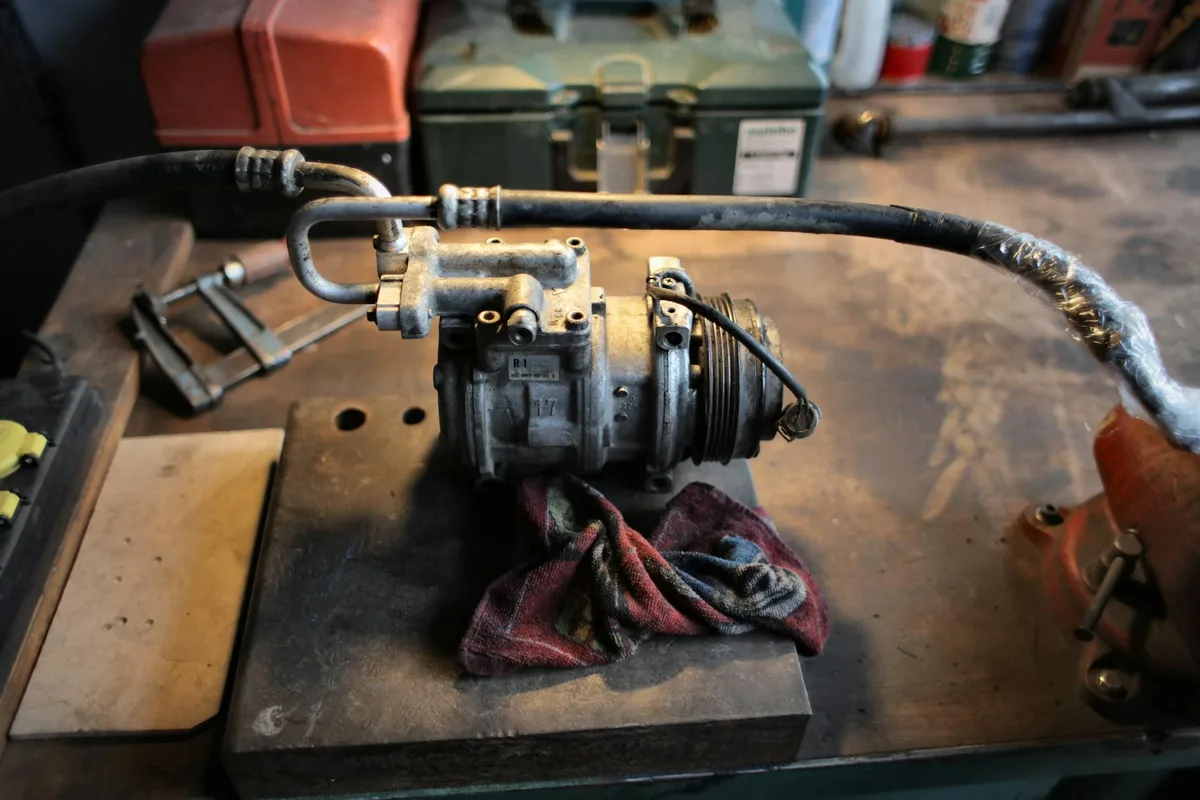
The Main Power Switch
This one's pretty straightforward, right? It's your ON/OFF toggle for the entire unit. For electric compressors, it's often a simple rocker switch. Gas models will have an ignition switch, sometimes combined with a choke and fuel valve.
Always make sure this is in the "OFF" position before you plug anything in or add fuel.
Pressure Gauge and Regulator
The pressure gauge shows you the current air pressure inside the tank. It's a critical safety indicator, letting you know when the tank is full or if there's a problem. The pressure regulator, on the other hand, is what you use to control the output pressure for your tools. You'll set this to the specific PSI required by the tool you're using, not the tank's full pressure.
Safety Valve and Drain Valve
These two valves are absolute must-knows for safety and maintenance. The safety valve, also called a pressure relief valve, is an emergency release. If the pressure in the tank ever gets too high, this valve automatically pops open to prevent an explosion. You should never tamper with it.
The drain valve, typically located at the bottom of the tank, lets you release condensed moisture from the tank, which is super important for preventing rust and ensuring clean air.
Air Tank and Connections
The air tank, or receiver tank, stores the compressed air. Its size (measured in gallons or liters) determines how much air you have available before the compressor kicks on again. You'll also notice various ports for connecting your air hose, usually with quick-connect couplers. These couplers make it easy to attach and detach hoses and tools without needing wrenches.
Before You Flip the Switch: Vital Pre-Start Checks
Now that we know the parts, let's get into the crucial steps you need to take before powering anything up. Skipping these checks is a common mistake and can lead to everything from minor frustrations to serious safety hazards. Think of this as your pre-flight checklist.
Safety First: Gear Up!
Seriously, this isn't optional. High-pressure air can cause eye injuries, hearing damage, and even skin penetrations if not handled correctly. Always, and I mean always, wear appropriate Personal Protective Equipment (PPE).
- Safety Glasses or Goggles: Non-negotiable. Protect your eyes from flying debris or unexpected air bursts.
- Hearing Protection: Air compressors can be loud, often exceeding 85 decibels, which is the threshold for potential hearing damage over prolonged exposure. Earplugs or earmuffs are essential.
- Work Gloves: Good for protecting your hands during setup and reducing vibration.

Finding the Right Spot: Ventilation and Power
Proper placement is key. Your compressor needs a level, stable surface, and plenty of ventilation. Don't operate it in a small, enclosed space, as motors can overheat and gas models produce exhaust fumes. For electric models, make sure you have a dedicated circuit that can handle the compressor's amperage requirements.
Using an extension cord? It needs to be heavy-duty, rated for outdoor use (even if indoors), and sized correctly for the compressor's voltage and amperage to prevent overheating and voltage drop. For example, a 15-amp, 120V compressor might need a 12-gauge extension cord if it's more than 25 feet long.
Checking Connections and Fluid Levels
Take a quick look around. Are all hoses securely connected? Are there any visible signs of damage to the power cord? If you have an oil-lubricated compressor, check the oil level.
It should be within the specified range on the dipstick or sight glass. For gas-powered units, ensure you have enough fuel and that the engine oil is at the correct level. Also, make sure the drain valve on the bottom of the tank is closed tightly; otherwise, your compressor won't build pressure.
Step-by-Step: How to Safely Turn On Your Electric Air Compressor
Alright, checks done, safety gear on. Now let's power this thing up! This sequence applies to most electric portable and stationary air compressors.
1. Position and Plug In
Place your compressor on a flat, stable surface in a well-ventilated area. Next, plug the power cord directly into a grounded electrical outlet. Avoid using thin, household extension cords; as discussed, use a heavy-duty, properly rated cord if one is absolutely necessary. Some compressors require a 20-amp dedicated circuit, so check your manual to be sure you don't overload your electrical system.
2. Open the Drain Valve (Briefly)
Before starting, briefly open the drain valve (usually a petcock or ball valve at the bottom of the tank) for a few seconds. This releases any residual pressure or moisture and ensures the compressor starts "empty," which can reduce motor strain on startup. Close it tightly afterwards. This might seem odd, but it helps the compressor get going, especially after it's been sitting.
3. Locate and Engage the Power Switch
Now for the main event! Find the compressor's main power switch, usually a red or black rocker switch clearly marked ON/OFF. Flip it to the "ON" position. The motor should kick on, and you'll hear it begin to compress air, filling the tank.
The pressure gauge will start to rise. Let the compressor run until it reaches its maximum pressure and the motor automatically shuts off. This typically happens between 120-150 PSI, depending on the model.
4. Monitor Pressure and Set Regulator
Once the compressor has filled the tank and shut off, check the tank pressure gauge to confirm it's at its maximum. Now, adjust the pressure regulator knob (often red or black, with a smaller gauge) to the desired working pressure for your tool. For instance, if your nail gun needs 90 PSI, set the regulator to 90 PSI. You'll see the output gauge reflect this setting.
Don't worry, the tank pressure remains at max, you're just controlling what comes out to your tools.
5. Connect Your Air Hose and Tool
Finally, connect your air hose to the quick-connect coupler on the compressor. Then, attach your pneumatic tool to the other end of the hose. Do this after setting the regulator to prevent a sudden burst of high-pressure air through your tool, which can be dangerous or damaging. Give the tool a quick test fire into a safe area to ensure everything is working correctly and the pressure is right.
Starting a Gas-Powered Air Compressor: What's Different?
If you're running a gas-powered air compressor, the startup process has a few key differences from electric models. These units are great for job sites or areas without readily available electricity, but they require a bit more attention to fuel and engine components. It's essentially like starting a small engine, similar to a lawnmower or generator.
Fuel, Oil, and Choke Checks
First things first, make sure you have enough fresh gasoline in the fuel tank. Check the engine oil level with the dipstick, just like you would on a car, adding more if needed. Most gas compressors will also have a choke lever. If the engine is cold, you'll typically set the choke to the "closed" or "start" position to enrich the fuel mixture for easier starting.
Once it warms up, you'll move it to "open."
Pulling the Starter Cord
With the fuel and oil checked and the choke set, turn the engine's main power switch to "ON." You might also have a separate fuel valve to open. Then, grab the starter cord firmly and give it a quick, strong pull. It may take a few pulls, especially if the compressor hasn't been used recently. Once the engine fires up and runs smoothly, gradually move the choke to the "open" position.
The compressor will then begin to build air pressure in the tank.
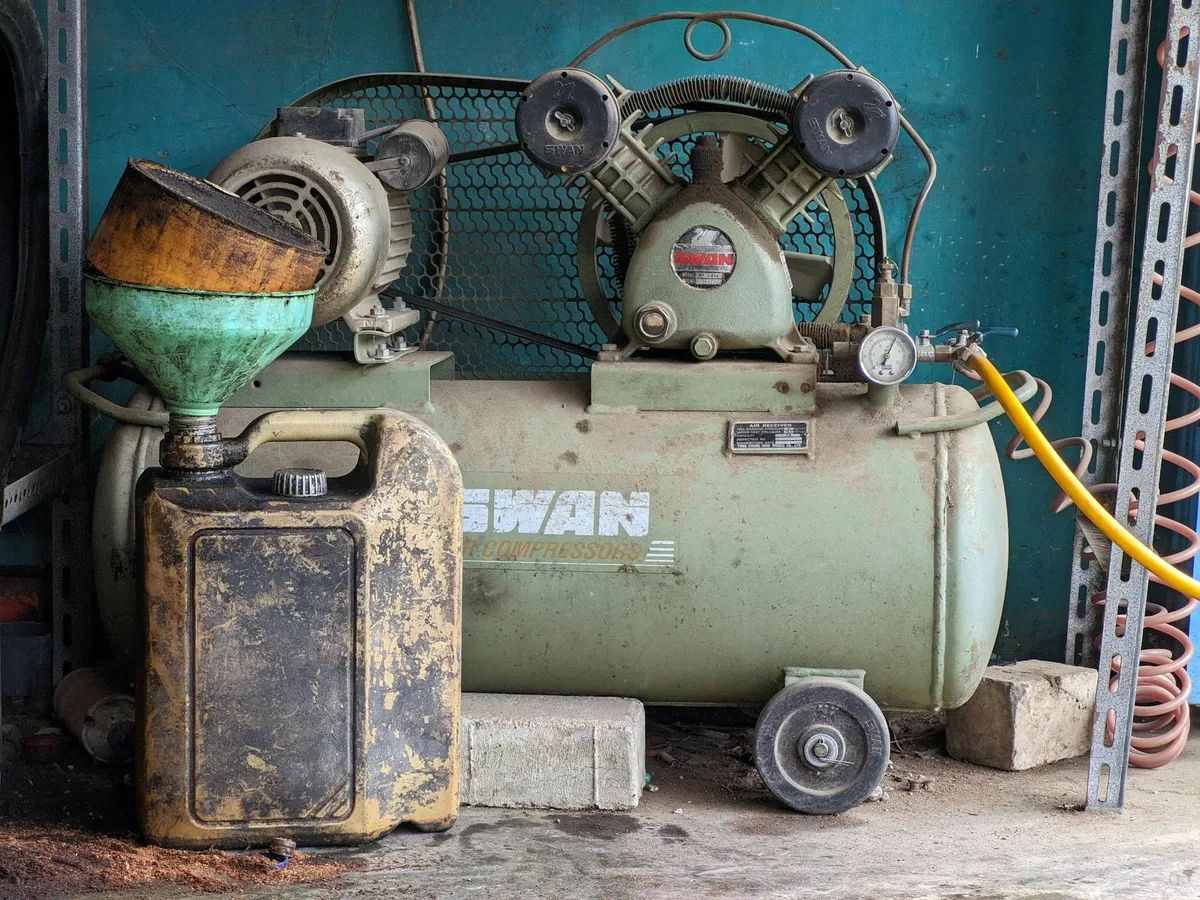
Common Reasons Your Air Compressor Won't Start (And What to Do)
It's frustrating when you're ready to work, and your compressor just sits there. If your air compressor isn't starting, there are a few usual suspects. Troubleshooting often involves systematically checking power, safety features, and mechanical components. Don't panic; most issues are relatively simple fixes.
No Power, Tripped Breakers, or GFCI Issues
This is the most common problem. For electric models, first, check if the compressor is properly plugged in. Next, look at your circuit breaker panel. Air compressors draw a lot of current on startup, so it's easy to trip a breaker, especially if other appliances are on the same circuit.
Reset any tripped breakers. If you're using a Ground Fault Circuit Interrupter (GFCI) outlet, make sure it hasn't tripped either. Gas models, of course, need fuel and a properly functioning spark plug.
Motor Overload Protection
Many electric compressors have a thermal overload protector. If the motor gets too hot, this little button (often red or black) will pop out to protect the motor from damage. Give the compressor about 10-15 minutes to cool down, then push the button back in firmly. If it keeps tripping, you might be using too small an extension cord, or the motor might be struggling, indicating a deeper issue.
Pressure Switch Problems
The pressure switch is what tells the compressor to turn on when pressure drops and turn off when the tank is full. If this switch is faulty or stuck, the compressor won't cycle correctly. Sometimes, manually wiggling the switch or checking its wiring can help. If your tank already has pressure but the motor won't start when you flip the switch, a stuck pressure switch could be the culprit.
Expert Tips for Optimal Compressor Use
Beyond just getting it to start, a few pro tips can make your air compressor experience much better, extending its life and improving your workflow. These are the habits seasoned users swear by.
Don't Skip the Drain!
Regularly draining the condensate from the air tank is probably the most important maintenance step you can take. Compressed air contains moisture, which collects as water in the tank. If left there, it causes rust, contaminates your air tools, and reduces tank capacity. We recommend draining it after every use, or at least weekly, depending on humidity and how often you use it.
You'll be amazed how much water comes out.
Regulate Your Pressure Wisely
Always use the lowest effective pressure for the job at hand. Running tools at excessively high pressure not only wastes air but can also damage your tools and the workpiece. Check the PSI requirements for your specific pneumatic tool and set the regulator accordingly. This conserves energy, reduces wear on your compressor, and gives you better results.
For instance, most nail guns operate optimally around 90 PSI, while paint sprayers might need less, perhaps 30-50 PSI.
Listen to Your Machine
Your air compressor will tell you a lot if you listen. Unusual noises, like grinding, knocking, or excessive vibration, can indicate a problem. A motor straining to start, for example, might signal a low voltage issue or a clogged air filter. Getting familiar with the normal sounds of your compressor allows you to catch potential issues early, before they turn into expensive repairs.
Safety First: Essential Warnings When Operating an Air Compressor
Air compressors are incredibly useful tools, but they demand respect. The high pressures, moving parts, and electrical components mean that safety can't be an afterthought. OSHA (Occupational Safety and Health Administration) and manufacturer guidelines exist for a reason. Always prioritize safety to prevent accidents.
High Pressure Hazards
The primary danger is the pressurized air itself. Never point an air nozzle at yourself or another person. Air can enter the bloodstream through the skin, causing a serious medical emergency called an air embolism. The force of air can also dislodge debris, causing eye injuries, which is why safety glasses are mandatory.
Always be mindful of the air hose too; a sudden rupture or disconnection can cause it to whip violently.
Noise and Hearing Protection
As mentioned earlier, air compressors are loud. Prolonged exposure to noise levels above 85 decibels can cause permanent hearing damage. Manufacturer specifications often list noise levels, and many portable compressors run well above this. Wear hearing protection, like earplugs or earmuffs, every time you operate your compressor, even for short tasks.
Electrical and Fuel Safety
For electric units, always ensure the power cord is in good condition, without frays or cuts. Never operate a compressor in wet conditions or with wet hands, to avoid electrical shock. Make sure the outlet is properly grounded. For gas-powered compressors, always refuel outdoors in a well-ventilated area, away from open flames, and never while the engine is hot.
Gasoline fumes are highly flammable. Store gasoline in approved containers only.
FAQs About Starting and Operating Air Compressors
We get a lot of common questions about air compressors, especially from folks just getting started. Let's tackle some of these to clear up any lingering doubts you might have about daily use and maintenance. Knowing these answers helps you use your compressor more confidently.
Can I leave my compressor plugged in all the time?
You can leave most electric air compressors plugged in, but it's generally not recommended for extended periods when not in use. While modern compressors often have pressure switches that automatically maintain tank pressure, keeping them constantly powered can lead to unnecessary wear and tear, especially if there's a slow air leak in the system causing it to cycle on and off frequently. For safety and energy conservation, unplug it when you're done for the day or week.
How do I know if my tank is full?
You'll know your air tank is full when the pressure gauge reaches its maximum reading, and the compressor motor automatically shuts off. Most consumer-grade compressors shut off around 120-150 PSI. The compressor won't overfill, as the pressure switch is designed to cut power at a predetermined limit. If it doesn't shut off, or the safety valve pops, immediately turn it off and investigate for a faulty pressure switch or safety valve.
Why does my compressor keep turning on and off?
Your compressor repeatedly turning on and off, often called "short cycling," usually indicates an air leak or a problem with the pressure switch. Check all your connections, hoses, and the drain valve for any hissing sounds indicating a leak. Even a small leak can cause the pressure to drop enough for the compressor to kick back on. If there are no leaks, the pressure switch itself might be faulty and needs adjustment or replacement, as it's not holding the pressure correctly.
Powering Down: How to Properly Shut Off Your Air Compressor
Just as important as turning your compressor on correctly is shutting it down the right way. A proper shutdown procedure ensures safety, protects your equipment, and extends its lifespan, especially when it comes to draining moisture. Don't just yank the plug or flip the switch and walk away.
Here’s the straightforward way to power down:
- Turn Off the Main Power Switch: Locate the main ON/OFF switch on your compressor and switch it to the "OFF" position. For gas models, turn off the engine's ignition switch and close the fuel valve.
- Disconnect Air Tools and Hoses: Once the compressor is off, disconnect any pneumatic tools you were using from the air hose. Then, disconnect the air hose from the compressor's quick-connect coupler. This prevents accidental tool activation and allows for depressurization.
- Depressurize the System: Most importantly, release all remaining air pressure from the tank. You do this by slowly opening the pressure regulator valve, or by using a blow gun attached to the hose (pointing it into a safe, clear area). You'll hear the air escaping.
- Open the Drain Valve: With the tank completely depressurized, open the drain valve at the bottom of the tank to release any accumulated moisture. You might see rusty water come out. Leave this valve open until all water has drained, then close it again before storing. This prevents rust inside the tank, which is a major cause of compressor failure.
- Unplug (Electric Models): For electric compressors, once the tank is empty and the drain valve is closed, unplug the power cord from the electrical outlet. This eliminates any chance of accidental startup or electrical hazards during storage.